


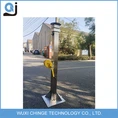


Hey there! I'm super stoked to share with you all the ins and outs of how a telescopic radio tower extends and retracts. I'm in the biz of supplying these awesome telescopic radio towers, and I've seen firsthand how fascinating and useful they are. So, let's dive right in!
The Basics of Telescopic Radio Towers
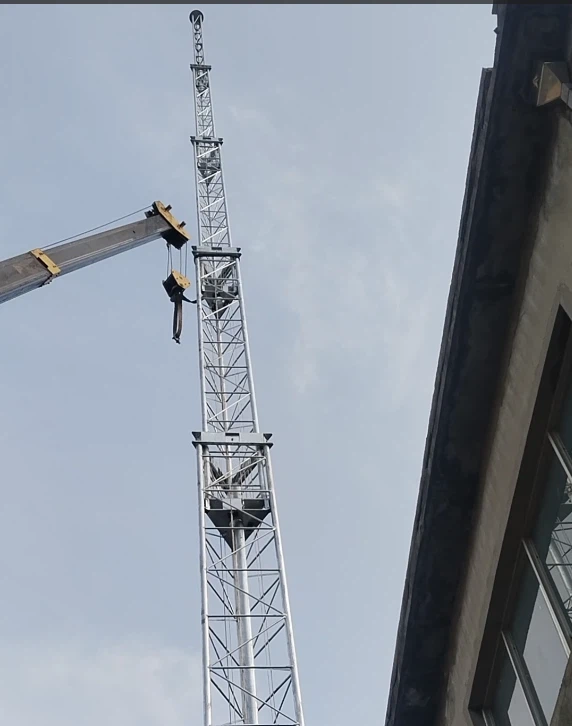
Before we get into the mechanics of how they extend and retract, let's quickly go over what a telescopic radio tower is. A telescopic radio tower is a type of tower that can be adjusted in height. It's made up of multiple sections that fit inside each other like a set of nesting dolls. This design allows the tower to be compact when it's not in use and then extended to reach great heights when needed.
These towers are used in a variety of applications. For example, they're commonly used in the telecommunications industry to set up temporary or permanent communication links. They're also popular among amateur radio operators who need a quick and easy way to get their antennas up in the air. And in some cases, they're used for military and emergency response purposes, where rapid deployment and height adjustment are crucial.
How They Extend
The process of extending a telescopic radio tower is pretty cool. There are a few different methods that can be used, but the most common ones are hydraulic, mechanical, and pneumatic.
Hydraulic Extension
Hydraulic systems are often used in larger telescopic radio towers. The way it works is that there's a hydraulic pump that pushes hydraulic fluid into cylinders. These cylinders are connected to the different sections of the tower. As the fluid is pumped into the cylinders, they expand, pushing the sections of the tower upwards.
One of the advantages of hydraulic systems is that they can generate a lot of force. This means they can easily lift heavy loads and extend the tower to great heights. They're also relatively smooth in operation, which is important for minimizing wear and tear on the tower. However, hydraulic systems can be a bit complex and require regular maintenance to keep them working properly.

Mechanical Extension
Mechanical systems use a combination of gears, pulleys, and chains to extend the tower. There's usually a crank or a motor that turns the gears, which in turn moves the pulleys and chains. These chains are attached to the sections of the tower, and as they move, they pull the sections upwards.
Mechanical systems are generally simpler and more robust than hydraulic systems. They're also easier to maintain, which makes them a popular choice for smaller telescopic radio towers. However, they may not be able to generate as much force as hydraulic systems, so they're typically used for towers that don't need to reach extremely high heights.
Pneumatic Extension
Pneumatic systems use compressed air to extend the tower. There are air cylinders that are connected to the sections of the tower. When the compressed air is released into the cylinders, they expand, pushing the sections upwards.
Pneumatic systems are lightweight and relatively easy to operate. They're also fast, which makes them a good choice for applications where rapid deployment is required. However, they may not be as powerful as hydraulic or mechanical systems, so they're usually used for smaller towers.
How They Retract
Retracting a telescopic radio tower is basically the reverse of the extension process.
Hydraulic Retraction
In a hydraulic system, the hydraulic pump works in reverse. Instead of pushing fluid into the cylinders, it pulls the fluid out. As the fluid is removed from the cylinders, they contract, and the sections of the tower slide back down into each other.
Mechanical Retraction
For mechanical systems, the crank or motor is turned in the opposite direction. This causes the gears, pulleys, and chains to move in the reverse direction, pulling the sections of the tower back down.
Pneumatic Retraction
In a pneumatic system, the compressed air is released from the cylinders, and the sections of the tower are allowed to fall back down under their own weight. Some pneumatic systems may also use a small amount of compressed air to help guide the sections back down smoothly.
Our Offerings
As a telescopic radio tower supplier, we've got a great range of products to meet your needs. Check out our Telescopic Unguyed Tower. It's a fantastic option for those looking for a portable and easy-to-set-up tower. It uses a reliable mechanical extension system, so you know it'll work when you need it.
If you're in the telecommunications industry, our 100ft Cell On Wheels (COW) might be just what you're looking for. This tower is mounted on a vehicle, so it can be quickly deployed to areas where communication is needed. It uses a hydraulic extension system, which allows it to reach an impressive height of 100 feet.
And for all you amateur radio operators out there, we've got the Amateur Radio Tower Crank Up. This tower is designed to be easy to use and adjust. It features a mechanical crank system that allows you to quickly extend and retract the tower to the height you need.
Why Choose Us
We're not just another telescopic radio tower supplier. We're passionate about what we do, and we're committed to providing our customers with the best products and service possible. Our towers are built to last, using high-quality materials and the latest manufacturing techniques. We also offer a range of customization options, so you can get a tower that's tailored to your specific needs.
So, if you're in the market for a telescopic radio tower, whether it's for telecommunications, amateur radio, or any other application, we'd love to hear from you. Don't hesitate to reach out to us if you've got any questions or if you're ready to start the purchasing process. We're here to help you find the perfect tower for your needs.
Conclusion
Well, that's a pretty comprehensive look at how telescopic radio towers extend and retract. It's amazing how these simple yet ingenious designs can provide such a practical solution for getting antennas and other equipment up in the air. Whether you're a professional in the telecommunications industry or an amateur radio enthusiast, a telescopic radio tower can be a valuable addition to your setup.
If you're interested in learning more about our products or if you're ready to start a conversation about purchasing a telescopic radio tower, just drop us a line. We're excited to work with you and help you get the tower you need.
References
- Johnson, R. (2018). Telecommunications Equipment Handbook. Addison-Wesley.
- Smith, T. (2020). Portable Tower Systems: Design and Applications. Wiley.
- Wilson, A. (2019). Understanding Hydraulic, Mechanical, and Pneumatic Systems. McGraw-Hill.