


In the dynamic landscape of industrial operations, communication is the lifeblood that keeps everything running smoothly. As a leading provider of Portable Signal Towers, I've witnessed firsthand the growing demand for reliable, on - the - go communication solutions. This blog aims to explore whether a portable signal tower is a suitable option for industrial use.
1. The Basics of Portable Signal Towers
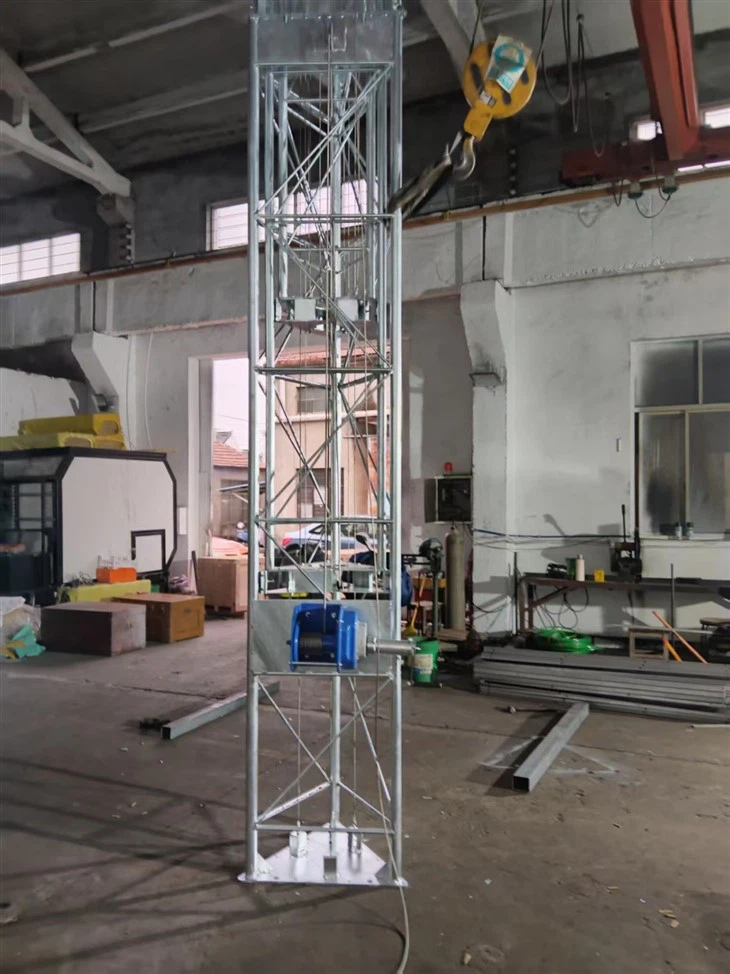
Portable signal towers are designed to offer flexible and scalable communication capabilities. Unlike traditional fixed - based signal towers, which are often large, expensive, and time - consuming to install, portable signal towers can be quickly deployed wherever they are needed. They come in various forms, such as the Retractable Antenna Tower, which allows for easy adjustment of height, and the Portable Cell Tower, which can provide mobile communication support in remote areas.
2. Advantages of Portable Signal Towers for Industrial Use
2.1. Rapid Deployment
In industrial settings, emergencies can occur at any time, and immediate communication is crucial. Portable signal towers can be set up in a matter of hours, compared to weeks or months for fixed towers. For example, in the case of a natural disaster affecting an industrial site, a China Cell On Wheels can be quickly mobilized to restore communication services, ensuring that safety protocols can be followed and operations can be re - established promptly.
2.2. Flexibility
Industries often have changing needs. A construction project may move from one location to another, or an oil and gas exploration team may operate in different remote areas. Portable signal towers can be easily transported and re - installed, providing continuous communication support throughout the project lifecycle. The Amateur Radio Tower Crank Up is a great example, as it can be adjusted to different heights according to the specific communication requirements of the area.
2.3. Cost - Effectiveness
For small and medium - sized industrial enterprises, building a fixed signal tower can be a significant financial burden. Portable signal towers offer a more cost - effective alternative. They require less upfront investment in terms of construction and installation, and their operational costs are also relatively low. Additionally, since they can be reused in different projects, the overall cost per use is reduced.
2.4. Scalability
As an industrial business grows, its communication needs also increase. Portable signal towers can be easily scaled up by adding more units or upgrading the existing equipment. This allows industries to adapt to their changing communication requirements without having to undergo a major infrastructure overhaul.
3. Challenges of Using Portable Signal Towers in Industrial Settings
3.1. Limited Range
Compared to large - scale fixed signal towers, portable signal towers generally have a more limited coverage range. In large industrial complexes or vast remote areas, multiple portable signal towers may be needed to ensure comprehensive coverage, which can increase the initial investment and management complexity.
3.2. Weather Resistance
Industrial operations often take place in harsh environments. Extreme weather conditions such as strong winds, heavy rain, or blizzards can affect the performance and stability of portable signal towers. However, with the advancement of technology, many modern portable signal towers, like the Light Weight Harm Radio Tower, are designed to be more weather - resistant and durable.
3.3. Power Supply
Portable signal towers require a reliable power source to operate. In remote industrial locations, ensuring a continuous power supply can be a challenge. Battery - powered options are available, but they have limited operating times and may need frequent recharging. Solar - powered solutions are becoming more popular, but they also depend on sunlight availability.
4. Mitigating the Challenges
4.1. Strategic Placement
To overcome the limited range issue, industries can conduct a detailed site survey to determine the optimal placement of portable signal towers. By installing multiple towers in a strategic grid pattern, they can achieve better coverage and minimize communication blind spots.
4.2. Advanced Design
Manufacturers are continuously improving the design of portable signal towers to enhance their weather resistance. This includes using stronger materials, better structural designs, and advanced coatings to protect against corrosion and weather damage.
4.3. Hybrid Power Solutions
Combining different power sources can provide a more reliable power supply for portable signal towers. For example, using a combination of solar power, battery backup, and diesel generators can ensure that the towers operate continuously in various environmental conditions.
5. Industries that Can Benefit from Portable Signal Towers
5.1. Construction
Construction sites are often temporary and located in remote areas. Portable signal towers can provide communication support for workers, supervisors, and equipment, ensuring safety and efficient project management.
5.2. Mining
Mining operations are usually carried out in remote and harsh environments. Portable signal towers can help in maintaining communication between different mining sites, control centers, and emergency response teams.

5.3. Oil and Gas
In the oil and gas industry, exploration and production activities often take place in offshore locations or remote on - shore areas. Portable signal towers can enable real - time communication for safety monitoring, equipment control, and crew coordination.
6. Conclusion
In conclusion, portable signal towers offer a viable and practical solution for many industrial communication needs. While they do face some challenges, the advantages of rapid deployment, flexibility, cost - effectiveness, and scalability make them a suitable choice for a wide range of industries.
If you are an industrial enterprise looking for a reliable communication solution, I encourage you to explore our range of portable signal towers. We have a team of experts who can help you assess your specific needs and recommend the most suitable product. Don't hesitate to contact us for more information and to start a discussion about your procurement requirements.