


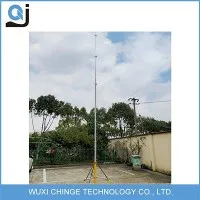
Hey there! As a supplier of Telescopic Unguyed Towers, I've seen firsthand how these structures play a crucial role in various industries, from telecommunications to emergency response. But like any piece of equipment, they don't last forever. In this blog post, I'm gonna walk you through the signs that your telescopic unguyed tower might need to be replaced.
1. Visible Structural Damage
One of the most obvious signs that a tower needs replacing is visible structural damage. This can include cracks, rust, or dents in the tower's components. Cracks are particularly concerning because they can weaken the tower's integrity and make it more susceptible to collapse. Rust, on the other hand, can eat away at the metal over time, reducing its strength and durability.
If you notice any cracks or large areas of rust on your tower, it's a good idea to have it inspected by a professional. They can assess the extent of the damage and determine whether the tower can be repaired or if it needs to be replaced. For example, if the cracks are in a critical area of the tower, such as the base or the joints, replacement might be the safest option.
2. Excessive Movement or Swaying
Towers are designed to withstand certain amounts of wind and other environmental forces, but they shouldn't move or sway excessively. If you notice that your tower is moving more than usual, especially during normal weather conditions, it could be a sign of a problem.
Excessive movement can be caused by a variety of factors, including foundation issues, structural damage, or improper installation. If the tower's foundation has settled or shifted, it can cause the tower to become unstable. Similarly, if there's damage to the tower's structure, it might not be able to support its own weight and the equipment it's carrying, leading to increased movement.
If you experience excessive movement in your tower, don't ignore it. Contact a professional to evaluate the situation. They can determine the cause of the movement and recommend the appropriate course of action, which might involve replacing the tower.
3. Inability to Extend or Retract Properly
As the name suggests, telescopic unguyed towers are designed to extend and retract. If your tower is having trouble extending to its full height or retracting properly, it's a red flag. This could be due to mechanical issues, such as problems with the hydraulic system or the pulley mechanism.
Over time, the components that allow the tower to extend and retract can wear out or become damaged. If the hydraulic fluid is leaking or the pulleys are jammed, the tower won't function as it should. You might also notice strange noises or vibrations when trying to extend or retract the tower, which are further signs of a problem.
If your tower is having issues with extension or retraction, it's best to get it checked out. If the problem can't be fixed through minor repairs, replacing the tower might be the most practical solution.
4. Frequent Equipment Failures on the Tower
The equipment mounted on your telescopic unguyed tower, such as antennas and transmitters, relies on a stable and well - functioning tower. If you're experiencing frequent equipment failures, it could be because the tower isn't providing a stable platform.
For example, excessive movement or vibrations in the tower can cause the equipment to loosen or become misaligned. This can lead to signal issues, reduced performance, and eventually, equipment breakdowns. If you've tried to troubleshoot the equipment itself but keep running into problems, it's worth considering whether the tower is the root cause.
If your equipment is constantly failing and you suspect the tower is to blame, it might be time to replace the tower. A new tower can provide a more stable base for your equipment, reducing the risk of future failures.
5. Outdated Technology and Performance
Technology is always evolving, and what was state - of - the - art a few years ago might be obsolete today. If your telescopic unguyed tower is using outdated technology, it might not be able to meet your current needs.
For instance, if you need to support higher - frequency signals or more advanced equipment, an older tower might not have the capacity or the performance capabilities. Newer towers often come with improved features, such as better wind resistance, higher load - bearing capacity, and more efficient extension and retraction mechanisms.
If you find that your tower is struggling to keep up with your requirements or if new technology offers significant benefits, it could be a sign that it's time for an upgrade. Check out the Telescopic Radio Tower on our website, which features the latest technology and can provide better performance for your applications.
6. Cost of Repairs
Sometimes, the cost of repairing a tower can be a major factor in deciding whether to replace it. If you've had to make multiple repairs to your tower over a short period of time, and the costs are adding up, it might be more cost - effective to invest in a new tower.
Repairs can include fixing structural damage, replacing worn - out components, or addressing mechanical issues. While minor repairs are often a reasonable option, if the tower is constantly in need of major repairs, it could be a sign that it's reaching the end of its useful life.
Before making a decision, get a detailed estimate of the repair costs and compare it to the cost of a new tower. You might find that in the long run, replacing the tower is the more economical choice.
7. Changes in Regulations
Regulations regarding tower safety and performance can change over time. If your tower no longer meets the current regulatory requirements, you might be required to replace it.
For example, new regulations might require higher wind - resistance standards or more stringent safety features. If your tower doesn't comply with these new rules, it could pose a risk to people and property. In addition, non - compliance can result in fines and legal issues.
Stay informed about any changes in regulations that apply to your tower. If your tower is found to be non - compliant, work with a professional to determine the best course of action, which might involve replacement.
Conclusion
So, there you have it - the signs that a telescopic unguyed tower needs to be replaced. If you notice any of these issues with your tower, it's important to take action quickly to ensure the safety and performance of your operations.
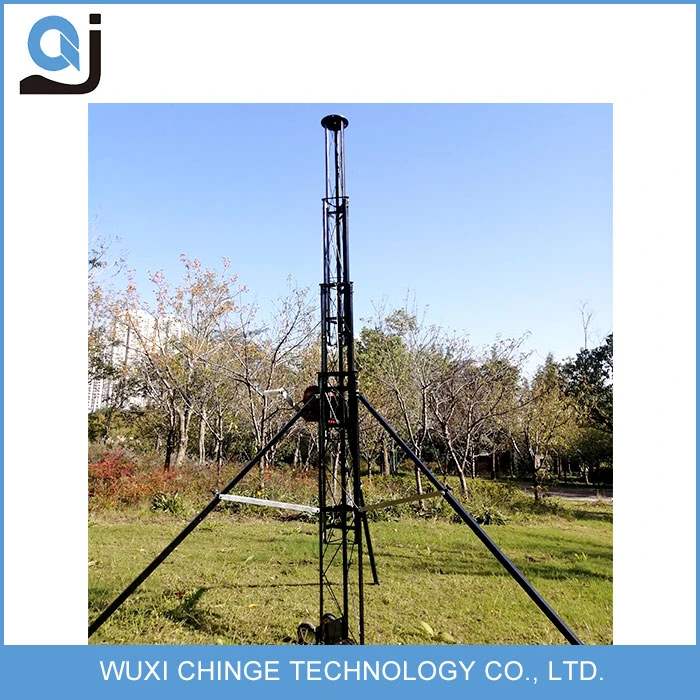

If you're in the market for a new telescopic unguyed tower, we've got you covered. We offer a wide range of high - quality towers, including Mobile Tower Trailer, 100ft Cell On Wheels (COW), Retractable Antenna Tower, and Self - Supporting Antenna Tower.
If you have any questions or want to discuss your specific needs, don't hesitate to reach out. We're here to help you find the perfect tower for your application.