


What is the lifespan of a manual telescopic mast? That's a question I get a lot, being a supplier of these handy devices. So, I thought I'd dive into it and give you the lowdown.
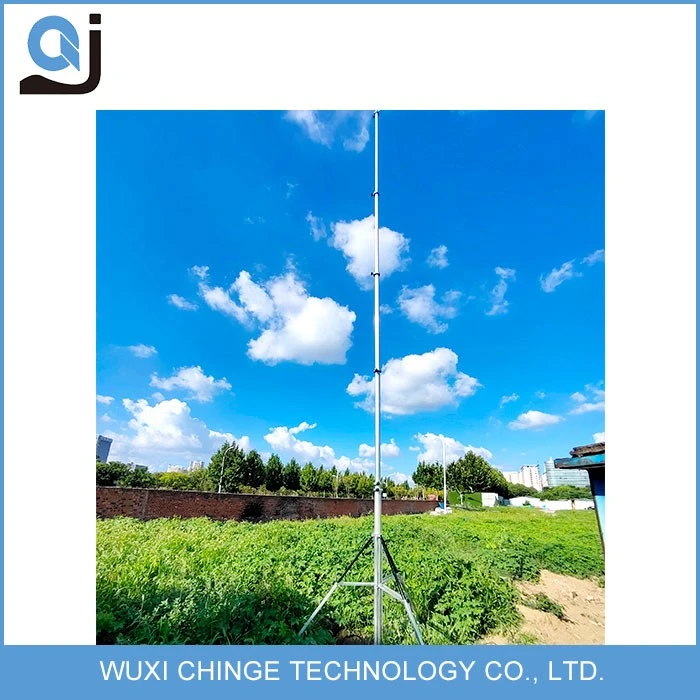

First off, let's talk about what a manual telescopic mast is. It's basically a mast that can be extended and retracted manually. You don't need any fancy machinery or power sources to operate it. These masts come in all shapes and sizes, and they're used for a wide range of applications, from mounting antennas to CCTV cameras.
Now, when it comes to the lifespan of a manual telescopic mast, there's no one - size - fits - all answer. It depends on a bunch of factors, such as the quality of materials, how often you use it, and the environment it's in.
Quality of Materials
The materials used to make the mast play a huge role in determining its lifespan. For example, a mast made from high - quality aluminum or stainless steel is likely to last a lot longer than one made from cheaper, less durable materials.
Stainless steel is an excellent choice for a telescopic mast because it's corrosion - resistant. That means it can withstand harsh weather conditions, such as rain, snow, and saltwater. If you're planning to use your mast in a coastal area or a place with a lot of humidity, a Stainless Steel Telescopic Mast is a great option. It can last for decades, even with regular use.
Aluminum is also a popular choice. It's lightweight, which makes it easy to transport and install. And modern aluminum alloys are quite strong and resistant to corrosion. A well - made aluminum manual telescopic mast can last anywhere from 10 to 20 years, depending on how it's used.
Frequency of Use
How often you use your manual telescopic mast affects its lifespan. If you use it every day, it's going to wear out faster than if you only use it occasionally. Every time you extend and retract the mast, there's friction between the different sections. Over time, this friction can cause the surfaces to wear down.
For heavy - duty applications where the mast is extended and retracted multiple times a day, you might need to replace it every 5 to 10 years. On the other hand, if it's just used for a few special occasions each year, it could last 20 years or more.
Environmental Conditions
The environment in which the mast is used and stored is crucial. If it's exposed to extreme temperatures, high winds, or heavy rain on a regular basis, it will take a toll on the mast.
In a hot and dry climate, the materials can become brittle over time. In cold climates, the expansion and contraction due to temperature changes can cause stress on the mast's joints. And if there's a lot of dust or sand in the air, it can get into the moving parts of the mast and cause abrasion.
For example, if you're using a mast for a Push Up Antenna Mast in a desert area, you'll need to be extra careful about keeping it clean and well - lubricated. Otherwise, the sand particles can quickly damage the internal mechanisms.
Maintenance
Proper maintenance can significantly extend the lifespan of a manual telescopic mast. Regular cleaning is essential. You should remove any dirt, debris, or rust that might have accumulated on the mast's surface. A simple wipe - down with a clean cloth and some mild detergent can do the trick.
Lubrication is also important. The moving parts of the mast, such as the joints and the telescoping sections, need to be lubricated regularly to reduce friction. You can use a silicone - based lubricant or a light machine oil. Just make sure to apply it evenly and wipe off any excess.
Inspection is another key part of maintenance. You should regularly check the mast for any signs of damage, such as cracks, dents, or loose parts. If you notice any problems, it's important to address them right away. A small issue can quickly turn into a big one if left untreated.
Different Types of Manual Telescopic Masts and Their Lifespans
There are several types of manual telescopic masts, each with its own characteristics and potential lifespan.
Push Up Antenna Mast
A Push Up Antenna Mast is relatively simple in design. It's usually extended by hand, pushing each section up one by one. These masts are often used for temporary antenna installations. With proper maintenance, a push - up antenna mast can last 10 to 15 years.
Winch Up Mast
A Winch Up Mast uses a winch mechanism to extend and retract the mast. This type of mast is more complex than a push - up mast, but it can handle heavier loads. If maintained well, a winch up mast can have a lifespan of 15 to 20 years.
Telescopic CCTV Mast
Telecopic CCTV Mast are used for mounting security cameras. They need to be stable and durable. Depending on the quality of materials and usage, these masts can last anywhere from 15 to 25 years.
Crank Up Mast
A Crank Up Mast is operated by turning a crank. It offers a good balance between simplicity and load - handling capacity. With regular maintenance, a crank up mast can last around 12 to 18 years.
Wrapping Up
So, as you can see, the lifespan of a manual telescopic mast can vary widely, but with high - quality materials, proper maintenance, and careful use, you can expect it to serve you well for many years.
If you're in the market for a manual telescopic mast, whether it's a Push Up Antenna Mast, Winch Up Mast, Telescopic CCTV Mast, Stainless Steel Telescopic Mast, or Crank Up Mast, I'd be more than happy to chat with you and help you find the right one for your needs. Just reach out, and we can start discussing the best options for your specific situation.