


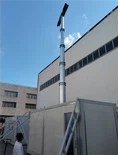

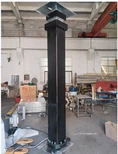
Telescopic masts have become essential in modern mobile communication systems, offering rapid deployment, flexibility, and enhanced signal coverage. From portable communication towers and extendable masts to deployable antenna masts, understanding their structure and performance characteristics is crucial for maximizing efficiency and safety. This guide provides an overview of key aspects of telescopic mast structures and performance for industrial, emergency, and field applications.
1. Understanding Telescopic Mast Structures
A telescopic mast is a modular, extendable structure that can rise to significant heights while remaining compact during transport. Key structural elements include:
Sections or Tubes: Masts are made up of nested tubular sections, usually crafted from high-strength aluminum or steel, which slide out to reach the desired height.
Base and Stabilizers: A sturdy base, sometimes with integrated stabilizing legs or weighted supports, ensures the mast remains upright and safe.
Locking Mechanisms: Each section features mechanical or hydraulic locks to secure the extended height, preventing collapse.
Mounting Points: Platforms, antennas, lights, or sensors can be mounted at the top depending on operational needs.
These design elements collectively contribute to the mast's stability, load capacity, and ease of deployment, making it suitable for diverse applications such as temporary communication towers, emergency networks, and industrial field operations.
2. Performance Factors to Consider
When evaluating telescopic mast performance, several factors determine its reliability and effectiveness:
Height and Reach: Telescopic masts vary in maximum height, from a few meters to over 30 meters. The appropriate height ensures optimal mobile network infrastructure coverage.
Load Capacity: Performance depends on the weight of antennas, lighting systems, or equipment mounted on the mast. Selecting a mast with adequate load tolerance is critical for safety.
Deployment Mechanism: Masts can be manually extended, mechanically assisted, or hydraulic-powered. Rapid deployment masts save time and reduce labor costs in field operations.
Stability and Wind Resistance: The mast's ability to remain stable under wind and environmental conditions impacts performance. Guy wires, weighted bases, and high-quality materials enhance resilience.
Durability and Corrosion Resistance: Outdoor use requires masts to resist rust, UV damage, and moisture. Aluminum and galvanized steel are common choices for long-lasting performance.
3. Advantages of Modern Telescopic Masts
Modern extendable masts and deployable antenna masts offer multiple advantages for field and mobile communication needs:
Portability: Compact design allows easy transport and storage.
Rapid Deployment: Quick assembly reduces setup time for emergency response or temporary projects.
Versatility: Supports antennas, cameras, lighting systems, and sensors for multi-purpose use.
Safety: Advanced locking mechanisms and stabilizers protect personnel and equipment during deployment.
Cost Efficiency: Reusable and modular design lowers long-term investment compared to permanent towers.
These benefits make telescopic masts ideal for telecom providers, construction sites, industrial operations, and event management.
4. Applications in Modern Field Operations
Telescopic masts are used across a wide range of industries:
Mobile Network Expansion: Enhances signal coverage in temporary or remote locations.
Emergency Communication: Rapidly deployable masts support first responders in disaster zones.
Industrial Maintenance: Provides elevated platforms for inspection, monitoring, or sensor placement.
Event and Temporary Installations: Portable towers ensure connectivity and lighting for concerts, festivals, and large gatherings.
By adapting mast structure and performance to specific operational needs, organizations can improve both efficiency and safety on-site.
A solid understanding of telescopic mast structures and performance is key to selecting the right equipment for portable communication towers and rapid deployment masts. High-quality masts offer stability, flexibility, and versatility for diverse field operations, from emergency response to mobile network infrastructure and industrial applications. Investing in reliable, well-designed extendable masts ensures safe, efficient, and effective communication wherever it is needed.
For durable, high-performance telescopic masts and portable communication solutions, contact Wuxi Qinge Technology Co., Ltd. We provide expert-designed deployable masts and temporary communication towers tailored to your operational needs.