


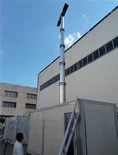

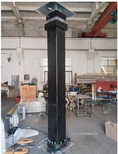
Selecting the ideal Portable Tower requires balancing three key factors-height, load capacity, and mobility-to match the unique demands of remote construction and mining sites.
Prioritize Appropriate Height
Height directly impacts signal range. For large, open mining sites or sprawling construction areas, a taller Portable Tower ensures broader coverage, avoiding dead zones across vast terrain. In confined sites with nearby obstacles like cranes or mine structures, a shorter tower suffices to prevent signal blockage while maintaining stability. Choosing the right height ensures consistent connectivity without unnecessary bulk.
Assess Load Capacity Needs
Load capacity refers to the tower's ability to support equipment like antennas, sensors, or cameras. Mining sites may require additional IoT sensors for asset tracking, while construction sites might need heavier communication gear. A Portable Tower with sufficient load capacity prevents equipment damage or tower instability, ensuring all essential tools operate reliably. Overlooking this can lead to costly downtime or safety risks.
Evaluate Mobility Features
Remote sites often require repositioning the tower as projects advance. A Portable Tower with robust mobility-such as wheeled bases or compatibility with site vehicles-eases transport across rough terrain, from uneven mining roads to construction dirt paths. For fixed-site phases, a more stable, less mobile design works, but flexibility remains key to adapting to shifting work zones. Matching mobility to site needs ensures the tower adds value throughout the project lifecycle.
If you would like to learn more about Portable Towers, please contact Wuxi Chinge Technology. Our expert team will provide detailed answers and personalized service.