


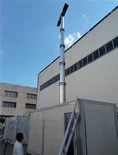

Choosing between renting and buying a Cell on Wheels depends on cost trade-offs tied to usage duration, flexibility, and long-term needs.
Upfront Investment
Renting a Cell on Wheels requires minimal upfront cost-users pay only recurring rental fees, avoiding large initial outlays for purchasing equipment. Buying, by contrast, demands significant upfront investment to acquire the Cell on Wheels and related components, which can strain budgets for short-term use.
Long-Term Expenses
For extended or frequent use, buying a Cell on Wheels becomes more cost-effective over time. Rental costs accumulate, eventually exceeding the purchase price. Renting is cheaper for short-term needs, as it avoids ongoing costs such as storage or depreciation.
Flexibility and Adaptation
Renting offers flexibility to upgrade to newer Cell on Wheels models as technology advances, without being tied to outdated equipment. Buying limits this flexibility-users must bear the cost of upgrading or modifying their owned unit to meet evolving network standards, adding unexpected expenses.
Maintenance and Liability
Rental agreements typically include maintenance, repair, and insurance for the Cell on Wheels, shifting these costs to the provider. Buying places full responsibility for maintenance, repairs, and insurance on the owner, adding recurring expenses that renting avoids.
If you would like to learn more about Cell on Wheels, please contact Wuxi Chinge Technology. Our expert team will provide detailed answers and personalized service.