




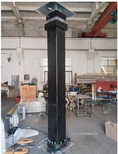
As 5G evolves and next-gen communication technologies emerge, Cell on Wheels will undergo key innovations to meet more demanding connectivity needs, expanding its role in dynamic scenarios.
Enhanced 5G-Advanced Compatibility
Future Cell on Wheels will support 5G-Advanced features like higher data speeds and lower latency. It will integrate advanced antenna technologies to boost signal precision, enabling reliable connections for applications like remote surgery or autonomous vehicle testing in temporary setups. This ensures it keeps pace with 5G's evolution, bridging gaps in advanced network coverage.
Integration with Smart Technologies
Cell on Wheels will merge with IoT and AI tools. AI-driven signal optimization will let it adjust bandwidth in real time based on user density, while IoT sensors will monitor its performance remotely-predicting maintenance needs to reduce downtime. This smart integration will make it more efficient, requiring less manual intervention for operations.
Focus on Sustainability
Upcoming Cell on Wheels designs will prioritize eco-friendliness. They will use renewable power sources like solar panels or hydrogen generators, reducing reliance on fossil fuels. Lightweight, recyclable materials will cut carbon footprints during production and transport, aligning with global sustainability goals while maintaining its mobility and functionality.
If you would like to learn more about Cell on Wheels, please contact Wuxi Chinge Technology. Our team will be happy to assist you.