


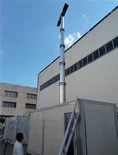

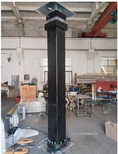
Telescopic Mast design and engineering are evolving to meet growing demands for efficiency, durability, and adaptability, with key trends focusing on enhancing performance in diverse scenarios like disaster relief and remote operations.
Advanced Material Integration
Future Telescopic Mast will use lighter, stronger composite materials-replacing traditional metals-to boost portability without sacrificing load capacity. These materials will resist corrosion, extreme temperatures, and wear, making the mast more durable in harsh environments like coastal flood zones or desert wildfires, while reducing transport weight for easier deployment to remote crisis sites.
Smart Automation and IoT Connectivity
Engineering will integrate AI and IoT features into Telescopic Mast: sensors will monitor structural health in real time, alerting teams to potential issues like component stress or weather damage. Automated height adjustment will let the mast adapt to signal strength or surveillance needs without manual input, and IoT connectivity will enable remote control-critical for scenarios where on-site access is limited, such as contaminated disaster zones.
Eco-Friendly and Energy-Efficient Designs
Sustainability will drive trends: Telescopic Mast will incorporate solar panels or low-power motors to reduce reliance on external power sources, ideal for long-term emergency response. Retractable sections will be optimized for minimal material waste during manufacturing, and modular components will allow easy repairs or upgrades-extending the mast's lifespan and reducing environmental impact.
If you would like to learn more about telescopic masts, please contact Wuxi Chinge Technology. Our expert team will provide detailed answers and personalized service.