


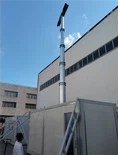

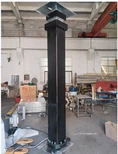
Choosing between lightweight aluminum and steel for Telescopic Mast depends on priorities like portability, durability, and use-case demands-both materials have distinct strengths that align with different needs.
Lightweight Aluminum Telescopic Mast: Pros and Cons
Pros
Aluminum models excel at portability: their low weight makes transport and manual deployment easy, ideal for disaster relief or remote sites where heavy equipment can't reach. They resist corrosion naturally, standing up to rain, humidity, or coastal salt without extra coatings. Their lighter structure also puts less strain on mounting bases, suiting temporary setups.
Cons
Aluminum has lower load capacity than steel, limiting use with heavy gear like large radar systems. It's more prone to denting or bending under impact, so it may not hold up in high-wind or rough-handling scenarios.
Steel Telescopic Mast: Pros and Cons
Pros
Steel offers superior strength and load capacity, supporting heavy equipment for long-term use. It's highly durable-resisting dents, bending, and extreme winds-making it ideal for permanent or high-stress setups like border surveillance or industrial sites. Its rigidity also ensures stable elevation for precision tools.
Cons
Steel is heavy, requiring specialized transport or machinery for deployment, which limits mobility in remote areas. It's prone to rust without anti-corrosion treatments, adding maintenance work in wet or coastal environments.
If you would like to learn more about telescopic masts, please contact Wuxi Chinge Technology. Our team will be happy to assist you.