


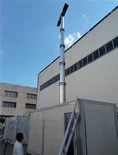

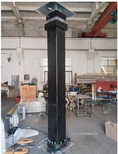
Telescopic Mast is a versatile elevation solution, widely used in communication, surveillance, and emergency fields for its flexibility and efficiency.
How Telescopic Mast Works
Telescopic Mast features nested, cylindrical sections made from lightweight, high-strength materials like aluminum or composite. It relies on mechanical cranks or hydraulic systems to extend: when activated, inner sections slide out from the outer base and lock securely at the desired height. When not in use, sections retract back into a compact unit, reducing overall size for easy transport and storage. It supports equipment like antennas, cameras, or sensors, elevating them to avoid obstacles and improve signal or detection range. The locking mechanism ensures stability in varying weather, while the retractable design keeps it portable for on-site deployment.
Why Telescopic Mast Matters
First, it boosts flexibility: adjustable height lets it adapt to different needs-taller for wide-area coverage, shorter for confined spaces. Second, it enhances portability: compact retracted form fits in standard vehicles, enabling use in remote or hard-to-reach locations. Third, it saves time: quick extension/retraction cuts setup time, critical for emergency response or temporary projects. Finally, it ensures durability: robust materials withstand harsh conditions, making it reliable where fixed infrastructure fails.
If you would like to learn more about telescopic masts, please contact Wuxi Chinge Technology. Our expert team will provide detailed answers and personalized service.