




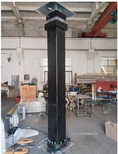
Aluminum and fiberglass push-up masts are both popular choices for various applications, but they have distinct differences in terms of material properties, performance, and suitability. Here's a comparison:
Material Properties:
Aluminum: Lightweight, strong, and corrosion-resistant, aluminum masts are ideal for outdoor use. They offer excellent durability and can withstand harsh weather conditions.
Fiberglass: Non-conductive and lightweight, fiberglass masts are resistant to corrosion and UV damage. They are less prone to bending but can be more brittle than aluminum.
Strength and Load Capacity:
Aluminum: Generally has a higher load capacity and can support heavier equipment, making it suitable for applications like antenna installations.
Fiberglass: While strong, fiberglass masts typically have a lower load capacity compared to aluminum, making them better for lighter loads.
Weight:
Aluminum: Slightly heavier than fiberglass but still easy to handle and transport.
Fiberglass: Extremely lightweight, making it easier to install and maneuver, especially in remote locations.
Conductivity:
Aluminum: Conductive, which can be a disadvantage for certain electrical applications unless properly grounded.
Fiberglass: Non-conductive, making it safer for use near electrical equipment or in environments where conductivity is a concern.
Durability and Maintenance:
Aluminum: Requires regular cleaning and lubrication to prevent corrosion and ensure smooth operation.
Fiberglass: Low maintenance and resistant to rust, but can degrade over time due to UV exposure if not properly treated.
Cost:
Aluminum: Generally more affordable and widely available.
Fiberglass: Often more expensive due to its specialized manufacturing process.
For more aluminum push up mast information, please visit the following website:www.hilyftan.com.