


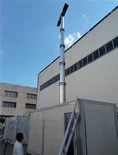

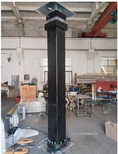
A Cell on Wheels (COW) is a portable telecommunications base station mounted on a wheeled vehicle, designed to deliver temporary wireless coverage. It addresses gaps in connectivity where permanent infrastructure is lacking, damaged, or overwhelmed, serving critical needs in various scenarios.
Core Definition
A Cell on Wheels (COW) functions as a mobile alternative to fixed cell towers, housing essential components like antennas, signal transceivers, and power systems within a truck, trailer, or van. Its mobility lets it be rapidly deployed to locations such as disaster zones, large public events, or remote construction sites, ensuring reliable voice, data, and internet access when permanent towers can't meet demand.
How It Works
First, the Cell on Wheels (COW) is transported to the target area and stabilized to prevent movement. Its antennas are extended-often via hydraulic or manual mechanisms-to capture and transmit signals. It connects to the wider telecom network through fiber optic cables, satellite links, or microwave signals, depending on availability. On-board generators or external power sources supply electricity to keep all systems operational, ensuring continuous connectivity.
Key Functionality
A Cell on Wheels adjusts signal capacity based on user density, avoiding congestion during events with large crowds. In emergencies like storms or earthquakes, it replaces damaged permanent towers, supporting communication for first responders and affected communities. It also aids in infrastructure expansion, providing temporary coverage while new fixed towers are installed.
If you would like to learn more about Cell on Wheels, please contact Wuxi Chinge Technology. Our expert team will provide detailed answers and personalized service.