


Are there any height limitations for a telescopic mobile tower in different regions?
As a supplier of telescopic mobile towers, I've encountered numerous inquiries regarding height limitations across various regions. These limitations are not only crucial for regulatory compliance but also significantly impact the practical applications and market demand for our products.
Understanding the Basics of Telescopic Mobile Towers
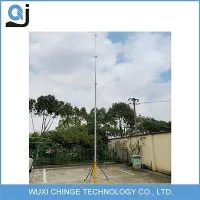
Telescopic mobile towers are engineered to offer flexibility and portability. Their design allows for easy transportation and quick setup, making them ideal for a wide range of uses, such as emergency communication, temporary event coverage, and remote monitoring. The ability to adjust the height of these towers is one of their most significant advantages, as it enables users to optimize signal strength and coverage area according to specific needs.
Regional Variations in Height Limitations
North America
In the United States, the Federal Communications Commission (FCC) plays a central role in regulating the height of communication towers, including telescopic mobile ones. Generally, towers under 200 feet (about 61 meters) may not require extensive environmental and aviation impact studies. However, local zoning laws can impose additional restrictions. For instance, in urban areas, where there are concerns about aesthetics and airspace congestion, height limits may be much lower, sometimes as low as 50 feet (about 15 meters).
In Canada, the Industry Canada (now Innovation, Science and Economic Development Canada) is responsible for telecom regulations. Similar to the US, there are federal guidelines, but provincial and municipal bylaws also come into play. In some rural areas, taller telescopic mobile towers may be permitted to ensure adequate communication coverage, while in populated regions, height restrictions are more stringent.
Europe
The European Union does not have a unified set of height regulations for telescopic mobile towers. Instead, each member state has its own laws. For example, in the United Kingdom, the Civil Aviation Authority (CAA) and local planning authorities have a say in tower height. Towers near airports are subject to strict height limitations to avoid interference with aviation safety. In France, the National Frequency Agency (ANFR) regulates telecom infrastructure, and height limits are often determined based on the location's population density and environmental factors.
Asia
In countries like China, the Ministry of Industry and Information Technology (MIIT) sets the overall framework for telecom tower regulations. Local governments can further refine these rules. In densely populated cities, height restrictions are in place to prevent visual pollution and ensure public safety. In contrast, in remote areas, taller telescopic mobile towers may be allowed to improve connectivity.
In India, the Department of Telecommunications (DoT) is the regulatory body. Height limitations vary depending on whether the tower is in an urban, suburban, or rural area. Additionally, in areas with high seismic activity, height restrictions may be imposed to ensure the structural integrity of the tower during an earthquake.
Factors Influencing Height Limitations
Aviation Safety
One of the primary factors influencing height limitations is aviation safety. Towers located near airports, flight paths, or helipads must adhere to strict height restrictions to prevent collisions with aircraft. These restrictions are typically enforced by aviation authorities, such as the Federal Aviation Administration (FAA) in the United States or the International Civil Aviation Organization (ICAO) on a global scale.

Environmental Concerns
Environmental factors also play a significant role. Taller towers can have an impact on wildlife habitats, especially for birds and bats. In some regions, environmental impact assessments are required before a tower can be installed. If the tower is likely to disrupt a protected ecosystem, height limitations or other mitigation measures may be imposed.
Aesthetics and Community Acceptance
In urban and suburban areas, the visual impact of a telescopic mobile tower is a major concern. Local communities may oppose the installation of tall towers due to their perceived negative effect on the landscape. As a result, height limitations are often set to balance the need for communication infrastructure with community aesthetics.
Our Product Offerings and Height Considerations
As a telescopic mobile tower supplier, we understand the importance of these height limitations. That's why we offer a diverse range of products to meet different regional requirements.
Our Self - Supporting Antenna Tower is designed with flexibility in mind. It can be adjusted to various heights, allowing users to comply with local regulations while still achieving optimal signal coverage. This tower is suitable for a variety of applications, from small - scale events to large - scale emergency response operations.
The Light Weight Harm Radio Tower is another popular option. Its lightweight design makes it easy to transport and install, and it can be adjusted to different heights to meet regional height restrictions. This tower is particularly useful in areas where quick deployment is required, such as disaster - affected regions.
Our Amateur Radio Tower Crank Up is a great choice for amateur radio enthusiasts. It offers a simple and efficient way to adjust the height of the tower, ensuring compliance with local regulations while providing reliable communication capabilities.
Conclusion and Call to Action
In conclusion, height limitations for telescopic mobile towers vary significantly across different regions, influenced by factors such as aviation safety, environmental concerns, and community acceptance. As a supplier, we are committed to providing high - quality products that meet these diverse requirements.
If you are in the market for a telescopic mobile tower and need guidance on choosing the right product for your region, we are here to help. Our team of experts can provide detailed information on height limitations in your area and recommend the most suitable tower for your needs. Contact us today to start the procurement process and ensure that you get the best telescopic mobile tower solution for your project.
References
- Federal Communications Commission (FCC), United States
- Innovation, Science and Economic Development Canada
- Civil Aviation Authority (CAA), United Kingdom
- National Frequency Agency (ANFR), France
- Ministry of Industry and Information Technology (MIIT), China
- Department of Telecommunications (DoT), India
- International Civil Aviation Organization (ICAO)