


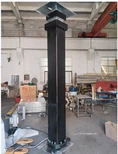


Are there any restrictions on using a telescopic aerial mast?
As a supplier of telescopic aerial masts, I often encounter questions from customers regarding the restrictions on using these versatile structures. Telescopic aerial masts are widely used in various industries, including telecommunications, broadcasting, surveillance, and emergency response. Their ability to extend to significant heights and retract for easy transportation and storage makes them an attractive solution for many applications. However, like any equipment, there are certain restrictions and considerations that users need to be aware of to ensure safe and effective operation.
Regulatory and Legal Restrictions
One of the primary restrictions on using a telescopic aerial mast is compliance with local regulations and laws. Different regions may have specific rules regarding the installation, use, and maintenance of masts, especially those used for broadcasting or telecommunications purposes. For example, in some areas, obtaining a permit is required before erecting a mast, and there may be limitations on the height, location, and type of mast that can be used.
In addition to local regulations, there are also national and international standards that govern the design, construction, and operation of telescopic masts. These standards ensure the safety and reliability of the masts and help to prevent accidents and damage. For instance, the International Electrotechnical Commission (IEC) has developed standards for the electrical safety of masts, while the American National Standards Institute (ANSI) has standards for the structural design and performance of masts.
It is essential for users to familiarize themselves with the relevant regulations and standards in their area and to ensure that their telescopic aerial mast complies with all applicable requirements. Failure to do so can result in fines, legal liability, and even the shutdown of the mast.
Environmental Restrictions
Another important consideration when using a telescopic aerial mast is the environmental conditions in which it will be operated. Masts are typically exposed to the elements, including wind, rain, snow, and extreme temperatures, which can affect their performance and durability.
Wind is one of the most significant environmental factors that can impact the stability of a telescopic mast. High winds can cause the mast to sway or even collapse, especially if it is not properly secured or if it is overloaded. To mitigate the risk of wind damage, masts are often designed with a wind load rating, which indicates the maximum wind speed that the mast can withstand without suffering structural damage.
In addition to wind, other environmental factors such as lightning, corrosion, and seismic activity can also pose a risk to the mast. Lightning protection systems are often installed on masts to prevent damage from lightning strikes, while corrosion-resistant materials are used to protect the mast from rust and other forms of corrosion. Seismic design considerations are also important in areas prone to earthquakes, as masts need to be able to withstand the forces generated by seismic activity.
Technical and Operational Restrictions
There are also several technical and operational restrictions that users need to be aware of when using a telescopic aerial mast. These restrictions are related to the design, installation, and operation of the mast and are intended to ensure its safe and effective use.
One of the primary technical restrictions is the maximum height to which the mast can be extended. Telescopic masts are designed to extend to a specific height, and exceeding this height can cause the mast to become unstable or even collapse. It is important to follow the manufacturer's instructions regarding the maximum height of the mast and to ensure that it is not overextended.
Another technical restriction is the payload capacity of the mast. Telescopic masts are designed to support a certain amount of weight, and exceeding this capacity can cause the mast to bend or break. It is important to carefully consider the weight of the equipment that will be mounted on the mast and to ensure that it does not exceed the mast's payload capacity.
In addition to technical restrictions, there are also operational restrictions that users need to be aware of. For example, masts should only be operated by trained and qualified personnel who are familiar with the equipment and its operation. It is also important to follow the manufacturer's instructions regarding the installation, maintenance, and operation of the mast to ensure its safe and effective use.
Applications and Compatibility
When considering the use of a telescopic aerial mast, it is important to ensure that it is suitable for the intended application. Different types of masts are designed for different purposes, and it is important to choose a mast that is compatible with the equipment that will be mounted on it.

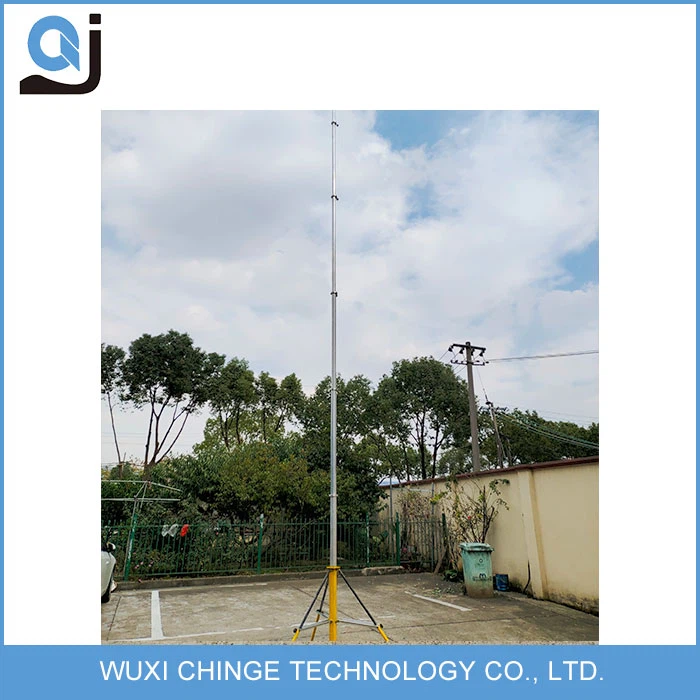
For example, if you are using the mast for telecommunications purposes, you may need a mast that is specifically designed for antenna installation. Telescoping Mast For Antenna is a great option for this type of application, as it is designed to provide a stable and reliable platform for antenna installation.
If you are using the mast for LED screen installation, you may need a mast that is specifically designed for this purpose. The LED Screen Tower Heavy Duty Telescopic Mast Hydraulic Driven 1000kg Payload is a heavy-duty mast that is designed to support the weight of large LED screens and provide a stable platform for their installation.
If you are using the mast for emergency response or surveillance purposes, you may need a mast that is easy to transport and install. The Antenna Push Up Pole is a lightweight and portable mast that is easy to set up and can be used in a variety of applications.
Conclusion
In conclusion, while telescopic aerial masts offer many benefits, there are certain restrictions and considerations that users need to be aware of to ensure their safe and effective use. Regulatory and legal restrictions, environmental factors, technical and operational limitations, and application compatibility are all important factors to consider when using a telescopic aerial mast.
As a supplier of telescopic aerial masts, we are committed to providing our customers with high-quality products and expert advice to help them choose the right mast for their needs. If you have any questions or need further information about our telescopic aerial masts, please do not hesitate to contact us. We look forward to working with you to meet your telescopic mast requirements.