




Hey there! As a supplier of telescopic aerial masts, I often get asked about weight - reduction options. You see, when it comes to telescopic aerial masts, weight can be a real game - changer. Whether it's for ease of transportation, installation, or just to reduce the overall load on a structure, finding ways to cut down on weight is crucial.
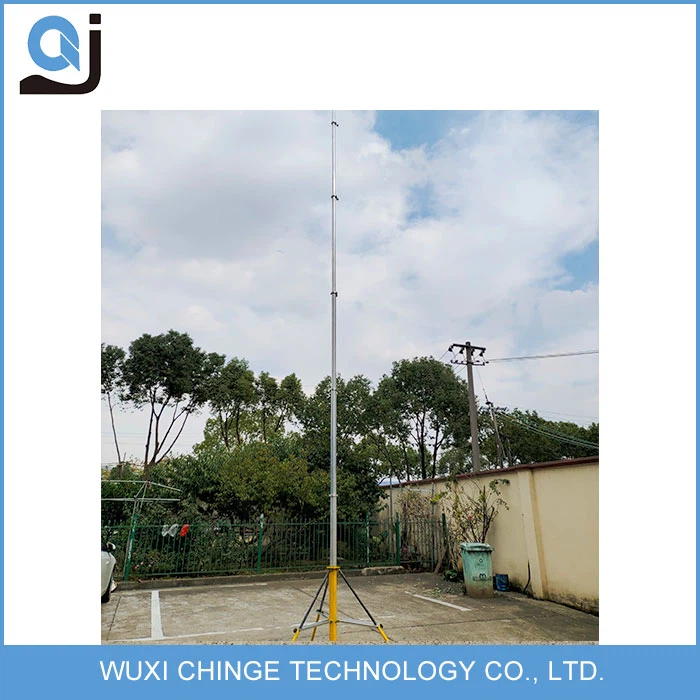
First off, let's talk about the materials. Traditional telescopic masts are often made of steel. Steel is strong and durable, but it's also heavy. That's why a lot of people are looking into alternative materials. One option is aluminum. Aluminum is much lighter than steel, and it still offers a good amount of strength. It's resistant to corrosion, which is a big plus, especially if the mast is going to be used outdoors. For example, if you're using a Telescoping Mast for Antenna in a coastal area where there's a lot of salt in the air, an aluminum mast can withstand the harsh conditions without getting rusty.
Another material that's gaining popularity is carbon fiber. Carbon fiber is incredibly lightweight and has high strength - to - weight ratio. It's used in high - end applications where weight is a critical factor, like in the aerospace industry. For telescopic aerial masts, carbon fiber can significantly reduce the weight while still providing the necessary structural integrity. However, it comes at a higher cost. So, if you're on a tight budget, it might not be the best option for you.
Now, let's look at the design of the mast. One way to reduce weight is by using a more optimized design. For instance, instead of a solid tube, you can use a tube with a hollow design. A hollow tube can have the same strength as a solid tube in many cases but with less material, thus reducing the weight. This is especially effective for Telescoping Radio Antenna Mast. The design can also be streamlined to reduce any unnecessary parts or bulk. For example, some masts have extra brackets or supports that might not be essential. By removing these non - essential components, you can shave off some weight.
In addition to the material and design, the manufacturing process also plays a role in weight reduction. Precision manufacturing techniques can ensure that the mast is made with the exact amount of material needed, without any excess. For example, using computer - controlled machining can help in creating parts with very precise dimensions. This reduces waste and can lead to a lighter mast.
Let's take a closer look at the benefits of weight reduction. First of all, it makes transportation much easier. A lighter mast is easier to move around, whether it's on a truck or by hand. This can save on transportation costs and also reduce the risk of damage during transit. Installation is also a breeze. When the mast is lighter, it's easier to lift and position, which can save time and labor costs.
Moreover, a lighter mast puts less stress on the supporting structure. If you're mounting the mast on a building or a vehicle, a heavy mast can cause excessive wear and tear on the structure over time. By reducing the weight, you can extend the lifespan of the supporting structure and avoid costly repairs.
Now, let's talk about some of the trade - offs. As I mentioned earlier, using alternative materials like carbon fiber can be expensive. And while a lighter mast might be easier to handle, it might not be as strong as a heavier one in some extreme conditions. For example, in high - wind areas, a very lightweight mast might not be able to withstand the strong forces as well as a heavier steel mast. So, you need to balance the weight reduction with the performance requirements.
When it comes to choosing the right weight - reduction option for your telescopic aerial mast, it really depends on your specific needs. If you're in an area with mild weather conditions and you're looking for something easy to transport and install, an aluminum or a well - designed hollow - tube steel mast might be the way to go. If you have a high - end application where weight is a top priority and cost is not a major concern, carbon fiber could be a great option.
We also offer different types of telescopic aerial masts, such as the Steel Telescopic Winch Mast. This type of mast is known for its reliability and strength. We can work with you to customize the mast based on your weight - reduction requirements. Whether you want to change the material, the design, or the manufacturing process, we have the expertise to make it happen.
If you're interested in learning more about our telescopic aerial masts and the weight - reduction options available, we'd love to hear from you. We can provide you with detailed information, specifications, and quotes. Just reach out to us, and we'll start a conversation about how we can meet your specific needs.
In conclusion, there are definitely several weight - reduction options for telescopic aerial masts. From choosing the right material to optimizing the design and manufacturing process, there are many ways to cut down on weight while still maintaining the performance of the mast. By carefully considering your needs and the trade - offs, you can make an informed decision that's right for you. So, don't hesitate to contact us if you're in the market for a telescopic aerial mast. We're here to help you find the perfect solution.
References:

- General knowledge about materials science and engineering in the field of telescopic masts.
- Industry reports on the use of different materials in telescopic aerial masts.