




Hey there! As a supplier of manual telescoping masts, I often get asked a bunch of questions about where and how our products can be used. One question that pops up quite a bit is, "Can a manual telescoping mast be used in seismic areas?" Well, let's dig into this topic and find out.
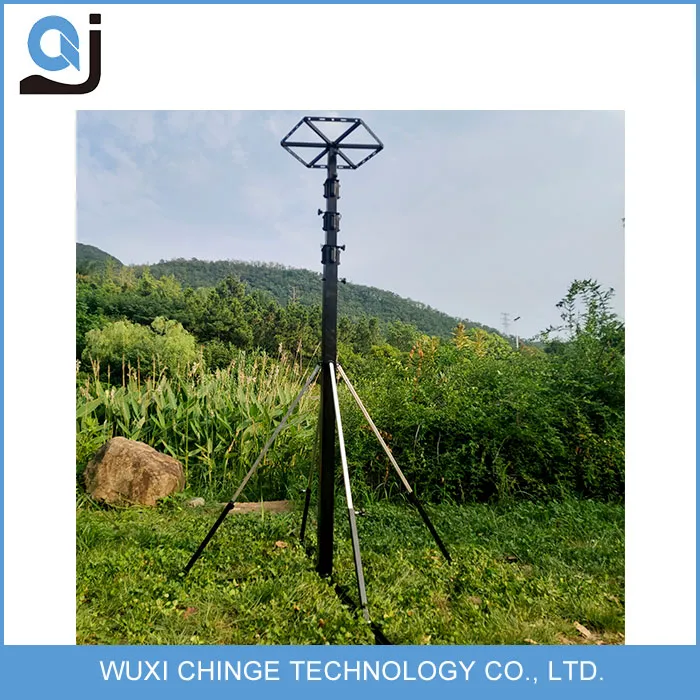
First off, let's understand what a manual telescoping mast is. We've got different types, like the Crank Up Mast and the Mechanical Telescoping Mast. These masts are pretty handy because you can adjust their height manually. They're used in a whole bunch of situations, from setting up temporary lighting with a Telescopic Light Tower to mounting antennas for communication.
Now, when it comes to seismic areas, things get a bit tricky. Seismic areas are places where earthquakes are more likely to happen. Earthquakes bring with them ground shaking, which can cause all sorts of problems for structures, including masts.
One of the main concerns with using a manual telescoping mast in a seismic area is stability. During an earthquake, the ground moves in all directions - side to side, up and down. A mast that isn't stable enough can easily topple over. Our manual telescoping masts are designed with stability in mind. They're made from high - quality materials that can withstand a certain amount of stress. For example, the steel we use is strong and has good ductility, which means it can bend a bit without breaking under pressure.
Another factor is the base of the mast. A solid and well - anchored base is crucial. We recommend using a heavy - duty base that can be firmly fixed to the ground. This helps to keep the mast in place during an earthquake. Some of our customers in seismic areas have used concrete bases to anchor their masts. The concrete provides a lot of weight and stability, reducing the risk of the mast falling over.
But it's not just about the physical structure of the mast. We also need to consider how the mast is installed. Proper installation is key. The mast should be installed by professionals who understand the specific requirements of seismic areas. They know how to level the base, how to anchor it correctly, and how to ensure that the mast is vertical. If the mast is installed incorrectly, even a small earthquake could cause it to fail.
Let's talk about the height of the mast. In seismic areas, it's generally a good idea to keep the mast at a reasonable height. A taller mast has a higher center of gravity, which makes it more prone to tipping during an earthquake. Our manual telescoping masts give you the flexibility to adjust the height. So, in a seismic area, you can keep the mast at a lower height to increase its stability.
We've also done some research on how our masts perform in seismic conditions. We've conducted simulations and tests to see how they respond to different levels of ground shaking. The results have been pretty positive. Our masts can withstand minor to moderate earthquakes without significant damage, as long as they're installed correctly.
However, it's important to note that no structure is completely immune to the effects of a major earthquake. In the event of a very strong earthquake, even a well - designed and installed mast may be damaged. That's why it's a good idea to have a plan in place for inspection and maintenance after an earthquake. You should check the mast for any signs of damage, such as cracks in the structure or loose connections.
Now, you might be wondering if there are any additional safety features we can offer for masts used in seismic areas. Well, we're constantly working on improving our products. We're looking into adding features like shock - absorbing mechanisms to the base of the mast. These mechanisms can help to reduce the impact of ground shaking on the mast.
In conclusion, a manual telescoping mast can be used in seismic areas, but it requires careful consideration. You need to choose the right type of mast, ensure proper installation, and take steps to enhance stability. Our products are designed to be as safe and reliable as possible, but it's always a good idea to consult with a structural engineer if you're planning to use a mast in a high - risk seismic area.
If you're in a seismic area and are interested in our manual telescoping masts, don't hesitate to get in touch. We're here to help you choose the right product for your needs and provide you with all the information you need for a successful installation. Whether you're setting up a communication system or a lighting solution, we've got the masts that can work for you in seismic areas.
So, if you're thinking about making a purchase, reach out to us for more details and to start a procurement discussion. We're ready to assist you every step of the way.
References:

- Engineering textbooks on seismic design
- In - house research and testing reports on mast performance in seismic conditions