




Hey there, fellow amateur radio enthusiasts! I'm a supplier of push up antenna masts, and I often get asked if our push up antenna masts can be used for amateur satellite communication. Well, let's dive right into this topic and find out!

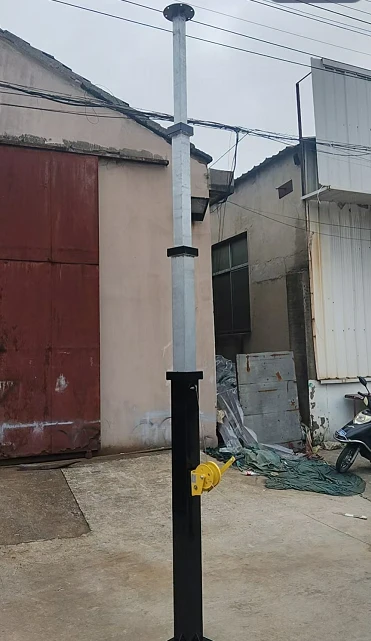
First off, what exactly is amateur satellite communication? It's all about using satellites orbiting the Earth to communicate with other amateur radio operators around the globe. It's a pretty cool way to expand your communication range and connect with like - minded people. But to do it effectively, you need a good antenna setup, and that's where our push up antenna masts come in.
So, can a push up antenna mast work for amateur satellite communication? The short answer is yes, but there are a few things to consider.
Advantages of Using Push Up Antenna Masts for Satellite Communication
1. Easy Installation
One of the biggest perks of push up antenna masts is how easy they are to install. You don't need a huge crew or a lot of fancy equipment. With a push up mast, you can set it up on your own in a relatively short time. This is super handy if you're in a hurry to get your satellite communication up and running, or if you're setting up in a remote location where you don't have access to heavy - duty installation gear.
2. Height Adjustability
Most push up antenna masts allow you to adjust the height. For satellite communication, height can be crucial. Satellites are way up in the sky, and having your antenna at a higher elevation can improve your chances of making a good connection. You can raise the mast to the optimal height depending on the satellite's position and your geographical location.
3. Portability
If you're into mobile amateur satellite communication, portability is key. Push up antenna masts are often lightweight and can be easily transported. You can take them with you on camping trips, to field days, or any other outdoor events where you want to communicate via satellites.
Things to Keep in Mind
1. Antenna Compatibility
Not all antennas are suitable for satellite communication. You need to make sure that the antenna you're using with your push up mast is designed for satellite frequencies. Some common types of antennas for satellite communication include Yagi antennas, helix antennas, and turnstile antennas. You'll need to do some research to find the right antenna for your specific needs.
2. Stability
Satellites move, and you need a stable antenna setup to keep up with them. Push up masts need to be properly secured to the ground. Wind and other environmental factors can affect the stability of the mast. You might need to use guy wires or other stabilizing methods to ensure that your mast stays upright and your antenna remains in the right position.
3. Signal Strength
Even with a good antenna and a stable mast, you might still face challenges with signal strength. The distance between the satellite and your location, as well as interference from other sources, can impact the quality of your communication. You may need to use a pre - amplifier or other signal - boosting devices to improve your signal.
Now, let's talk about some of the products we offer that could be great for amateur satellite communication.
We have the Aluminum Crank Up Mast. This mast is made of high - quality aluminum, which makes it lightweight yet strong. The crank - up mechanism allows you to easily adjust the height of the mast, so you can get your antenna to the perfect position for satellite communication.
Another option is the 30ft Telescopic Winch Up Mast. With a height of 30 feet, it gives you a good elevation for reaching satellites. The winch - up system makes it easy to raise and lower the mast, and it's built to withstand the elements.
Our Manual Telescoping Mast is also a popular choice. It's simple to operate, and you can manually adjust the height according to your needs. This mast is great for those who prefer a more hands - on approach to setting up their antenna.
Tips for Using Push Up Antenna Masts in Satellite Communication
1. Do Your Research
Before you start, learn as much as you can about amateur satellite communication. Understand the frequencies, the satellite orbits, and the best practices for setting up your antenna. There are many online resources and amateur radio clubs where you can get valuable information.
2. Practice Setup
Set up your push up mast and antenna at home a few times before you head out for a satellite communication session. This will help you get familiar with the process and identify any potential issues.
3. Monitor the Satellite's Position
Use satellite tracking software or apps to keep track of the satellite's position. This will help you adjust your antenna and mast accordingly to maintain a good connection.
In conclusion, push up antenna masts can definitely be used for amateur satellite communication. They offer many advantages in terms of installation, height adjustment, and portability. However, you need to pay attention to antenna compatibility, stability, and signal strength.
If you're interested in purchasing a push up antenna mast for your amateur satellite communication needs, we'd love to hear from you. We can provide you with more information about our products and help you choose the right one for your specific requirements. Just reach out to us, and we'll be happy to assist you in getting your satellite communication setup up and running.
References
- ARRL Handbook for Radio Communications
- "Satellite Communications" by Timothy Pratt and Charles W. Bostian