




Can a telescopic radio tower be used for IoT communication?
In today's era of rapid technological advancement, the Internet of Things (IoT) has emerged as a revolutionary concept that is transforming various industries. IoT communication is the backbone of this interconnected world, enabling devices to exchange data and perform functions autonomously. As a supplier of telescopic radio towers, I often get asked whether these towers can be effectively used for IoT communication. In this blog post, I will explore the potential of telescopic radio towers in IoT communication, highlighting their features, advantages, and considerations.
Understanding Telescopic Radio Towers
Telescopic radio towers are a type of portable tower that can be extended and retracted. They are typically made of lightweight materials such as aluminum or fiberglass, which makes them easy to transport and install. These towers are designed to provide a stable platform for antennas and other communication equipment, allowing for reliable wireless communication over a wide area.
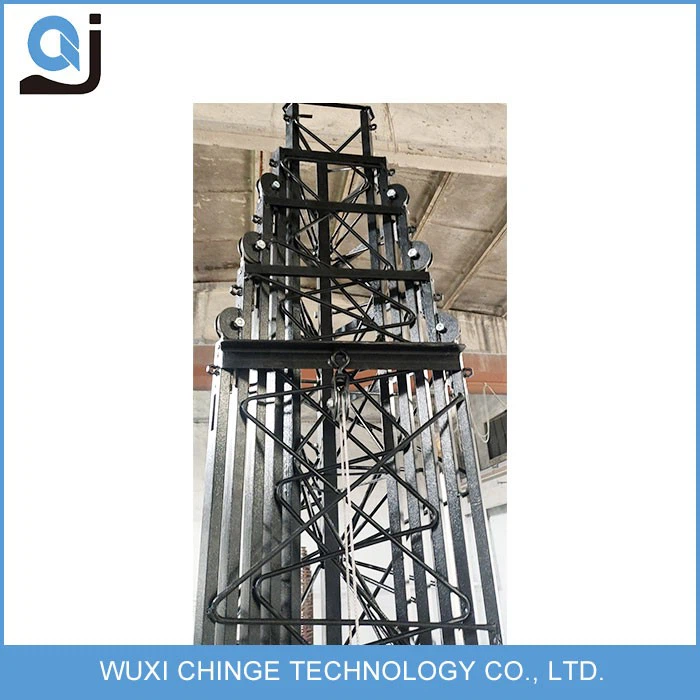
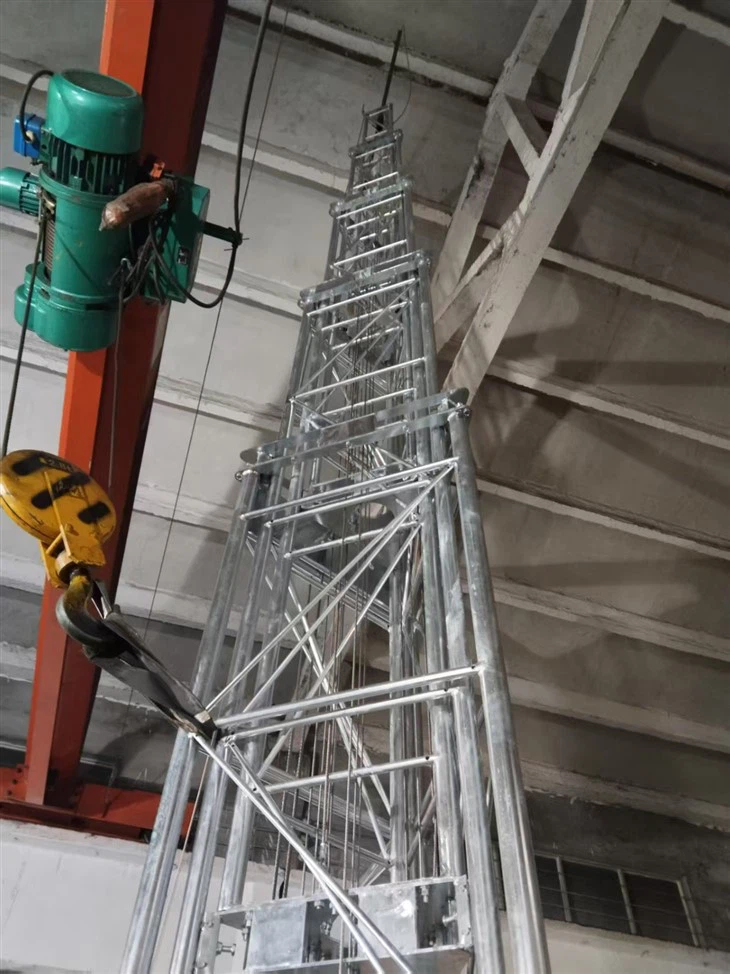
There are different types of telescopic radio towers available in the market, each with its own unique features and applications. For example, the Telescoping Antenna Tower is specifically designed for mounting antennas, while the Light Weight Harm Radio Tower is ideal for use in areas where weight and portability are crucial. The Portable Cell Tower is another popular option that can be used to provide temporary or permanent cellular coverage in remote or disaster-stricken areas.
The Role of Telescopic Radio Towers in IoT Communication
IoT communication relies on a network of sensors, devices, and gateways that are connected wirelessly to transmit data. To ensure reliable communication, these devices need to be able to establish a strong and stable connection with each other. This is where telescopic radio towers come in. By providing a high vantage point for antennas, telescopic radio towers can improve the range and quality of wireless communication, allowing IoT devices to communicate more effectively.
One of the key advantages of using telescopic radio towers for IoT communication is their portability. Unlike traditional fixed towers, which are often large and difficult to install, telescopic radio towers can be easily transported and set up in a matter of hours. This makes them ideal for use in temporary or remote locations, such as construction sites, agricultural fields, or disaster areas. Additionally, their ability to be retracted makes them easy to store and transport when not in use.
Another advantage of telescopic radio towers is their flexibility. They can be adjusted to different heights, depending on the specific requirements of the IoT application. This allows for optimal positioning of antennas, which can improve the signal strength and coverage area. For example, in a large agricultural field, a telescopic radio tower can be extended to a higher height to provide coverage over a wider area, while in a densely populated urban area, it can be adjusted to a lower height to avoid interference with other communication systems.
Considerations for Using Telescopic Radio Towers in IoT Communication
While telescopic radio towers offer many advantages for IoT communication, there are also some considerations that need to be taken into account. One of the main considerations is the height and stability of the tower. The height of the tower will determine the range and coverage area of the wireless communication, while the stability of the tower will ensure that the antennas remain in place and do not sway or vibrate, which can affect the signal quality.
Another consideration is the environmental conditions in which the tower will be used. Telescopic radio towers are typically designed to withstand a certain range of environmental conditions, such as wind, rain, and snow. However, in extreme weather conditions, such as hurricanes or tornadoes, additional precautions may need to be taken to ensure the safety and stability of the tower. Additionally, the tower may need to be protected from corrosion and other forms of damage, especially if it is located in a coastal or industrial area.
The type of antennas and communication equipment that will be used with the telescopic radio tower is also an important consideration. Different IoT applications may require different types of antennas, depending on the frequency band, signal strength, and coverage area. It is important to choose the right antennas and communication equipment that are compatible with the tower and the specific requirements of the IoT application.
Case Studies: Successful Use of Telescopic Radio Towers in IoT Communication
There are many examples of successful use of telescopic radio towers in IoT communication. One such example is in the agricultural industry, where IoT sensors are used to monitor soil moisture, temperature, and other environmental conditions. By using telescopic radio towers to provide wireless communication between the sensors and the data center, farmers can receive real-time information about their crops and make informed decisions about irrigation, fertilization, and pest control.
Another example is in the transportation industry, where IoT devices are used to monitor the location, speed, and condition of vehicles. By using telescopic radio towers to provide wireless communication between the vehicles and the control center, transportation companies can improve the efficiency and safety of their operations. For example, they can track the location of their vehicles in real-time, optimize their routes, and receive alerts in case of any emergencies or breakdowns.
Conclusion
In conclusion, telescopic radio towers have the potential to play a significant role in IoT communication. Their portability, flexibility, and ability to provide a high vantage point for antennas make them ideal for use in a wide range of IoT applications, especially in temporary or remote locations. However, it is important to carefully consider the specific requirements of the IoT application and the environmental conditions in which the tower will be used to ensure optimal performance and reliability.
If you are interested in using telescopic radio towers for your IoT communication needs, I encourage you to contact us to discuss your requirements. Our team of experts can provide you with detailed information about our products and services, and help you choose the right telescopic radio tower for your specific application. We look forward to working with you to help you achieve your IoT goals.
References
- IoT for Dummies, 2nd Edition, by Sean Riley and Dan Woods
- Wireless Communication and Networks, 2nd Edition, by Andrew S. Tanenbaum and David J. Wetherall
- Antenna Theory: Analysis and Design, 4th Edition, by Constantine A. Balanis