




As a supplier of portable towers, I've encountered numerous inquiries regarding the extension of their range. Portable towers, such as the Mobile Tower Trailer, Portable Signal Tower, and China Cell On Wheels, offer flexibility and convenience in various applications. However, to maximize their effectiveness, extending their range becomes a crucial consideration. In this blog, I'll share some practical strategies based on my experience in the industry.
Understanding the Basics of Portable Tower Range
Before delving into the methods of extending the range, it's essential to understand the factors that influence it. The range of a portable tower is primarily determined by the power output of its transmitter, the height of the antenna, the frequency of operation, and the surrounding environment. Higher power output generally results in a greater range, as the signal can travel farther. Similarly, a taller antenna provides a better line - of - sight and reduces the impact of obstacles, thereby increasing the effective range. The frequency of operation also plays a role; lower frequencies tend to have better propagation characteristics and can travel longer distances compared to higher frequencies.
Optimizing Antenna Design and Placement
One of the most effective ways to extend the range of a portable tower is to optimize the antenna design and placement. Antennas are the critical components that radiate and receive signals. A well - designed antenna can significantly enhance the signal strength and coverage area.
Firstly, choose an antenna with a high gain. Gain is a measure of an antenna's ability to focus the transmitted or received signal in a particular direction. Higher gain antennas can direct more of the signal energy towards the desired area, thus increasing the effective range. For example, a directional antenna can be used if the coverage is required in a specific direction, while an omnidirectional antenna is suitable for providing 360 - degree coverage.
Secondly, proper placement of the antenna is crucial. Mount the antenna as high as possible to avoid obstacles and improve the line - of - sight. In outdoor settings, placing the antenna on a mast or a tower structure can elevate it above ground - level obstructions such as buildings, trees, and vehicles. Even a few meters of additional height can make a significant difference in the range. Inside a building, try to place the antenna near a window or on a high shelf to minimize signal blockage.
Increasing Transmitter Power
Another straightforward approach to extend the range is to increase the transmitter power. Most portable towers allow for some degree of power adjustment. By increasing the power output, the signal becomes stronger, and it can travel farther. However, there are limitations and regulations to consider.
In many regions, there are strict regulations regarding the maximum allowable transmitter power to prevent interference with other communication systems. Before increasing the power, make sure to comply with the local regulatory requirements. Additionally, increasing the power also means higher energy consumption, which may require a larger power source or more frequent battery replacements in the case of battery - powered portable towers.
Using Signal Repeaters and Boosters
Signal repeaters and boosters are devices that can be used to extend the range of a portable tower. A signal repeater receives the weak signal from the portable tower, amplifies it, and then re - broadcasts it over a larger area. This effectively extends the coverage range without the need to increase the transmitter power of the original tower.
There are two main types of repeaters: analog and digital. Analog repeaters are simpler and more cost - effective but may introduce some noise and distortion in the signal. Digital repeaters, on the other hand, offer better signal quality and can handle more complex modulation schemes.
When installing a signal repeater, it's important to ensure proper isolation between the input and output signals to prevent feedback loops, which can cause the system to oscillate and produce unwanted noise.
Employing Beamforming Technology
Beamforming is an advanced technology that can be used to extend the range of a portable tower. It involves electronically steering the radio frequency (RF) beam in a specific direction to focus the signal energy towards the desired users or areas.
In a portable tower equipped with beamforming technology, multiple antennas are used in an array. By adjusting the phase and amplitude of the signals sent to each antenna, the system can create a constructive interference pattern in the desired direction, effectively increasing the signal strength in that area. Beamforming can adapt to the changing positions of users or the surrounding environment, providing dynamic and targeted coverage.
Considering the Surrounding Environment
The surrounding environment has a significant impact on the range of a portable tower. Different terrains and atmospheric conditions can either enhance or degrade the signal propagation.
In open areas with few obstacles, such as deserts or plains, the signal can travel relatively long distances. However, in urban areas with high - rise buildings, the signal can be severely blocked and reflected, resulting in a reduced range. In such cases, it may be necessary to use a combination of different strategies, such as increasing the antenna height, using signal repeaters, and optimizing the antenna pattern to overcome the obstacles.
Atmospheric conditions, such as rain, fog, and humidity, can also affect the signal propagation. Higher frequencies are more susceptible to attenuation caused by these weather conditions. To mitigate the impact, it may be necessary to adjust the system parameters or use alternative frequencies if available.
Regular Maintenance and Monitoring
To ensure that the portable tower continues to operate at its maximum range, regular maintenance and monitoring are essential. Check the antenna for any signs of damage or corrosion, as these can degrade the signal performance. Clean the antenna and the tower structure periodically to remove dirt and debris that may affect the signal radiation.
Monitor the signal strength and quality regularly using appropriate testing equipment. By analyzing the data, you can detect any potential issues early and take corrective actions, such as adjusting the transmitter power, realigning the antenna, or replacing faulty components.
Conclusion
Extending the range of a portable tower is a multi - faceted challenge that requires a comprehensive approach. By optimizing the antenna design and placement, increasing the transmitter power within regulatory limits, using signal repeaters and boosters, employing beamforming technology, considering the surrounding environment, and conducting regular maintenance and monitoring, you can significantly enhance the range and performance of your portable tower.
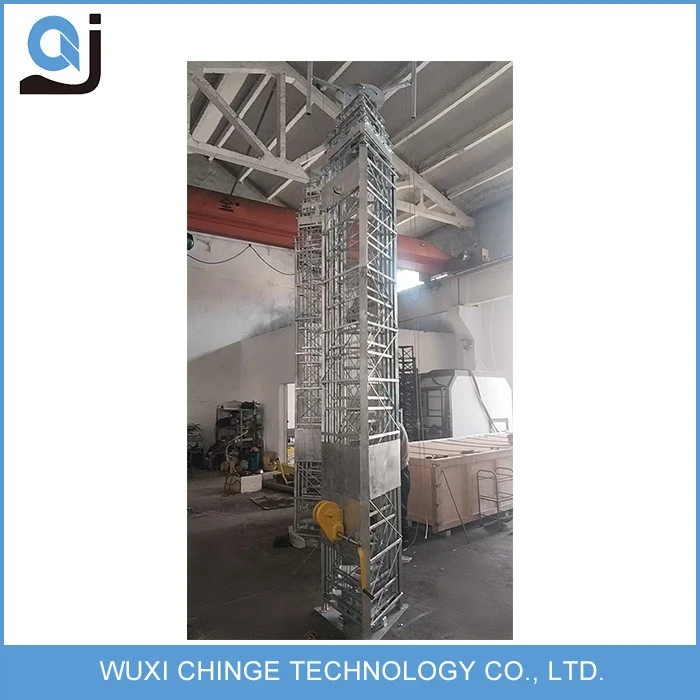
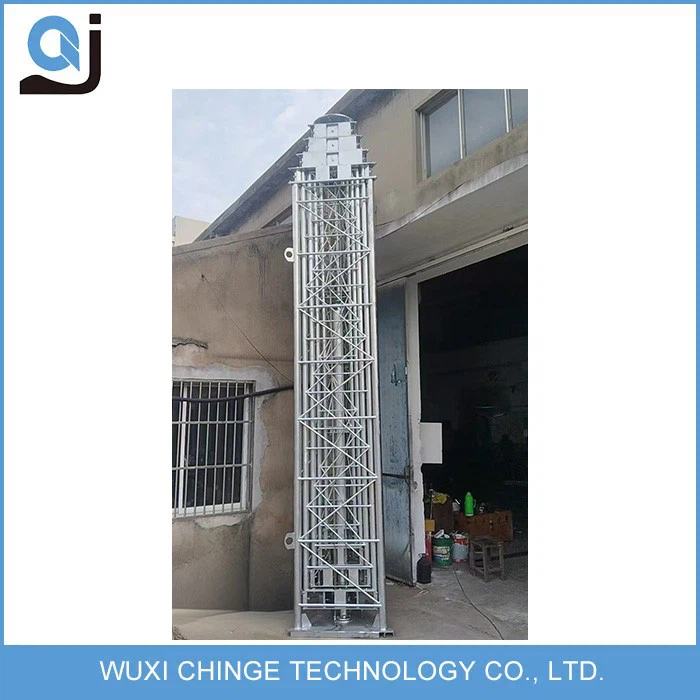
If you're interested in our Mobile Tower Trailer, Portable Signal Tower, or China Cell On Wheels and would like to discuss how to extend their range further or have any other procurement - related questions, please feel free to reach out to us. We're here to provide you with the best solutions and support.
References
- Communication Systems Engineering, by David Tse and Pramod Viswanath.
- Antenna Theory: Analysis and Design, by Constantine A. Balanis.
- Wireless Communications, by Theodore S. Rappaport.