


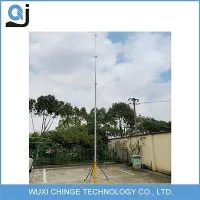
In the dynamic landscape of modern telecommunications, the demand for flexible and efficient network solutions has never been higher. As a proud supplier of cell towers on wheels, I've witnessed firsthand how these innovative mobile units play a crucial role in maintaining seamless connectivity, especially when it comes to handling handovers between cells. In this blog post, I'll delve into the intricate processes and technologies that enable our cell towers on wheels to manage handovers effectively, ensuring uninterrupted communication for users.
Understanding Handovers in Cellular Networks
Before we explore how cell towers on wheels handle handovers, it's essential to understand what handovers are and why they're important. In a cellular network, a handover occurs when a mobile device moves from one cell (coverage area of a base station) to another. This transition is necessary to maintain a stable connection as the signal strength from the current cell weakens and the signal from the neighboring cell becomes stronger.
There are two main types of handovers: hard handovers and soft handovers. In a hard handover, the mobile device completely disconnects from the current cell before connecting to the new cell. This can result in a brief interruption in service. On the other hand, a soft handover allows the mobile device to maintain connections with both the current and the new cells simultaneously during the transition, minimizing the risk of dropped calls or lost data.
The Role of Cell Towers on Wheels in Handovers
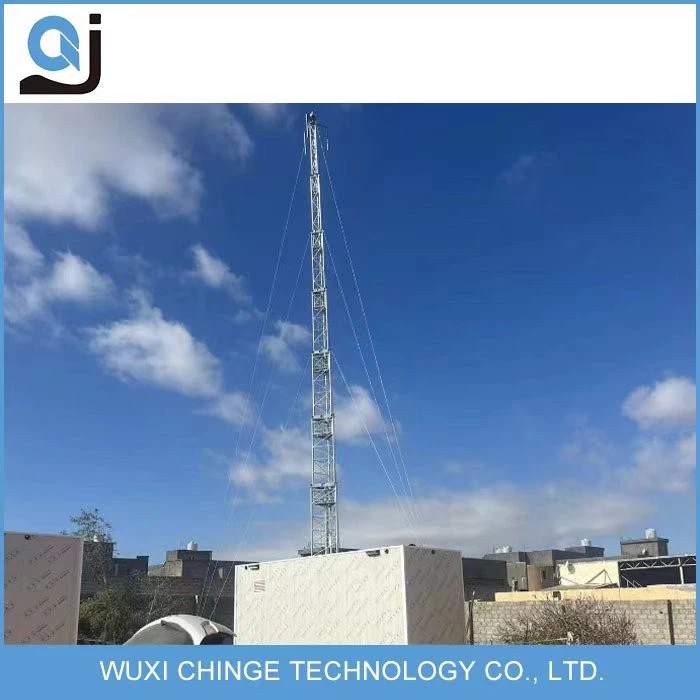
Cell towers on wheels, also known as Cell On Wheels Tower, are mobile base stations that can be quickly deployed to areas with high demand or where network infrastructure is damaged or insufficient. These units are equipped with advanced technologies and features that enable them to handle handovers efficiently, even in challenging environments.
One of the key advantages of cell towers on wheels is their mobility. They can be easily transported to different locations, allowing network operators to provide temporary or additional coverage where it's needed most. This flexibility is particularly useful during large events, such as concerts, sports games, or festivals, where the sudden influx of users can strain the existing network infrastructure.
Technologies and Processes for Handling Handovers
Our cell towers on wheels are equipped with state-of-the-art technologies and sophisticated algorithms that work together to ensure smooth handovers between cells. Here's a closer look at some of the key components and processes involved:
Signal Monitoring and Measurement
The first step in handling handovers is to continuously monitor the signal strength and quality of both the current and neighboring cells. Our cell towers on wheels are equipped with advanced sensors and antennas that can accurately measure the signal parameters, such as received signal strength indicator (RSSI), signal-to-noise ratio (SNR), and carrier-to-interference ratio (CIR).
Based on these measurements, the mobile device and the base station can determine when a handover is necessary. For example, if the RSSI of the current cell drops below a certain threshold and the RSSI of a neighboring cell is stronger, a handover may be initiated.
Handover Decision Making
Once the need for a handover is detected, the next step is to decide which neighboring cell to hand over to. This decision is based on a variety of factors, including signal strength, signal quality, network load, and the availability of resources in the neighboring cells.
Our cell towers on wheels use intelligent algorithms and machine learning techniques to analyze the data collected from the signal monitoring and measurement process. These algorithms can predict the best time and target cell for a handover, taking into account the mobility patterns of the mobile device and the overall network conditions.

Handover Execution
After the handover decision is made, the actual handover process is executed. This involves coordinating between the mobile device, the current base station, and the target base station to ensure a seamless transition.
In the case of a hard handover, the mobile device first sends a handover request to the current base station. The current base station then releases the connection with the mobile device and sends a handover command to the target base station. The target base station then allocates resources for the mobile device and establishes a new connection.
In a soft handover, the mobile device maintains connections with both the current and the target base stations simultaneously during the transition. This is achieved by using a technique called diversity combining, where the signals from both base stations are combined to improve the signal quality and reliability.
Post-Handover Optimization
Once the handover is completed, the cell tower on wheels continues to monitor the signal quality and performance of the mobile device in the new cell. If necessary, it can adjust the transmission power, frequency, or other parameters to optimize the connection and ensure a stable and high-quality communication experience.
Challenges and Solutions in Handling Handovers
While cell towers on wheels are designed to handle handovers efficiently, there are still some challenges that need to be addressed. Here are some of the common challenges and the solutions we've implemented to overcome them:
Interference and Signal Blockage
In urban areas or areas with dense vegetation, the signals from the cell towers on wheels may be affected by interference and signal blockage. This can make it difficult to accurately measure the signal strength and quality, leading to incorrect handover decisions.
To address this issue, our cell towers on wheels are equipped with advanced interference cancellation and signal processing technologies. These technologies can filter out the interference and enhance the signal strength, improving the accuracy of the signal monitoring and measurement process.
High Mobility and Fast-Speed Environments
In high-speed environments, such as on highways or trains, the mobile devices can move quickly between cells, making it challenging to handle handovers in a timely manner. This can result in dropped calls or lost data.
To overcome this challenge, our cell towers on wheels use a technique called fast handover, which allows the mobile device to switch between cells more quickly. This is achieved by pre-configuring the neighboring cells and reducing the time required for the handover decision and execution processes.
Network Congestion
During peak hours or large events, the network can become congested, making it difficult to allocate resources for handovers. This can lead to delays or failures in the handover process.
To address this issue, our cell towers on wheels are designed to be highly scalable and flexible. They can be easily upgraded or expanded to increase the capacity and handle the increased traffic. In addition, our intelligent algorithms can prioritize handovers based on the importance and urgency of the calls or data sessions.
Conclusion
In conclusion, cell towers on wheels play a vital role in handling handovers between cells in modern cellular networks. Our innovative mobile units are equipped with advanced technologies and features that enable them to monitor the signal strength, make intelligent handover decisions, execute seamless handovers, and optimize the post-handover performance.
Despite the challenges, we're committed to continuously improving our products and services to ensure the highest level of reliability and performance. Whether you're a network operator looking for a temporary or additional coverage solution or an event organizer in need of a reliable communication infrastructure, our Cell On Wheels Tower and Telecom Tower On Trailer can provide the flexibility and efficiency you need.
If you're interested in learning more about our cell towers on wheels or discussing your specific requirements, please don't hesitate to contact us. We're here to help you find the best solution for your telecommunications needs.