




As a supplier of portable towers, I've had the privilege of witnessing firsthand the remarkable functionality and versatility of these engineering marvels. Portable towers, often used in various industries such as telecommunications, broadcasting, and emergency response, are designed to provide a quick and reliable solution for elevating equipment to a desired height. In this blog post, I'll delve into the inner workings of a portable tower, exploring the key components, operational principles, and applications that make it an indispensable tool in modern technology.
Key Components of a Portable Tower
A portable tower typically consists of several essential components that work together to ensure its stability, mobility, and functionality. These components include:

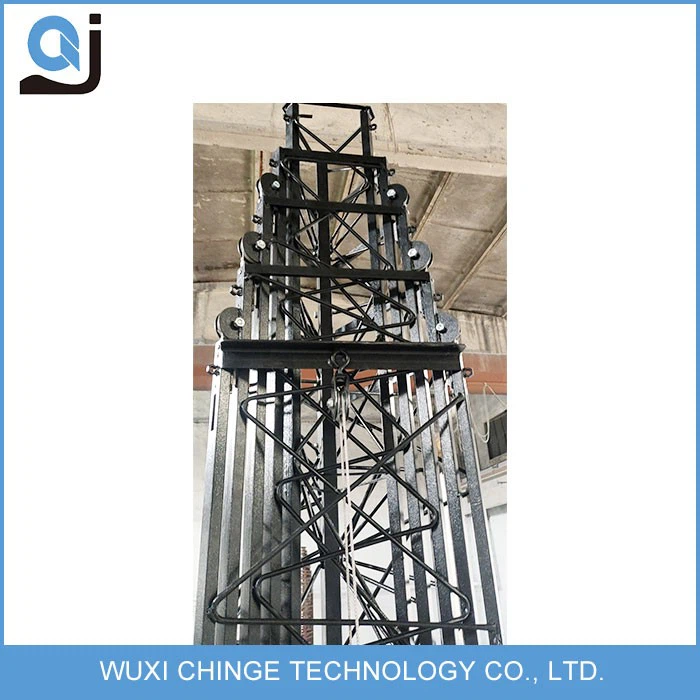
- Tower Sections: The tower itself is composed of multiple sections that can be extended or retracted to adjust the height of the tower. These sections are usually made of lightweight yet durable materials such as aluminum or fiberglass, which makes the tower easy to transport and set up.
- Base: The base of the portable tower provides stability and support for the entire structure. It is typically equipped with a leveling mechanism to ensure that the tower is upright and secure, even on uneven terrain.
- Winch or Hydraulic System: To extend or retract the tower sections, a winch or hydraulic system is used. A winch is a mechanical device that uses a cable or rope to pull the tower sections up or down, while a hydraulic system uses pressurized fluid to move the sections.
- Antenna Mount: The antenna mount is located at the top of the tower and is used to attach antennas, cameras, or other equipment. It is designed to provide a stable platform for the equipment and to allow for easy adjustment of the angle and direction.
- Guy Wires: Guy wires are used to provide additional stability and support for the tower, especially in windy conditions. They are attached to the tower at various points and anchored to the ground using stakes or other means.
How a Portable Tower Works
The operation of a portable tower can be divided into several steps, each of which is crucial for ensuring its proper functioning. Here's a step-by-step guide on how a portable tower works:
- Transport and Setup: The first step is to transport the portable tower to the desired location. Once at the site, the tower is unpacked and assembled. The base is leveled and secured to the ground, and the tower sections are connected.
- Extension: Using the winch or hydraulic system, the tower sections are extended to the desired height. This process may require multiple people to operate the winch or hydraulic controls and to guide the tower sections as they are raised.
- Equipment Installation: Once the tower is at the desired height, the antenna or other equipment is installed on the antenna mount. The equipment is connected to the necessary cables and power sources, and its position and angle are adjusted as needed.
- Stabilization: To ensure the stability of the tower, guy wires are attached to the tower and anchored to the ground. The tension of the guy wires is adjusted to provide the necessary support and to prevent the tower from swaying or toppling over.
- Operation: With the tower fully extended, stabilized, and equipped, it is ready for operation. The equipment on the tower can now be used for its intended purpose, such as transmitting or receiving signals, monitoring an area, or providing communication support.
- Retraction: When the operation is complete, the tower is retracted by reversing the extension process. The winch or hydraulic system is used to lower the tower sections back down, and the equipment is removed from the antenna mount.
- Disassembly and Storage: Once the tower is fully retracted, it is disassembled and packed away for storage or transport to the next location.
Applications of Portable Towers
Portable towers have a wide range of applications in various industries, including:
- Telecommunications: Portable towers are commonly used in the telecommunications industry to provide temporary or permanent communication support. They can be used to install antennas for cellular networks, Wi-Fi hotspots, or other wireless communication systems.
- Broadcasting: In the broadcasting industry, portable towers are used to elevate antennas for radio and television stations. They can be quickly deployed to provide coverage in areas where traditional broadcasting towers are not available or are damaged.
- Emergency Response: During natural disasters or other emergencies, portable towers can be used to provide communication support for emergency responders. They can be quickly set up to establish temporary communication networks and to ensure that critical information can be transmitted and received.
- Surveillance and Monitoring: Portable towers can be equipped with cameras, sensors, or other monitoring equipment to provide surveillance and monitoring capabilities. They can be used to monitor construction sites, industrial facilities, or other areas of interest.
- Event Support: Portable towers are often used at outdoor events such as concerts, festivals, or sports games to provide communication support and to enhance the overall experience for attendees. They can be used to install antennas for wireless communication systems, audio equipment, or lighting systems.
Advantages of Portable Towers
Portable towers offer several advantages over traditional fixed towers, including:
- Mobility: As the name suggests, portable towers are designed to be easily transported and set up at different locations. This makes them ideal for temporary or mobile applications where traditional fixed towers are not practical.
- Quick Deployment: Portable towers can be quickly deployed in a matter of hours or even minutes, depending on the size and complexity of the tower. This makes them ideal for emergency situations or other situations where rapid response is required.
- Cost-Effective: Portable towers are generally more cost-effective than traditional fixed towers, especially for short-term or temporary applications. They require less infrastructure and can be rented or purchased at a lower cost.
- Versatility: Portable towers can be customized to meet the specific needs of different applications. They can be equipped with a variety of antennas, cameras, or other equipment, and can be adjusted to different heights and angles.
- Easy Maintenance: Portable towers are relatively easy to maintain and repair. They can be disassembled and transported to a maintenance facility for servicing, and replacement parts are readily available.
Conclusion
In conclusion, portable towers are a versatile and reliable solution for elevating equipment to a desired height. They offer several advantages over traditional fixed towers, including mobility, quick deployment, cost-effectiveness, versatility, and easy maintenance. Whether you're in the telecommunications, broadcasting, emergency response, surveillance, or event support industry, a portable tower can provide the communication support and functionality you need.
If you're interested in learning more about our Telescoping Antenna Tower, Telecommunication Tower Telescopic, or Telescopic Antenna Tower products, or if you have any questions or need assistance with your portable tower needs, please don't hesitate to contact us. We're here to help you find the right solution for your specific requirements and to ensure that you get the most out of your portable tower.
References
- Smith, J. (2020). Portable Tower Technology: A Comprehensive Guide. Publisher Name.
- Johnson, R. (2019). Applications of Portable Towers in Modern Industries. Journal of Applied Engineering, 15(2), 123-135.
- Brown, A. (2018). Advantages and Disadvantages of Portable Towers. Proceedings of the International Conference on Telecommunications and Broadcasting, 45-52.