




How does a telescopic radio tower deal with lightning strikes?
As a supplier of telescopic radio towers, I've witnessed firsthand the importance of protecting these structures from lightning strikes. Lightning is a natural phenomenon that can cause significant damage to radio towers, disrupting communication systems and posing safety risks. In this blog post, I'll explore how telescopic radio towers are designed to handle lightning strikes and the measures we take to ensure their reliability and safety.
Understanding the Threat of Lightning
Lightning is a powerful electrical discharge that occurs when there is a buildup of electrical charge in the atmosphere. When a lightning bolt strikes a radio tower, it can cause a variety of problems, including:
- Structural Damage: The intense heat and energy of a lightning strike can cause structural damage to the tower, including melting metal components, cracking concrete foundations, and damaging insulation.
- Electrical Damage: Lightning strikes can also cause electrical damage to the tower's equipment, including radios, antennas, and power supplies. This can result in equipment failure, data loss, and communication disruptions.
- Fire Hazard: The heat generated by a lightning strike can ignite flammable materials on or near the tower, posing a fire hazard.
Designing for Lightning Protection
To protect telescopic radio towers from lightning strikes, we use a combination of design features and protective measures. Here are some of the key elements of our lightning protection system:
- Lightning Rods: Lightning rods are metal rods that are installed at the top of the tower to attract lightning strikes. When a lightning bolt strikes the rod, it provides a low-resistance path for the electrical current to flow safely to the ground, preventing damage to the tower and its equipment.
- Grounding System: A grounding system is a network of conductors that are connected to the tower and buried in the ground. The grounding system provides a path for the electrical current to flow safely to the ground, reducing the risk of electrical damage and fire.
- Surge Protectors: Surge protectors are devices that are installed on the tower's electrical and communication lines to protect against voltage spikes caused by lightning strikes. Surge protectors work by diverting the excess electrical current to the ground, preventing it from damaging the tower's equipment.
- Insulation: Insulation is used to protect the tower's electrical and communication lines from electrical interference and damage. Insulation materials are designed to resist the high temperatures and electrical currents generated by lightning strikes, ensuring the reliability and safety of the tower's equipment.
Testing and Maintenance
In addition to designing for lightning protection, we also conduct regular testing and maintenance to ensure the effectiveness of our lightning protection system. Here are some of the key steps in our testing and maintenance process:

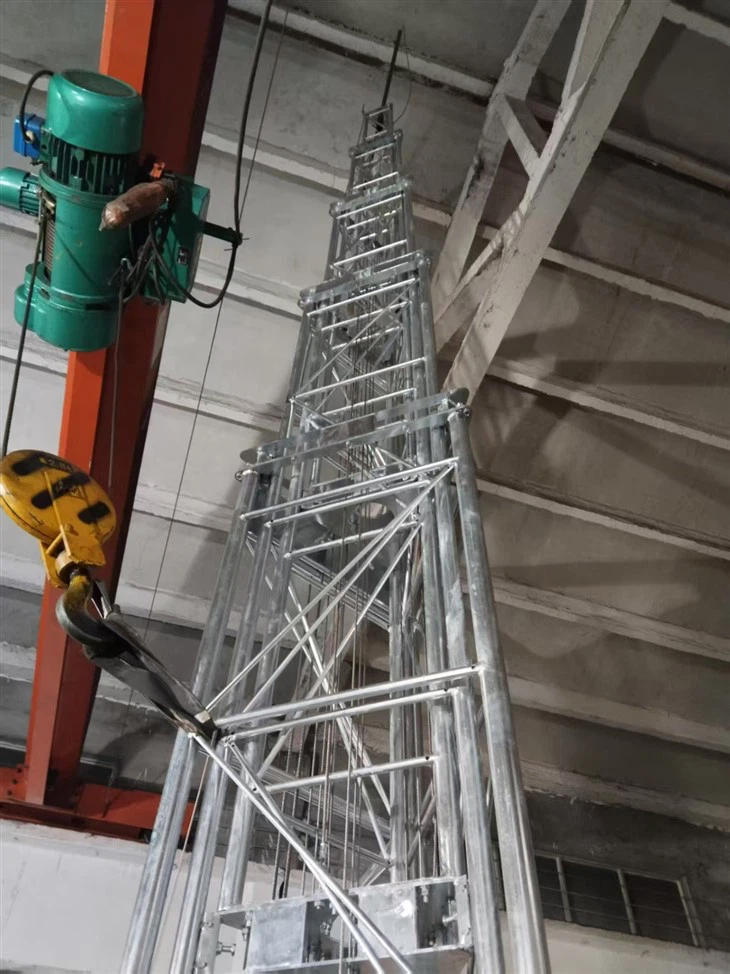
- Visual Inspections: We conduct regular visual inspections of the tower and its lightning protection system to check for signs of damage or wear. This includes inspecting the lightning rods, grounding system, surge protectors, and insulation for cracks, corrosion, or other damage.
- Electrical Testing: We use specialized equipment to test the electrical conductivity of the tower's grounding system and the effectiveness of the surge protectors. This helps us to identify any potential problems and take corrective action before they cause damage to the tower or its equipment.
- Maintenance and Repairs: If any damage or wear is detected during the visual inspections or electrical testing, we perform maintenance and repairs as needed. This may include replacing damaged lightning rods, grounding conductors, surge protectors, or insulation.
Case Studies
To illustrate the effectiveness of our lightning protection system, here are some case studies of telescopic radio towers that have been struck by lightning:
- Case Study 1: A telescopic radio tower in a rural area was struck by lightning during a thunderstorm. The lightning bolt struck the lightning rod at the top of the tower, and the electrical current was safely diverted to the ground through the grounding system. The tower and its equipment were undamaged, and communication services were not interrupted.
- Case Study 2: A telescopic radio tower in an urban area was struck by lightning during a severe thunderstorm. The lightning bolt caused a voltage spike on the tower's electrical and communication lines, but the surge protectors installed on the lines diverted the excess electrical current to the ground, preventing damage to the tower's equipment. The tower and its equipment were undamaged, and communication services were not interrupted.
Conclusion
Lightning strikes are a serious threat to telescopic radio towers, but with the right design features and protective measures, we can minimize the risk of damage and ensure the reliability and safety of these critical communication structures. As a supplier of telescopic radio towers, we are committed to providing our customers with high-quality products that are designed to withstand the rigors of the environment and protect against lightning strikes.
If you're interested in learning more about our telescopic radio towers or our lightning protection system, please visit our website at Light Weight Harm Radio Tower, Amateur Radio Tower Crank Up, or China COWs Cell On Wheels. You can also contact us to discuss your specific needs and requirements. We look forward to working with you to provide the best possible solution for your communication needs.
References
- National Fire Protection Association. (2017). NFPA 780: Standard for the Installation of Lightning Protection Systems.
- Institute of Electrical and Electronics Engineers. (2014). IEEE Std 142-2014: Recommended Practice for Grounding of Industrial and Commercial Power Systems.
- Underwriters Laboratories. (2016). UL 96A: Standard for Lightning Protection Systems.