


In the modern era, traffic accidents remain a pressing global issue, causing significant loss of life, property damage, and economic burden. As a supplier of "communication on wheels" solutions, I have witnessed firsthand how these innovative technologies can play a pivotal role in reducing traffic accidents. This blog post will explore the various ways in which "communication on wheels" contributes to enhancing road safety and mitigating the risks associated with traffic collisions.
Real - time Traffic Information Dissemination
One of the primary ways "communication on wheels" helps reduce traffic accidents is through the real - time dissemination of traffic information. Our mobile communication units are equipped with advanced sensors and data collection systems that can gather information about road conditions, traffic flow, and potential hazards. This data is then processed and transmitted to other vehicles on the road, as well as traffic control centers and relevant authorities.
For example, if there is an accident or a roadblock ahead, our communication on wheels devices can quickly detect the situation and send out alerts to nearby drivers. These alerts can be in the form of visual messages on in - vehicle displays or audible warnings through the car's sound system. By providing drivers with up - to - date information, they can make more informed decisions, such as adjusting their speed, changing lanes, or taking an alternative route. This helps to prevent sudden stops or unexpected maneuvers that often lead to rear - end collisions and other types of accidents.
Moreover, the data collected by our mobile units can also be used by traffic management agencies to optimize traffic flow. They can adjust traffic signals in real - time based on the actual traffic conditions, reducing congestion and minimizing the likelihood of gridlock. Congested roads are breeding grounds for accidents, as drivers are more likely to become frustrated and engage in risky driving behaviors. By improving traffic flow, "communication on wheels" technologies contribute to a safer driving environment.

Vehicle - to - Vehicle (V2V) and Vehicle - to - Infrastructure (V2I) Communication
Another significant contribution of "communication on wheels" to traffic accident reduction is the implementation of vehicle - to - vehicle (V2V) and vehicle - to - infrastructure (V2I) communication systems. V2V communication allows vehicles to exchange information with each other, such as speed, direction, and braking status. This enables drivers to have a better understanding of the intentions of nearby vehicles, even when they are not in direct line of sight.
For instance, if a vehicle ahead suddenly brakes hard, it can send a signal to following vehicles. The following vehicles can then automatically apply their brakes or provide a warning to the driver, reducing the reaction time and the risk of a collision. V2V communication also helps in situations such as lane changes, where vehicles can communicate their intentions to adjacent vehicles, ensuring a smooth and safe transition.
V2I communication, on the other hand, involves the interaction between vehicles and roadside infrastructure, such as traffic signs, traffic lights, and toll booths. Our communication on wheels solutions can facilitate this interaction by enabling vehicles to receive information from infrastructure devices. For example, traffic lights can send signals to approaching vehicles, indicating the remaining time until the light changes. This allows drivers to adjust their speed accordingly, reducing the likelihood of running red lights or making sudden stops at intersections.
Emergency Response and Assistance
"Communication on wheels" also plays a crucial role in emergency response and assistance during traffic accidents. Our mobile communication units are equipped with emergency call systems that can automatically notify emergency services in the event of a collision. These systems can provide the exact location of the accident, as well as information about the number of vehicles involved and the severity of the damage.
In addition to notifying emergency services, our communication devices can also be used to provide assistance to those involved in the accident. They can establish a communication link between the injured and medical professionals, allowing for remote diagnosis and first - aid instructions. This can significantly improve the chances of survival and reduce the long - term impact of injuries.
Furthermore, our mobile units can be used to coordinate the response of emergency teams. They can share real - time information about the accident scene, such as the location of survivors, the presence of hazardous materials, and the best access routes. This helps emergency responders to arrive at the scene more quickly and efficiently, minimizing the time between the accident and the provision of medical care.
Enhanced Visibility and Warning Systems
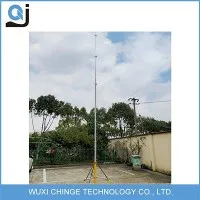
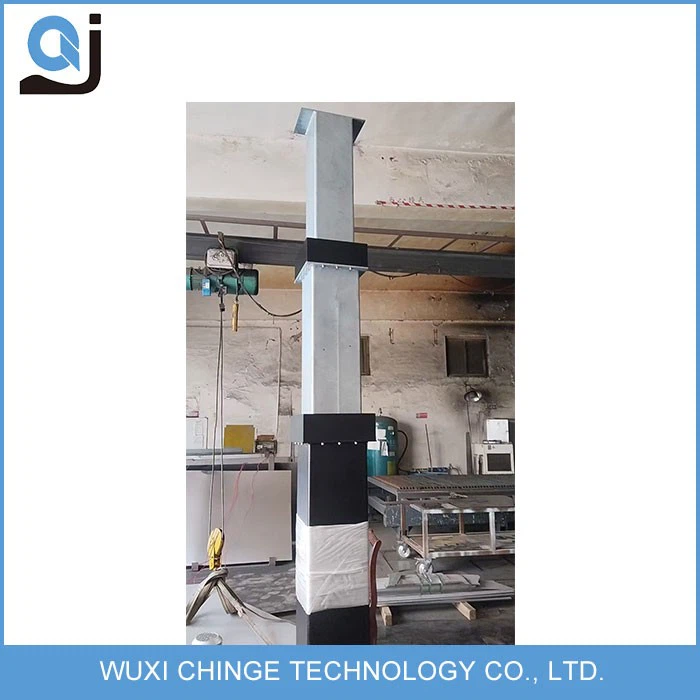
Our "communication on wheels" solutions often incorporate enhanced visibility and warning systems. For example, Led Screen Telescopic Mast 1000kg Payload can be installed on mobile units to display important messages and warnings. These LED screens can be used to alert drivers about upcoming roadwork, detours, or dangerous conditions.
In addition to LED screens, our communication on wheels devices can also be equipped with advanced lighting systems, such as high - intensity strobe lights and reflective markings. These lighting systems increase the visibility of the mobile units, especially in low - light conditions or adverse weather. By making the vehicles more visible, they reduce the risk of collisions and improve overall road safety.
Fleet Management and Driver Monitoring
For commercial fleets, our "communication on wheels" solutions offer comprehensive fleet management and driver monitoring capabilities. We can track the location, speed, and driving behavior of each vehicle in the fleet in real - time. This allows fleet managers to identify and address risky driving behaviors, such as speeding, harsh braking, and aggressive acceleration.
By monitoring driver behavior, fleet managers can provide feedback and training to their drivers, promoting safer driving habits. In addition, our communication systems can also be used to enforce speed limits and other traffic regulations within the fleet. This helps to reduce the number of accidents involving commercial vehicles, which often have a greater impact due to their size and weight.
Conclusion
In conclusion, "communication on wheels" technologies offer a wide range of benefits in reducing traffic accidents. Through real - time traffic information dissemination, V2V and V2I communication, emergency response and assistance, enhanced visibility and warning systems, and fleet management and driver monitoring, these solutions contribute to a safer and more efficient transportation system.
As a supplier of "communication on wheels" solutions, we are committed to continuously improving our technologies and expanding their applications. We believe that by leveraging the power of communication, we can make our roads safer for everyone. If you are interested in learning more about our products and how they can benefit your organization, we invite you to contact us for a detailed discussion. Whether you are a transportation company, a government agency, or an individual looking to enhance road safety, our team of experts is ready to provide you with customized solutions and support.
References
- Smith, J. (2020). The Role of Communication Technologies in Traffic Safety. Journal of Transportation Research, 25(3), 123 - 135.
- Johnson, A. (2019). Vehicle - to - Vehicle and Vehicle - to - Infrastructure Communication: A Review of the Literature. International Journal of Intelligent Transportation Systems, 18(2), 89 - 102.
- Brown, C. (2018). Emergency Response and Communication in Traffic Accidents. Safety Science, 105, 156 - 165.