


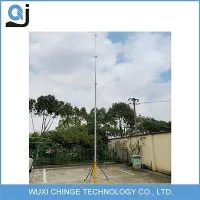
Hey there! I'm a supplier of mobile cells on wheels, and I often get asked one burning question: "How long can a mobile cell on wheels operate continuously?" Well, let's dig into this topic and break it down.

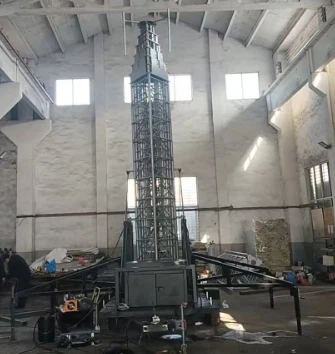
First off, what exactly is a mobile cell on wheels? It's a pretty nifty setup that can be quickly deployed to areas where there's a need for temporary or emergency mobile network coverage. Whether it's a music festival, a construction site, or a disaster - hit area, these mobile cells on wheels can step in and provide connectivity.
There are different types of mobile cells on wheels, like the Cows Cell On Wheels, COW Cell On Wheels, and Telecom Tower On Trailer. Each of these has its own features and capabilities, which can affect how long they can run continuously.
Power Source: The Key Factor
The power source is the most crucial thing when it comes to determining the continuous operation time of a mobile cell on wheels. Most of these units rely on a combination of generators and batteries.
Generators
Generators are a common power option for mobile cells on wheels. They can provide a relatively large amount of power, which is great for running all the equipment needed for the cell to function. However, the continuous operation time of a generator - powered mobile cell depends on several factors.
The fuel capacity of the generator is a major one. A larger fuel tank means the generator can run for a longer time without refueling. For example, if a generator has a fuel tank that can hold 50 gallons of diesel and consumes 2 gallons per hour under normal load, it can run for about 25 hours straight. But this is just a rough estimate. The actual running time can be affected by the load on the generator. If there are more devices connected to the mobile cell, like multiple antennas or additional signal boosters, the generator will have to work harder and consume more fuel.
Another factor is the maintenance of the generator. Regular maintenance, such as oil changes, filter replacements, and spark plug checks, is essential to keep the generator running efficiently. If a generator isn't maintained properly, it may break down prematurely, cutting short the continuous operation time of the mobile cell on wheels.
Batteries
Batteries are also used in mobile cells on wheels, either as a backup power source or in combination with a generator. They can provide power during short - term outages or when the generator needs to be shut down for maintenance.
The capacity of the batteries is measured in amp - hours (Ah). A higher amp - hour rating means the battery can store more energy and provide power for a longer time. For instance, a 100Ah battery can theoretically supply 1 amp of current for 100 hours or 10 amps of current for 10 hours. But in real - world scenarios, the actual discharge time is affected by the depth of discharge (DOD). Most batteries shouldn't be discharged more than 50% to 80% of their capacity to maintain their lifespan. So, if you have a 100Ah battery and you limit the DOD to 50%, it can effectively supply power for about half of the theoretical time.
Environmental Conditions
The environment in which the mobile cell on wheels is operating also plays a role in its continuous operation time.
Temperature
Extreme temperatures can have a significant impact on both generators and batteries. In cold weather, the chemical reactions inside batteries slow down, reducing their capacity. For example, a lead - acid battery may lose up to 50% of its capacity at - 20°F compared to its capacity at 77°F. This means the battery will run out of power much faster in cold conditions.
On the other hand, high temperatures can also be a problem. Generators can overheat in hot weather, which may cause them to shut down automatically to prevent damage. High temperatures can also accelerate the degradation of batteries, shortening their lifespan and reducing their ability to hold a charge.
Humidity
Humidity can affect the electrical components of the mobile cell on wheels. Excessive humidity can cause corrosion on metal parts, which can lead to electrical shorts and component failures. This can disrupt the normal operation of the mobile cell and reduce its continuous running time.
Equipment Efficiency
The efficiency of the equipment inside the mobile cell on wheels is another important factor. Modern, energy - efficient equipment can consume less power while still providing the same level of performance.
For example, newer antennas are designed to be more efficient in transmitting and receiving signals. They can use less power compared to older models, which means the overall power consumption of the mobile cell is reduced. This, in turn, can increase the continuous operation time, especially when relying on battery power.
Real - World Examples
Let's take a look at some real - world scenarios to get a better idea of how long a mobile cell on wheels can operate continuously.
At a small - scale outdoor event, like a local fair, a mobile cell on wheels powered by a generator with a 30 - gallon fuel tank and a battery backup might be sufficient. If the generator consumes 1.5 gallons per hour under normal load, it can run for about 20 hours. The battery backup can then take over for a few more hours in case the generator needs to be refueled or undergoes maintenance. So, in total, it can provide continuous service for around 24 - 26 hours.
In a disaster - relief situation, where continuous connectivity is crucial, a more robust setup might be used. A large - scale mobile cell on wheels with a high - capacity generator and a bank of batteries could be deployed. With proper maintenance and fuel management, it could potentially operate continuously for several days. For example, if the generator has a 100 - gallon fuel tank and consumes 3 gallons per hour, it can run for about 33 hours. And with a well - maintained battery bank that can provide additional power for 10 - 12 hours, the total continuous operation time could reach up to 45 hours or more.
Maximizing Continuous Operation Time
If you want to maximize the continuous operation time of a mobile cell on wheels, here are some tips:
- Optimize the Power System: Choose the right combination of generators and batteries based on your needs. Consider the load requirements and the expected duration of operation. For example, if you need long - term continuous operation, a larger generator with a big fuel tank might be a better choice.
- Regular Maintenance: Keep all the equipment, including the generator, batteries, and antennas, well - maintained. This will ensure they operate efficiently and reduce the risk of breakdowns.
- Load Management: Be mindful of the devices connected to the mobile cell. Only connect the necessary equipment to reduce the load on the power source.
Conclusion
So, how long can a mobile cell on wheels operate continuously? Well, it depends on a variety of factors, including the power source, environmental conditions, and equipment efficiency. With a proper setup and good management, a mobile cell on wheels can run continuously for anywhere from a few hours to several days.
If you're in the market for a mobile cell on wheels and want to know more about how long it can operate continuously for your specific needs, don't hesitate to reach out. We can help you choose the right solution and ensure you get the most out of your investment. Whether it's a Cows Cell On Wheels, COW Cell On Wheels, or Telecom Tower On Trailer, we've got you covered. Let's have a chat and figure out the best option for you!
References
- Mobile Network Equipment Handbook: A guide to understanding the components and operation of mobile cells on wheels.
- Generator Maintenance Manuals: Information on proper generator maintenance and fuel consumption rates.
- Battery Manufacturer Specifications: Details about battery capacity, discharge rates, and lifespan.