


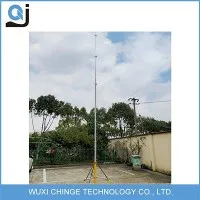


When it comes to winching up a pole, whether it's for a 50 Foot Telescopic Antenna Pole, a Portable Light Tower, or a Telescopic Cctv Mast, choosing the right location is a critical decision that can significantly impact the success and safety of the operation. As a seasoned winch up pole supplier, I've witnessed firsthand the importance of careful site selection. In this blog post, I'll share some key considerations and guidelines to help you make an informed choice.
Understanding the Purpose of the Pole
Before diving into location selection, it's essential to understand the purpose of the pole. Different types of poles serve various functions, and these functions will dictate the ideal location. For example, an antenna pole needs to be positioned in an area with minimal interference to ensure optimal signal reception. On the other hand, a light tower should be placed where it can provide adequate illumination for the intended area, such as a construction site or an outdoor event.
Site Accessibility
One of the first factors to consider is site accessibility. The location should be easily reachable by the equipment needed for winching up the pole. This includes trucks, cranes, and other heavy machinery. If the site is difficult to access, it can lead to delays, increased costs, and potential safety hazards. Make sure there are no obstacles, such as trees, buildings, or power lines, that could impede the movement of the equipment. Additionally, the ground should be stable enough to support the weight of the machinery without sinking or shifting.
Ground Conditions
The ground conditions at the selected location are crucial for the stability of the pole. The soil type, moisture content, and load-bearing capacity all play a significant role. Soft or wet soil may require additional foundation work, such as pouring a concrete base or using screw piles, to ensure the pole remains upright. Conduct a soil test to determine the soil's properties and consult with a geotechnical engineer if necessary. In some cases, it may be necessary to choose a different location if the ground conditions are not suitable.
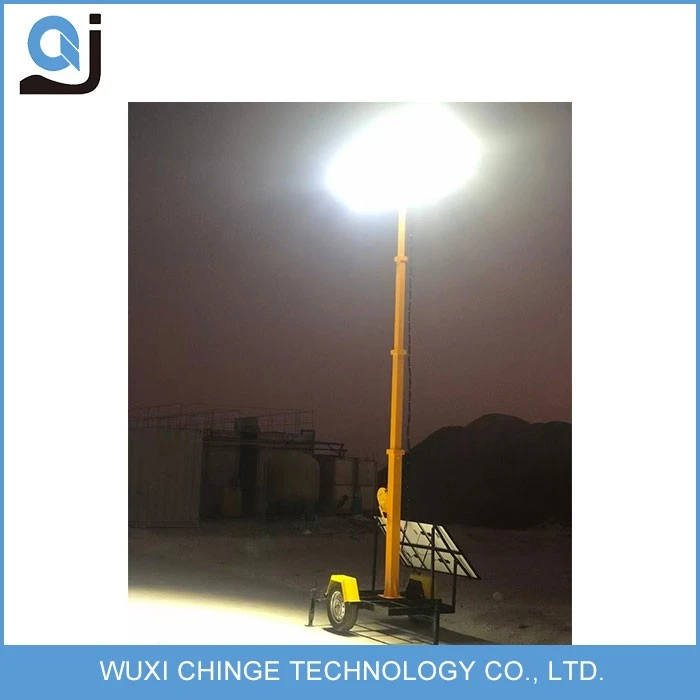
Proximity to Power Sources
If the pole requires electrical power, such as for a light tower or a CCTV camera, it's important to consider the proximity to power sources. The closer the pole is to a power outlet, the easier and more cost-effective it will be to connect the equipment. However, make sure to follow all electrical safety regulations and obtain the necessary permits before making any connections.
Clearance and Obstructions
Ensure that there is sufficient clearance around the pole to prevent any interference or damage. This includes overhead clearance to avoid contact with power lines, trees, or other structures. The distance from the pole to any nearby objects should be at least equal to the height of the pole to allow for safe installation and operation. Additionally, check for any underground utilities, such as water pipes, gas lines, or electrical cables, that could be damaged during the installation process.
Environmental Factors
Environmental factors can also affect the location of the pole. Consider the wind, rain, and sunlight exposure in the area. High winds can put stress on the pole and increase the risk of it toppling over. Choose a location that is sheltered from strong winds or install wind-resistant features, such as guy wires or a sturdy base. Rain and moisture can cause corrosion and damage to the pole, so make sure it is made of materials that are resistant to rust and water. Sunlight exposure can also affect the performance of certain equipment, such as solar panels, so position the pole accordingly.
Regulatory Requirements
Before installing a pole, it's important to check for any regulatory requirements or permits that may be necessary. This includes local building codes, zoning regulations, and environmental permits. Failure to comply with these requirements can result in fines, delays, or even the removal of the pole. Contact the local authorities or a professional consultant to ensure that you have all the necessary approvals before proceeding.

Future Expansion and Maintenance
Consider the future expansion and maintenance needs of the pole when choosing a location. Leave enough space around the pole to allow for future upgrades or additions. Additionally, make sure the location is easily accessible for maintenance and repairs. This will save time and money in the long run and ensure the continued functionality of the pole.
Safety Considerations
Safety should always be the top priority when winching up a pole. Make sure all workers are properly trained and equipped with the necessary safety gear. Follow all safety procedures and guidelines to prevent accidents and injuries. Conduct a risk assessment of the site to identify any potential hazards and take appropriate measures to mitigate them.
Conclusion
Choosing the right location to winch up a pole is a complex decision that requires careful consideration of various factors. By understanding the purpose of the pole, assessing the site accessibility, ground conditions, proximity to power sources, clearance and obstructions, environmental factors, regulatory requirements, future expansion and maintenance needs, and safety considerations, you can make an informed choice that will ensure the success and safety of the operation.
As a winch up pole supplier, we are committed to providing our customers with high-quality products and expert advice. If you have any questions or need assistance with choosing the right location for your pole, please don't hesitate to contact us. We would be happy to help you with your procurement and answer any questions you may have.
References
- "Pole Installation Guidelines," National Association of Tower Erectors
- "Soil Mechanics and Foundation Engineering," Braja M. Das
- "Electrical Safety Standards," Occupational Safety and Health Administration