


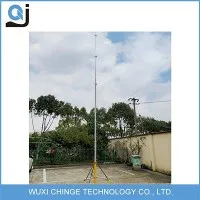


As a supplier of telescopic radio towers, I've seen firsthand the importance of ensuring the stability of these structures during operation. A wobbly or unstable tower can lead to a host of problems, from poor signal quality to potential safety hazards. In this blog post, I'll share some tips and strategies on how to keep your telescopic radio tower standing strong and performing at its best.
1. Choose the Right Location
The first step in ensuring the stability of your telescopic radio tower is to choose the right location for installation. The ground should be level and firm, capable of supporting the weight of the tower and any additional equipment. Avoid areas prone to flooding, erosion, or high winds, as these conditions can compromise the tower's stability.
Before installing the tower, conduct a thorough site survey to assess the soil conditions and identify any potential hazards. If necessary, consult with a geotechnical engineer to determine the appropriate foundation design for your specific location.
2. Use a Proper Foundation
A solid foundation is crucial for the stability of any telescopic radio tower. The type of foundation you choose will depend on several factors, including the tower's height, weight, and the soil conditions at the installation site.


For smaller towers, a simple concrete pad or pier foundation may be sufficient. These foundations provide a stable base for the tower and help distribute the weight evenly across the ground. Larger towers, on the other hand, may require a more elaborate foundation system, such as a pile foundation or a drilled shaft foundation.
When installing the foundation, make sure it is level and properly aligned with the tower. Use a laser level or other precision measuring tools to ensure accuracy. Additionally, follow the manufacturer's instructions carefully and use the recommended materials and techniques to ensure a strong and durable foundation.
3. Secure the Tower Properly
Once the foundation is in place, it's time to install the telescopic radio tower. Make sure the tower is properly secured to the foundation using the appropriate hardware, such as bolts or anchor rods. Tighten the bolts or rods to the recommended torque specifications to ensure a secure connection.
In addition to securing the tower to the foundation, it's also important to use guy wires or other stabilizing devices to prevent the tower from swaying or tipping over. Guy wires are typically attached to the tower at multiple points and anchored to the ground using deadman anchors or other types of anchors. The number and placement of guy wires will depend on the tower's height, weight, and the wind conditions at the installation site.
When installing guy wires, make sure they are properly tensioned and adjusted to provide the necessary support. Use a tension meter or other measuring device to ensure that the guy wires are tightened to the recommended tension specifications. Additionally, inspect the guy wires regularly for signs of wear or damage and replace them as needed.
4. Maintain the Tower Regularly
Regular maintenance is essential for ensuring the long-term stability and performance of your telescopic radio tower. Inspect the tower regularly for signs of damage, such as cracks, corrosion, or loose bolts. Check the guy wires and other stabilizing devices for signs of wear or damage and adjust them as needed.
In addition to visual inspections, it's also important to perform regular maintenance tasks, such as lubricating the moving parts of the tower, tightening the bolts and nuts, and checking the electrical connections. Follow the manufacturer's recommended maintenance schedule and use the recommended tools and materials to ensure proper maintenance.
5. Monitor the Tower's Performance
Monitoring the performance of your telescopic radio tower is another important step in ensuring its stability. Use sensors or other monitoring devices to track the tower's movement, vibration, and other performance indicators. This information can help you identify potential problems early on and take corrective action before they become serious.
In addition to using sensors, it's also a good idea to conduct regular visual inspections of the tower. Look for signs of damage, such as cracks, corrosion, or loose bolts. Check the guy wires and other stabilizing devices for signs of wear or damage and adjust them as needed.
6. Train Your Staff
Proper training is essential for ensuring the safe and effective operation of your telescopic radio tower. Make sure your staff is trained on the proper installation, maintenance, and operation of the tower. Provide them with the necessary tools and equipment to perform their jobs safely and effectively.
In addition to technical training, it's also important to provide your staff with safety training. Teach them about the potential hazards associated with working on or around the tower and how to prevent accidents. Make sure they are familiar with the safety procedures and protocols for your organization.
7. Stay Up-to-Date with Industry Standards
The telecommunications industry is constantly evolving, and new technologies and standards are being developed all the time. To ensure the stability and performance of your telescopic radio tower, it's important to stay up-to-date with the latest industry standards and best practices.
Subscribe to industry publications, attend conferences and training events, and network with other professionals in the field. This will help you stay informed about the latest trends and developments in the industry and ensure that your tower is designed, installed, and maintained in accordance with the highest standards.
Conclusion
Ensuring the stability of a telescopic radio tower during operation is essential for maintaining a reliable and high-quality telecommunications network. By following the tips and strategies outlined in this blog post, you can help ensure that your tower stands strong and performs at its best.
If you're in the market for a telescopic radio tower, be sure to check out our Portable Cell Tower, Telecommunication Tower Telescopic, and Retractable Antenna Tower products. We offer a wide range of high-quality towers and accessories to meet your specific needs.
If you have any questions or would like to learn more about our products and services, please don't hesitate to contact us. We'd be happy to help you find the right solution for your telecommunications needs.
References
- "Telecommunications Tower Design and Construction Guidelines," Federal Communications Commission.
- "Structural Design of Steel Transmission Towers," American Institute of Steel Construction.
- "Tower Maintenance and Inspection Best Practices," National Association of Tower Erectors.