




As a supplier specializing in winch up poles, I understand the importance of proper maintenance for winches used in this process. A well - lubricated winch not only ensures smooth operation but also extends the lifespan of the equipment, reducing the likelihood of costly breakdowns. In this blog, I'll guide you through the steps of lubricating a winch used for winching up a pole.
Understanding the Role of Lubrication
Before diving into the lubrication process, it's essential to understand why lubrication is crucial for winches. Winches operate under high stress and friction, especially when handling heavy loads such as poles. Lubrication serves multiple purposes. Firstly, it reduces friction between the moving parts, which in turn minimizes wear and tear. Secondly, it helps to dissipate heat generated during operation, preventing overheating that could damage the winch components. Lastly, a good lubricant can protect the winch from corrosion, especially if it is exposed to harsh environmental conditions.
Selecting the Right Lubricant
The choice of lubricant is a key factor in effective winch maintenance. There are several types of lubricants available, each with its own characteristics and suitability for different winch designs and operating conditions.
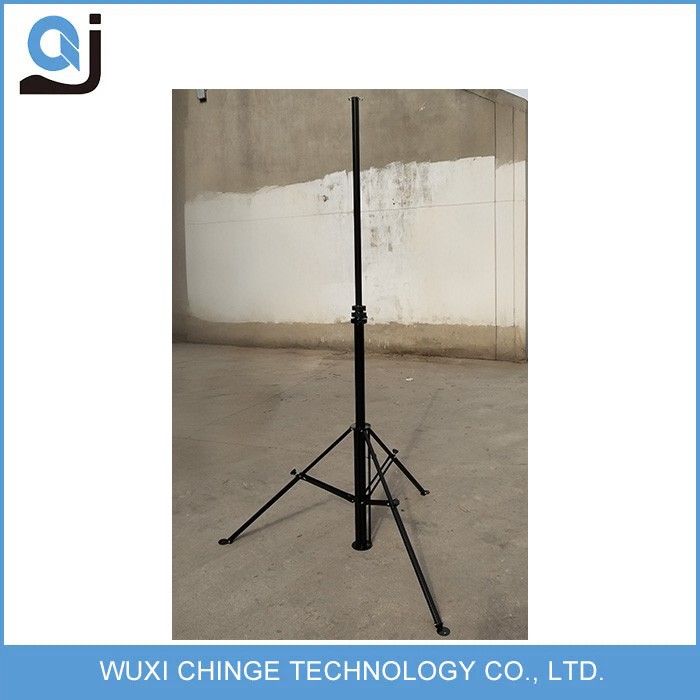

- Greases: Greases are thick, semi - solid lubricants that are ideal for winches. They adhere well to the components, providing long - lasting lubrication. Look for a high - quality, extreme - pressure (EP) grease that can withstand the heavy loads and high pressures encountered during pole winching. EP greases contain additives that form a protective film on the metal surfaces, reducing friction and preventing metal - to - metal contact.
- Oils: Oils are more fluid than greases and are suitable for winches with fine gears or those that require a more precise lubrication. For winches with complex gear systems, a synthetic oil with good anti - wear and anti - corrosion properties is often recommended. However, oils may require more frequent application compared to greases.
Preparation Before Lubrication
Before you start lubricating the winch, it's important to take some preparatory steps to ensure a safe and effective process.
- Safety First: Always disconnect the winch from its power source to prevent accidental activation. This could be unplugging an electric winch or disengaging the power transmission for a hydraulic or mechanical winch. Wear appropriate safety gear, including gloves and safety glasses, to protect yourself from any potential lubricant splashes or sharp edges on the winch.
- Inspection: Carefully inspect the winch for any signs of damage, such as cracks, loose parts, or excessive wear. If you notice any issues, address them before lubricating the winch. Also, clean the winch to remove any dirt, debris, or old lubricant that may have accumulated on the surface. You can use a soft brush and a mild solvent to clean the components. A clean winch ensures that the new lubricant can adhere properly and perform its function effectively.
Lubrication Process
Now that you've selected the right lubricant and prepared the winch, it's time to start the lubrication process. The following steps cover the main areas of a winch that require lubrication.
- Gearbox: The gearbox is one of the most critical components of a winch. It contains the gears that transfer power from the motor to the drum. To lubricate the gearbox, locate the fill and drain plugs. First, drain the old lubricant by removing the drain plug and allowing it to flow into a suitable container. Once the old lubricant has completely drained, clean the drain plug and reinstall it. Then, fill the gearbox with the recommended lubricant through the fill plug until it reaches the appropriate level. Refer to the winch's manual for the correct type and quantity of lubricant for the gearbox.
- Drum and Cable: The drum and the cable are in constant contact during winching operations. Apply a thin layer of lubricant to the drum surface to reduce friction between the drum and the cable. This helps to prevent the cable from wearing out prematurely and also reduces the stress on the winch motor. For the cable, you can either use a cable - specific lubricant or the same lubricant used for the drum. Use a brush or a cloth to apply the lubricant evenly along the entire length of the cable. Make sure to work the lubricant into the strands of the cable for maximum protection.
- Bearings: The bearings in the winch support the rotating parts and allow them to move smoothly. Locate the bearing housings and remove the grease fittings or covers. Use a grease gun to inject the appropriate amount of grease into each bearing. You'll know the bearing is properly lubricated when you see a small amount of fresh grease挤出 from the bearing seals. Wipe off any excess grease to prevent it from attracting dirt.
- Clutch and Brake Mechanisms: The clutch and brake mechanisms are essential for controlling the winch operation. Lubricate these components according to the manufacturer's instructions. Some clutches and brakes may require a specific type of lubricant or a light - weight oil. Apply the lubricant carefully to the moving parts of the clutch and brake, taking care not to get any on the friction surfaces.
Post - Lubrication Checks
After lubricating the winch, it's important to perform some checks to ensure that everything is in working order.
- Re - inspection: Inspect the winch again to make sure that all the plugs and covers are properly reinstalled. Check for any signs of lubricant leaks, which could indicate a problem with the seals or gaskets.
- Test Run: Reconnect the winch to its power source and perform a test run. Operate the winch slowly, both in the raising and lowering directions, and observe its performance. Listen for any unusual noises, such as grinding or squeaking, which could indicate improper lubrication or other issues. If you notice any problems, stop the winch immediately and investigate the cause.
Our Winch Up Pole Products
As a supplier, we offer a wide range of winch up pole solutions to meet different needs. Whether you're looking for a Motorized Telescopic Mast, a Push Up Pole Mast, or a Steel Telescopic Winch Mast, we have the right product for you. Our products are designed with high - quality materials and advanced technology to ensure reliability and performance.
Conclusion
Proper lubrication is a simple yet crucial step in maintaining a winch used for winching up poles. By following the steps outlined in this blog, you can ensure that your winch operates smoothly, lasts longer, and reduces the risk of downtime. If you have any questions about winch maintenance or are interested in our winch up pole products, feel free to reach out for a discussion. We're here to provide you with the best solutions and support.
References
- Winch Manufacturer's Manuals
- Industry Standards for Winch Maintenance