


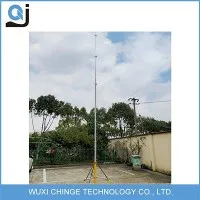

Alright, folks! As a supplier of manual telescopic masts, I've seen firsthand how crucial it is to have a well - designed mast for top - notch performance. In this blog, I'm gonna share some tips on how to optimize the design of a manual telescopic mast.
1. Material Selection
The first thing we need to talk about is the material. The choice of material can make or break the performance of your mast. You want something that's strong yet lightweight. Aluminum is a great choice. It's corrosion - resistant, which means your mast can withstand different weather conditions without getting damaged easily. Steel is another option, but it's heavier. If you need a mast for a stationary application where weight isn't a big concern, steel might be okay. But for portable setups, aluminum is the way to go.
Let's say you're using your mast for outdoor events like concerts or sports games. You'll be moving it around a lot, so a lightweight aluminum mast will be much easier to handle. You can check out our Portable Telescoping Mast which is made of high - quality aluminum. It's built to last and easy to transport.

2. Section Design
The design of the mast sections also plays a huge role. You want to make sure the sections fit together smoothly. A tight fit is important to prevent wobbling when the mast is extended. But at the same time, it shouldn't be so tight that it's difficult to extend and retract the mast manually.
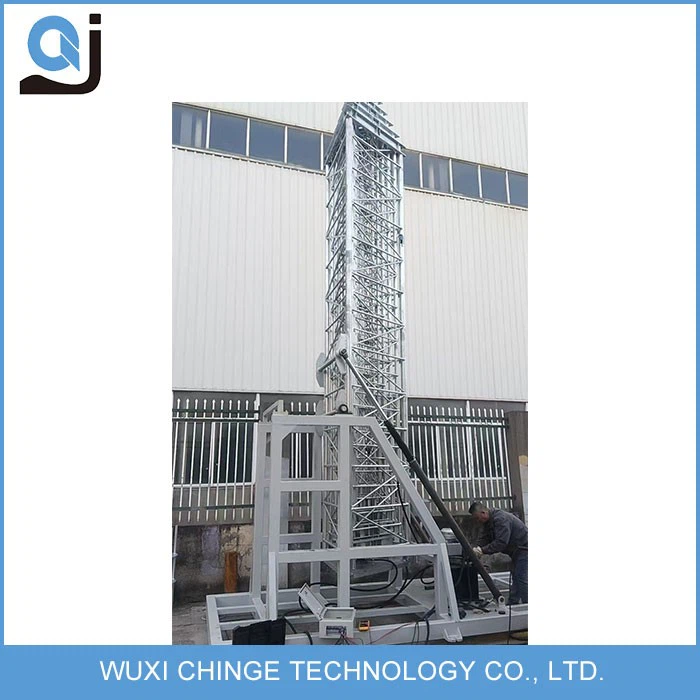
We use a precision - engineered design for our mast sections. The inner sections are carefully crafted to slide in and out of the outer sections with minimal friction. This not only makes it easier to operate the mast but also increases its lifespan. For example, our Telescopic Winch Up Mast - 5m Extended Length has sections that are designed to work in harmony. The winch mechanism helps in smoothly extending and retracting the mast, and the well - designed sections ensure stability at full height.
3. Locking Mechanism
A good locking mechanism is essential for a manual telescopic mast. You need a way to keep the mast in place once it's extended to the desired height. There are different types of locking mechanisms available, such as pin - type locks and clamp - type locks.
Pin - type locks are simple and reliable. They work by inserting a pin through holes in the mast sections to hold them in place. Clamp - type locks, on the other hand, use a clamping force to secure the sections together. We've found that a combination of both can provide the best results. Our masts are equipped with a hybrid locking system that gives you the security of a pin - type lock and the adjustability of a clamp - type lock. This ensures that the mast stays firmly in place, even in windy conditions.
4. Base Design
The base of the mast is what keeps it stable. A poorly designed base can cause the mast to tip over, which is a big safety hazard. You want a base that's wide and heavy enough to provide a solid foundation.
For our China COW Cell On Wheels, we've designed a special base. It's mounted on wheels for easy mobility, but it also has a wide footprint to ensure stability. The base is made of a sturdy material that can support the weight of the extended mast and any equipment attached to it.
5. Load - Bearing Capacity
When designing a manual telescopic mast, you need to consider its load - bearing capacity. This is the maximum weight the mast can support at different heights. You need to make sure the mast can handle the weight of the equipment you're going to attach to it, such as cameras, antennas, or lights.
We calculate the load - bearing capacity of our masts carefully. We use advanced engineering techniques to determine how much weight each mast can support at various extension lengths. This way, you can be confident that your mast won't fail under the weight of your equipment.
6. Ease of Use
Let's face it, if a mast is too difficult to use, no one's gonna want to buy it. That's why ease of use is a key factor in the design. The mast should be easy to set up and take down. It should also be easy to operate the extension and retraction mechanism.
Our masts are designed with the user in mind. We've simplified the setup process as much as possible. You don't need any special tools or skills to operate our masts. Just follow the simple instructions, and you'll have your mast up and running in no time.
7. Maintenance and Durability
A good design also takes into account maintenance and durability. You want a mast that's easy to maintain and will last for a long time. This means using high - quality materials and designing the mast in a way that it can withstand normal wear and tear.
We recommend regular inspections of your mast. Check for any signs of damage, such as cracks or dents. If you notice any issues, you can easily replace the damaged parts. Our masts are built to last, but like any piece of equipment, they need a little TLC to keep them in top shape.
8. Customization
Not all customers have the same needs. That's why we offer customization options for our manual telescopic masts. Whether you need a mast with a specific height, load - bearing capacity, or locking mechanism, we can work with you to create a mast that meets your requirements.
If you're in the market for a manual telescopic mast, don't hesitate to get in touch with us. We're here to help you find the perfect mast for your needs. Our team of experts can answer all your questions and guide you through the purchasing process. So, if you're looking for a high - performance, well - designed manual telescopic mast, give us a shout and let's start the conversation!
References
- Engineering Principles of Telescopic Structures, John Wiley & Sons
- Handbook of Material Selection for Outdoor Equipment, McGraw - Hill