


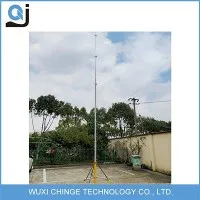


As a seasoned supplier of manual telescopic masts, I've witnessed firsthand the importance of maintaining and replacing parts of these versatile structures. Manual telescopic masts are widely used in various industries, including telecommunications, surveillance, lighting, and emergency response, due to their portability, ease of use, and ability to reach significant heights. However, like any mechanical device, they require regular maintenance and occasional part replacement to ensure optimal performance and longevity. In this blog post, I'll share some valuable insights on how to replace parts of a manual telescopic mast.
Understanding Your Manual Telescopic Mast
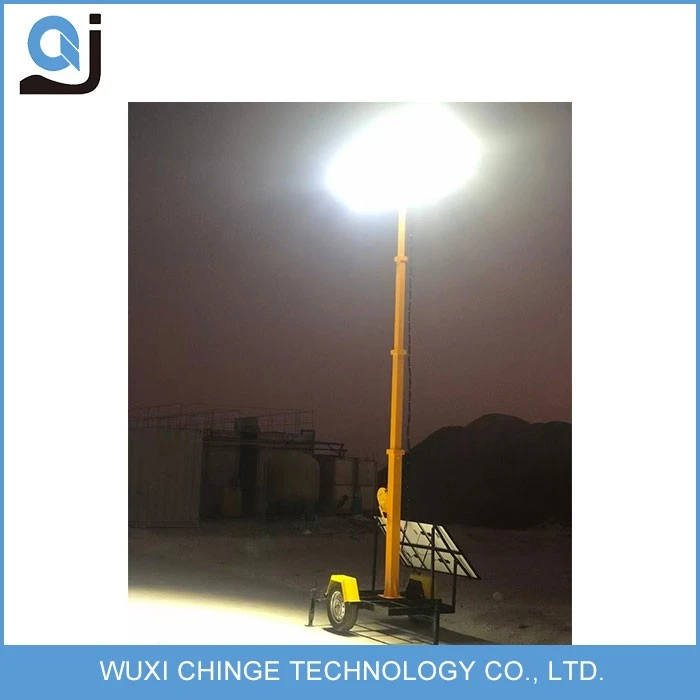
Before you start replacing parts, it's crucial to have a thorough understanding of your manual telescopic mast. Different types of masts, such as Telescopic Lighting Mast, Crank Up Mast, and Telescopic Winch Up Mast - 5m Extended Length, may have unique designs and components. Familiarize yourself with the mast's user manual, which typically contains detailed information about its structure, parts, and maintenance procedures. Pay attention to the mast's height, weight capacity, and the materials used in its construction, as these factors can influence the type of replacement parts you need.
Identifying the Faulty Parts
The first step in replacing parts of a manual telescopic mast is to identify the faulty components. Common issues with manual telescopic masts include damaged cables, worn-out pulleys, broken winches, and bent or corroded mast sections. To diagnose the problem, carefully inspect the mast for any visible signs of damage, such as cracks, dents, or rust. Check the cables for fraying or excessive wear, and ensure that the pulleys rotate smoothly. Operate the mast to see if it extends and retracts properly, and listen for any unusual noises or resistance. If you're unsure about the source of the problem, it's best to consult a professional technician or contact our support team for assistance.
Gathering the Necessary Tools and Parts
Once you've identified the faulty parts, it's time to gather the necessary tools and replacement components. The tools you'll need may vary depending on the specific mast and the parts you're replacing, but some common tools include wrenches, pliers, screwdrivers, and a cable cutter. Make sure you have the correct size and type of tools for the job to avoid damaging the mast or the parts.
When it comes to replacement parts, it's essential to use high-quality components that are compatible with your manual telescopic mast. As a supplier, we offer a wide range of genuine replacement parts for our masts, ensuring a perfect fit and optimal performance. You can also find replacement parts from other reputable manufacturers, but make sure to verify their compatibility with your mast before making a purchase.
Replacing the Parts
Now that you have all the necessary tools and parts, it's time to start the replacement process. Here are the general steps to follow when replacing parts of a manual telescopic mast:
- Safety First: Before you begin working on the mast, make sure it's fully retracted and secured in a stable position. Wear appropriate safety gear, such as gloves and safety glasses, to protect yourself from any potential hazards.
- Remove the Old Parts: Use the appropriate tools to remove the faulty parts from the mast. This may involve loosening bolts, nuts, or screws, or cutting cables. Be careful not to damage any other components while removing the old parts.
- Install the New Parts: Carefully install the new parts in the same position as the old ones. Make sure they're properly aligned and tightened to the correct torque specifications. If you're replacing a cable, make sure it's routed correctly and secured tightly.
- Test the Mast: Once you've installed all the new parts, test the mast to ensure it's working properly. Extend and retract the mast several times to make sure it moves smoothly and without any issues. Check the cables, pulleys, and winch to make sure they're all functioning correctly.
- Inspect and Clean: After testing the mast, inspect it again for any signs of damage or wear. Clean the mast and all its components to remove any dirt, debris, or rust. Apply a protective coating to the mast to prevent corrosion and extend its lifespan.
Maintenance Tips for Manual Telescopic Masts
To keep your manual telescopic mast in good working condition and minimize the need for part replacement, it's important to follow a regular maintenance schedule. Here are some maintenance tips to help you extend the lifespan of your mast:
- Inspect the Mast Regularly: Conduct visual inspections of the mast at least once a month to check for any signs of damage, wear, or corrosion. Pay special attention to the cables, pulleys, winch, and mast sections.
- Lubricate Moving Parts: Apply a high-quality lubricant to the moving parts of the mast, such as the pulleys, winch, and joints, to reduce friction and wear. Follow the manufacturer's recommendations for the type and frequency of lubrication.
- Keep the Mast Clean: Clean the mast regularly to remove any dirt, debris, or rust. Use a mild detergent and water to clean the mast, and avoid using abrasive cleaners or tools that could damage the surface.
- Store the Mast Properly: When not in use, store the mast in a dry, protected area to prevent corrosion and damage. Make sure the mast is fully retracted and secured to prevent it from tipping over.
Contact Us for Your Manual Telescopic Mast Needs
If you're in the market for a new manual telescopic mast or need replacement parts for your existing mast, we're here to help. As a leading supplier of manual telescopic masts, we offer a wide range of high-quality products and exceptional customer service. Whether you need a Telescopic Lighting Mast, Crank Up Mast, or Telescopic Winch Up Mast - 5m Extended Length, we have the expertise and resources to meet your needs. Contact us today to learn more about our products and services and to discuss your specific requirements. We look forward to working with you!

References
- Manual telescopic mast user manuals provided by the manufacturer.
- Industry best practices for maintenance and repair of mechanical equipment.