




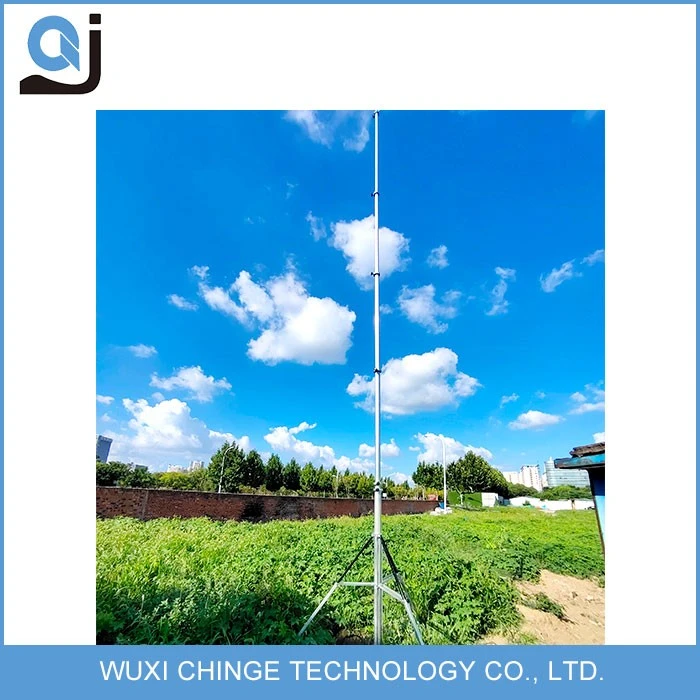
Storing a mast after cranking it up is a crucial step that ensures its longevity and functionality. As a trusted supplier of crank up masts, I understand the significance of proper storage. In this blog, I will share valuable insights on how to store a mast effectively, catering to different types of masts such as the Motorized Telescoping Antenna Mast, Hand Push Up Telescopic Mast, and Electric Telescopic Mast.
Preparation Before Storage
Before storing your mast, it is essential to conduct a thorough inspection. Check for any signs of damage, such as dents, scratches, or corrosion. If you notice any issues, address them promptly to prevent further deterioration during storage. Cleaning the mast is also a vital step. Remove any dirt, debris, or contaminants that may have accumulated on the surface. Use a mild detergent and a soft cloth to gently clean the mast, paying special attention to the joints and moving parts.
For masts with electrical components, such as the Motorized Telescoping Antenna Mast and Electric Telescopic Mast, ensure that the power is disconnected. This prevents any potential electrical hazards and protects the components from damage. Additionally, if the mast has any attached accessories or antennas, carefully remove them. Store these items separately in a safe place to avoid misplacement or damage.
Choosing the Right Storage Location
Selecting an appropriate storage location is key to preserving the quality of your mast. Ideally, the storage area should be dry, clean, and well - ventilated. Moisture is one of the biggest enemies of masts, as it can lead to rust and corrosion. Avoid storing the mast in areas prone to flooding or high humidity, such as basements without proper ventilation.
If possible, store the mast indoors. A garage, shed, or storage facility provides protection from the elements, including rain, snow, and direct sunlight. Sunlight can cause the mast's finish to fade and may weaken certain materials over time. However, if indoor storage is not an option, you can use a high - quality waterproof cover to protect the mast from the weather.
Storage Methods for Different Types of Masts
Motorized Telescoping Antenna Mast
The Motorized Telescoping Antenna Mast is a sophisticated piece of equipment that requires careful handling during storage. First, fully retract the mast to its shortest length. This reduces the risk of damage to the telescopic sections and makes it easier to store. Once retracted, secure the mast in an upright position if possible. You can use a mast stand or a custom - made storage rack to keep it stable.
If you need to store the mast horizontally, make sure it is placed on a flat and even surface. Use padding or foam to cushion the mast and prevent any pressure points that could cause dents or damage. Check the motor and electrical connections regularly to ensure they are in good condition.
Hand Push Up Telescopic Mast
The Hand Push Up Telescopic Mast is relatively simpler in design but still needs proper storage. Similar to the motorized version, retract the mast completely. You can then store it in a corner or against a wall. To prevent it from tipping over, secure it with straps or brackets.
If you have limited space, the hand - push - up mast can be disassembled into its individual sections. This makes it easier to store in a smaller area. Label each section to ensure easy reassembly when needed.
Electric Telescopic Mast
The Electric Telescopic Mast combines the features of both the motorized and telescopic designs. Before storage, follow the same steps as for the Motorized Telescoping Antenna Mast. Retract the mast, disconnect the power, and clean the electrical components.
When storing the electric telescopic mast, protect the control panel and wiring from damage. You can use a plastic cover or a padded case to shield these sensitive parts. Store the mast in a location where it will not be bumped or knocked over, as this could damage the internal components.
Maintaining the Mast During Storage
Even during storage, regular maintenance is necessary to keep the mast in good condition. Inspect the mast periodically, at least once every few months. Check for any signs of rust, corrosion, or mechanical wear. If you notice any issues, address them immediately.
Lubricate the moving parts, such as the telescopic joints and hinges, with a suitable lubricant. This helps to prevent friction and ensures smooth operation when the mast is used again. For masts with electrical components, test the functionality of the motor and controls every few months to detect any potential problems early.
Long - Term Storage Considerations
If you plan to store the mast for an extended period, additional precautions are required. For example, apply a protective coating to the mast to prevent rust and corrosion. There are various rust - preventive sprays and paints available on the market that can provide long - lasting protection.
Store any spare parts, such as replacement bolts, nuts, or gaskets, in a separate container. Label the container clearly so that you can easily find the parts when needed. Keep a record of the mast's maintenance history, including the date of the last inspection, cleaning, and lubrication. This information will be valuable when it comes time to use the mast again.

Conclusion
Properly storing a mast after cranking it up is essential for its long - term performance and durability. By following the steps outlined in this blog, you can ensure that your Motorized Telescoping Antenna Mast, Hand Push Up Telescopic Mast, or Electric Telescopic Mast remains in excellent condition.
If you are in the market for a high - quality crank up mast or need more information on storage and maintenance, I invite you to contact me. I am committed to providing the best products and services to meet your needs. Whether you are a professional installer, a hobbyist, or a business owner, I can help you find the perfect mast for your application.
References
- Industry standards for mast storage and maintenance.
- Manufacturer's guidelines for Motorized Telescoping Antenna Mast, Hand Push Up Telescopic Mast, and Electric Telescopic Mast.