


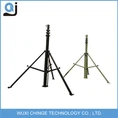
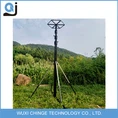


Transporting a large - scale telescopic aerial mast can be a real challenge, but don't worry! As a telescopic aerial mast supplier, I've got plenty of experience in this area and I'm here to share some tips with you.
1. Pre - transport Preparation
Before you even think about moving that big telescopic mast, you need to do some prep work. First off, check the mast thoroughly. Look for any signs of damage, like cracks or bent parts. If you find anything, it's better to fix it before transport to avoid further problems.
Next, measure the mast carefully. You need to know its exact length, width, and height. This info is crucial when it comes to choosing the right transport vehicle. Also, figure out its weight. A large - scale telescopic aerial mast can be pretty heavy, and you don't want to overload the transport truck.
Disassemble the mast if possible. Most telescopic masts can be taken apart into smaller sections. This makes it much easier to handle and transport. Just make sure to keep all the parts organized and label them properly. That way, you won't have a headache when it's time to put it back together.


2. Choosing the Right Transport Vehicle
The type of vehicle you choose depends on the size and weight of the mast. For smaller telescopic masts, a pickup truck or a small trailer might do the job. But for large - scale ones, you'll probably need a flatbed truck. Flatbed trucks are great because they offer a large, open space to load the mast.
When selecting a truck, pay attention to its weight capacity. You don't want to push it to the limit. It's always better to have some extra capacity in case there are any unexpected additions, like packaging materials.
Also, consider the length of the truck bed. It should be long enough to accommodate the mast or its disassembled parts without overhanging too much. Overhanging can be dangerous on the road and might even lead to legal issues.
3. Packaging the Mast
Proper packaging is essential to protect the mast during transport. Start by wrapping the mast with protective materials, like foam or bubble wrap. This helps to cushion it against bumps and vibrations.
If the mast has any delicate parts, such as electronic components or antennas, give them extra protection. You can use custom - made cases or padded boxes to keep them safe.
Once the mast is wrapped, secure it with straps or ropes. Make sure they are tight enough to prevent the mast from moving around during transport but not so tight that they damage the mast. You can use ratchet straps for a more secure hold.
4. Loading the Mast
Loading the mast onto the transport vehicle requires careful planning and the right equipment. If the mast is too heavy to lift manually, use a forklift or a crane. These tools can make the loading process much easier and safer.
When loading, place the mast on the vehicle in a stable position. Try to distribute the weight evenly to prevent the truck from becoming unbalanced. If the mast has multiple sections, arrange them in an orderly way so that they don't shift during transit.
After loading, double - check all the straps and ropes to make sure they are still secure. And don't forget to put any loose parts in a safe place on the truck.
5. Securing the Load
Securing the load is one of the most important steps in transporting a telescopic aerial mast. Use multiple tie - down points to hold the mast firmly in place. You can attach the straps to the anchor points on the truck bed.
Make sure the straps are crossed in a way that prevents the mast from moving forward, backward, or side - to - side. Check the tension of the straps regularly during loading to ensure they are tight enough.
In addition to straps, you can also use blocks or wedges to support the mast and prevent it from rolling. Place them at strategic points along the mast.
6. Transporting on the Road
During the journey, drive carefully. The large size of the telescopic mast can affect the handling of the vehicle. Be aware of your speed and braking distance. Avoid sudden stops and starts, as they can cause the mast to shift and potentially get damaged.
Watch out for low - clearance areas, like bridges and overpasses. Make sure you know the height of your load and choose a route that has enough clearance. You can use GPS systems that offer route planning for oversized loads.
Also, keep an eye on the weather conditions. Strong winds, heavy rain, or snow can make the transport more difficult and dangerous. If possible, avoid transporting the mast during extreme weather.
7. Unloading and Reassembly
Once you reach your destination, it's time to unload the mast. Use the same equipment you used for loading, like a forklift or a crane. Unload the parts carefully and place them in a safe area.
When it's time to reassemble the mast, refer to the labels you made during disassembly. Follow the manufacturer's instructions step by step. Make sure all the connections are tight and secure.
After reassembly, test the mast to make sure it works properly. Check for any signs of damage that might have occurred during transport.
Our Products
As a telescopic aerial mast supplier, we offer a wide range of products. You can check out our Electric Telescoping Mast, which is powered by electricity and provides easy operation. Our Motorized Telescopic Mast is another great option, offering smooth and efficient extension. And if you're looking for a more manual solution, our 30ft Hand Push Up Antenna Mast is a reliable choice.
If you're interested in purchasing any of our telescopic aerial masts or need more information about transport and installation, feel free to reach out. We're here to help you with all your telescopic mast needs.
References
- Industry standards for transporting large - scale equipment.
- Manufacturer's guidelines for telescopic aerial masts.