




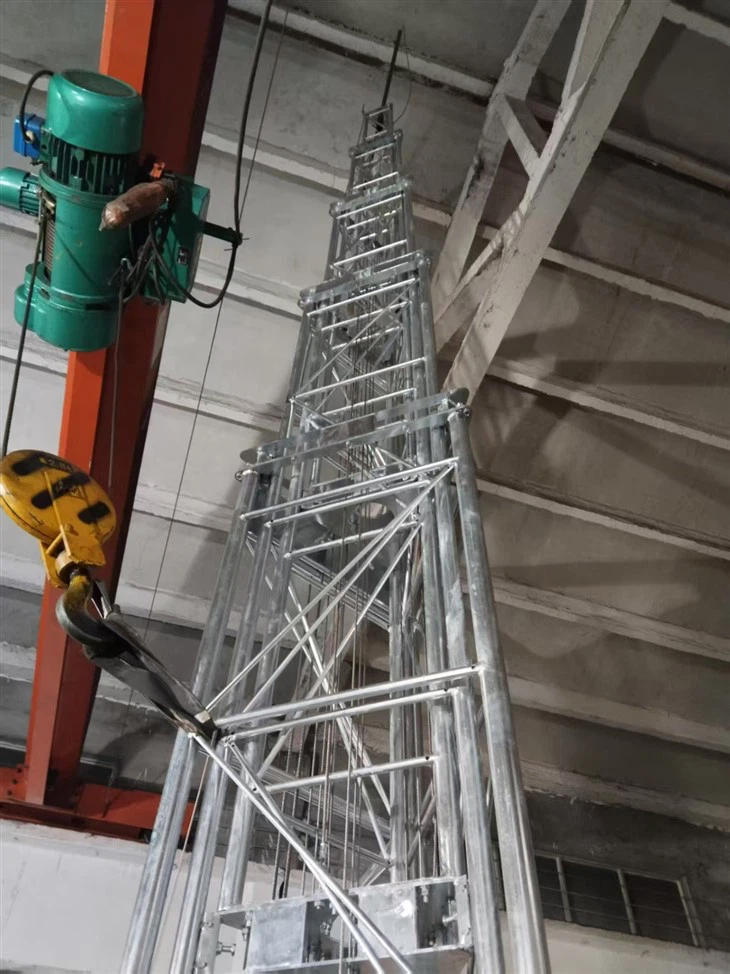
Troubleshooting common problems with a telescopic radio tower is an essential skill for anyone who uses or maintains these structures. As a leading supplier of Telescopic Radio Tower, Telescopic Antenna Tower, and Light Weight Harm Radio Tower, we understand the importance of ensuring that your telescopic radio tower operates smoothly. In this blog post, we will discuss some of the most common issues that you may encounter with a telescopic radio tower and provide practical solutions to resolve them.
1. Difficulty in Extension and Retraction
One of the most frequent problems users face is the tower's inability to extend or retract properly. This can be caused by several factors, including mechanical obstructions, lack of lubrication, or damage to the telescopic sections.
Mechanical Obstructions
Foreign objects such as dirt, debris, or small stones can get stuck between the telescopic sections, preventing smooth movement. To address this issue, carefully inspect the tower for any visible obstructions. Use a soft brush or compressed air to remove dirt and debris from the joints and tracks. If there are larger objects stuck, gently try to dislodge them using non - abrasive tools.
Lack of Lubrication
Over time, the lubricant on the telescopic sections may wear off, leading to increased friction and difficulty in movement. Apply a high - quality lubricant specifically designed for metal components to the telescopic parts. Make sure to cover all the moving surfaces evenly. This will reduce friction and allow the tower to extend and retract more smoothly.
Damage to Telescopic Sections
If the telescopic sections are bent, dented, or otherwise damaged, it can severely affect the tower's ability to function. In such cases, a visual inspection is crucial. If the damage is minor, it may be possible to straighten the section using appropriate tools. However, for more significant damage, it is recommended to replace the damaged section. As a supplier, we offer a wide range of replacement parts to ensure that your tower can be quickly restored to full functionality.
2. Poor Signal Reception
Another common problem with telescopic radio towers is poor signal reception. This can be due to antenna issues, tower height, or environmental factors.
Antenna Issues
The antenna is a critical component for signal reception. If the antenna is damaged, misaligned, or not properly connected, it can lead to weak or no signal. Check the antenna for any visible signs of damage, such as broken elements or loose connections. Make sure the antenna is securely attached to the tower and that all cables are properly connected. If the antenna is damaged beyond repair, replace it with a compatible model.
Tower Height
The height of the tower plays a significant role in signal reception. A tower that is not extended to its full height may not provide optimal signal strength. Ensure that the tower is fully extended to the recommended height for your specific application. In some cases, you may need to adjust the height based on the location and the surrounding terrain.
Environmental Factors
Environmental conditions such as tall buildings, trees, or electromagnetic interference can also affect signal reception. Try to reposition the tower to a more open area away from potential sources of interference. If possible, use signal boosters or repeaters to enhance the signal strength.
3. Stability Problems
A telescopic radio tower needs to be stable to function correctly and safely. Instability can be caused by improper installation, uneven ground, or damaged base components.
Improper Installation
If the tower is not installed correctly, it may not be stable. Follow the manufacturer's installation instructions carefully. Make sure all the bolts and fasteners are tightened properly, and the tower is level. If you are unsure about the installation process, our technical support team can provide guidance to ensure a proper setup.
Uneven Ground
An uneven ground surface can cause the tower to tilt or sway, leading to instability. Before installing the tower, prepare a flat and level surface. You can use shims or leveling pads to adjust the tower's position and ensure it is stable. In some cases, you may need to create a more permanent foundation, such as a concrete pad, for better stability.
Damaged Base Components
The base of the tower is crucial for its stability. Check the base components for any signs of damage, such as cracks or bent parts. If the base is damaged, it may need to be repaired or replaced. We offer a variety of base options and replacement parts to ensure the stability of your tower.
4. Electrical Issues
Electrical problems can occur in telescopic radio towers, especially if they are equipped with power - operated features or electrical connections for the antenna.
Loose or Damaged Wiring
Inspect all the electrical wiring for any signs of damage, such as frayed wires or loose connections. Tighten any loose connections and replace any damaged wires. Make sure to follow proper electrical safety procedures when working with the wiring.

Power Supply Problems
If the tower has power - operated functions, such as motorized extension, check the power supply. Ensure that the power source is providing the correct voltage and that the power cord is in good condition. If there are issues with the power supply, troubleshoot the source or consult an electrician if necessary.
5. Corrosion
Telescopic radio towers are often exposed to the elements, making them susceptible to corrosion. Corrosion can weaken the tower's structure and affect its performance.
Regular Inspection
Perform regular inspections of the tower for any signs of corrosion, such as rust or discoloration. Pay special attention to areas that are more prone to corrosion, such as joints and areas exposed to moisture.
Protective Coatings
Apply a protective coating to the tower to prevent corrosion. There are various types of coatings available, such as paint or galvanized coatings. Choose a coating that is suitable for the tower's material and the environmental conditions it will be exposed to.
Corrosion Repair
If corrosion is detected, it should be addressed promptly. Use a wire brush or sandpaper to remove the rust, and then apply a rust - inhibiting primer and a protective topcoat. For severe corrosion, it may be necessary to replace the affected parts.
Conclusion
Troubleshooting common problems with a telescopic radio tower requires a systematic approach and a basic understanding of the tower's components and functions. By following the steps outlined in this blog post, you can effectively identify and resolve many of the issues that you may encounter. As a leading supplier of Telescopic Radio Tower, Telescopic Antenna Tower, and Light Weight Harm Radio Tower, we are committed to providing high - quality products and excellent customer support. If you have any further questions or need assistance with troubleshooting or purchasing replacement parts, please feel free to contact us. We look forward to helping you keep your telescopic radio tower in optimal condition.
References
- Industry standards for telescopic radio tower maintenance.
- Manufacturer's manuals for telescopic radio towers.