




Hey there, fellow mast enthusiasts! As a supplier of crank up masts, I've seen my fair share of issues when it comes to getting these bad boys up and running. In this blog post, I'm gonna share some tips on how to troubleshoot those pesky problems that might pop up when you're trying to crank up your mast.
1. Check the Power Source
The first thing you gotta do when you're having trouble cranking up your mast is to check the power source. Whether you're using a manual crank or an electric motor, a lack of power can really put a damper on your plans.
If you're using an electric motor, make sure the battery is fully charged. A weak battery can cause the motor to run slowly or not at all. You can use a voltmeter to check the battery voltage. If it's below the recommended level, charge it up or replace it if necessary.
For manual cranks, make sure there's no obstruction in the crank mechanism. Sometimes, dirt or debris can get stuck in the gears, making it difficult to turn the crank. You can use a clean cloth to wipe away any dirt and apply some lubricant to the moving parts.
2. Inspect the Mast Structure
The next step is to take a good look at the mast structure itself. Look for any signs of damage, such as cracks, bends, or loose fittings. A damaged mast can not only be difficult to crank up but also pose a safety hazard.
If you notice any cracks or bends, it's best to replace the affected parts. You can find replacement parts for Telescopic Aluminum Mast on our website. Make sure to follow the manufacturer's instructions when replacing parts to ensure proper installation.
Check all the fittings and connections to make sure they're tight. Loose fittings can cause the mast to wobble or not extend properly. Use a wrench to tighten any loose bolts or nuts.
3. Examine the Winch System
If your mast uses a winch system, the winch is another area to focus on. First, check the winch cable for any signs of wear or damage. A frayed or broken cable can cause the winch to malfunction. If you notice any issues with the cable, replace it immediately.
Make sure the winch is properly lubricated. A dry winch can be difficult to operate and may cause unnecessary wear on the components. Apply a suitable lubricant to the winch gears and moving parts according to the manufacturer's recommendations.
Also, check the winch drum to ensure the cable is wound evenly. If the cable is unevenly wound, it can cause the winch to jam or not function smoothly. You may need to unwind the cable and re - wind it carefully. For more information on winch up masts, check out our Winch Up Mast page.
4. Look at the Extension Mechanism
For telescopic masts, the extension mechanism is crucial. If the mast isn't extending properly, there could be an issue with the internal components.
Check for any blockages in the telescopic sections. Sometimes, debris or dirt can get trapped between the sections, preventing smooth extension. You can use compressed air or a small brush to clean out any debris.
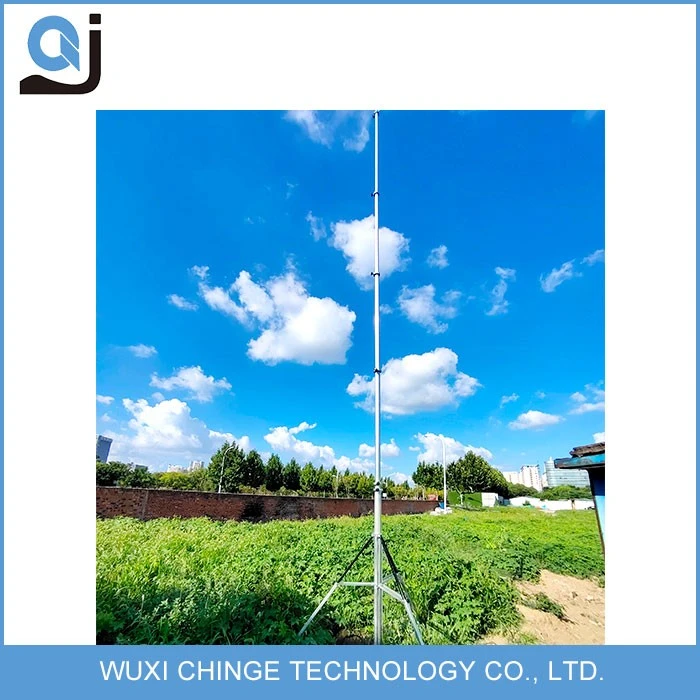
Inspect the locking mechanisms that hold the telescopic sections in place. Make sure they're working correctly and engaging properly. If the locking mechanisms are faulty, the mast may not stay extended or may collapse unexpectedly. Our Telescopic Aerial Mast has a reliable extension mechanism, but like any product, it may need some maintenance from time to time.

5. Test the Controls
If your mast has electronic controls, test them to make sure they're working properly. Check all the buttons, switches, and sensors. A faulty control can prevent the mast from cranking up or cause it to operate erratically.
If you're using a remote control, make sure the batteries are fresh and the signal is strong. Sometimes, interference from other electronic devices can affect the remote control's performance. Try moving away from other electronics and see if the problem persists.
6. Consult the Manual
If you've gone through all the above steps and still can't figure out what's wrong, don't panic. The mast's user manual is your best friend. It contains detailed troubleshooting guides and specifications that can help you diagnose and fix the problem.
The manual will also provide information on the proper maintenance schedule and procedures for your specific mast model. Make sure to keep the manual in a safe place and refer to it whenever you have questions or encounter issues.
Conclusion
Troubleshooting issues when cranking up a mast can be a bit of a headache, but with the right approach, you can usually get things back on track. By checking the power source, inspecting the mast structure, examining the winch system, looking at the extension mechanism, testing the controls, and consulting the manual, you can identify and fix most common problems.
If you're still having trouble or if you're interested in purchasing a new crank up mast, we're here to help. Our team of experts can provide you with more in - depth advice and assistance. Whether you need a Telescopic Aluminum Mast, a Winch Up Mast, or a Telescopic Aerial Mast, we have a wide range of high - quality products to meet your needs. Don't hesitate to reach out to us for more information and to start the procurement discussion.
References
- Mast manufacturer's user manuals
- Industry best practices for mast maintenance and troubleshooting