




Winching up a pole might seem like a straightforward task, but it's actually a job that demands careful planning and execution to ensure safety. As a winch up pole supplier, I've seen firsthand the importance of following proper procedures. In this blog, I'll share some tips on how to winch up a pole safely.

Pre - winching Preparations
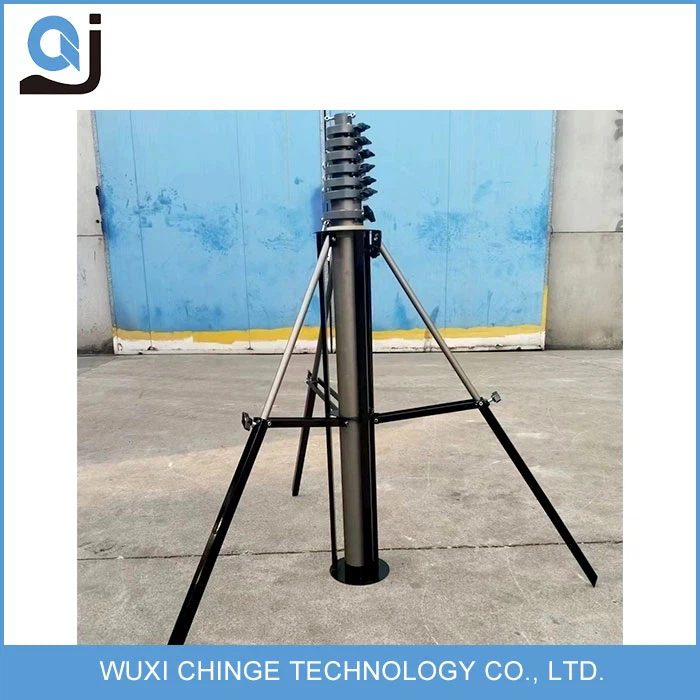
Before you even think about firing up the winch, there are a bunch of things you need to take care of. First off, you've got to pick the right pole for the job. We offer a variety of poles, like the Portable Telescopic Mast, Telescopic Aluminum Mast, and Motorized Telescopic Mast. Each has its own unique features and is suitable for different applications.
The Portable Telescopic Mast is great for when you need to move the pole around a lot. It's lightweight and easy to set up, making it a popular choice for events and temporary installations. The Telescopic Aluminum Mast, on the other hand, is known for its durability and strength. It can withstand harsh weather conditions and is often used in outdoor settings. And if you're looking for something that can be adjusted quickly and easily, the Motorized Telescopic Mast is the way to go.
Once you've chosen the right pole, you need to inspect it thoroughly. Check for any signs of damage, such as cracks, dents, or rust. If you find any issues, don't use the pole. It's better to be safe than sorry. You should also make sure that all the components of the pole, like the winch, cables, and pulleys, are in good working condition.
Next, you need to select a suitable location for the pole. The ground should be level and stable. Avoid areas with soft soil, slopes, or obstacles. You also need to consider the surrounding environment. Make sure there are no power lines, buildings, or other objects that could interfere with the winching process.
Setting Up the Winch
Now that you've got the pole and the location sorted, it's time to set up the winch. The winch is the heart of the operation, so you need to make sure it's installed correctly. First, find a secure anchor point for the winch. This could be a heavy object, like a concrete block or a steel post, that is firmly embedded in the ground.
Attach the winch to the anchor point using a strong chain or cable. Make sure the connection is tight and secure. Then, run the winch cable through the pulleys on the pole. The pulleys help to guide the cable and reduce friction, making the winching process smoother.
Before you start winching, adjust the tension of the cable. You want the cable to be tight enough to lift the pole, but not so tight that it puts too much stress on the winch or the pole. You can use a tension gauge to measure the tension and make any necessary adjustments.
Winching Up the Pole
When you're ready to start winching, it's important to do it slowly and steadily. Don't try to rush the process, as this can lead to accidents. Have one person operate the winch while another person monitors the pole. The person operating the winch should keep an eye on the tension gauge and make sure the winch is not overloading.
As the pole starts to rise, the person monitoring the pole should check for any signs of instability. If the pole starts to lean or wobble, stop the winching immediately and make the necessary adjustments. You might need to add more support to the base of the pole or adjust the tension of the cables.
Keep in mind that the weight of the pole will increase as it gets higher. This means you need to be extra careful as you approach the vertical position. Once the pole is almost vertical, you can use guy wires to secure it in place. Guy wires are cables that are attached to the top of the pole and anchored to the ground. They help to prevent the pole from swaying or tipping over.
Post - winching Checks
After the pole is in place, don't just walk away. You need to do a final check to make sure everything is secure. Check the tension of the guy wires and make sure they are tight. Inspect the winch and the cables for any signs of wear or damage. If you find any issues, address them right away.
You should also test the stability of the pole. Try applying a little pressure to the pole to see how it responds. If it feels wobbly or unstable, you might need to add more support or adjust the guy wires.
Safety Tips
Throughout the whole process, safety should be your top priority. Here are some general safety tips to keep in mind:
- Always wear appropriate safety gear, such as hard hats, safety glasses, and gloves.
- Make sure all the equipment is properly maintained and inspected regularly.
- Follow the manufacturer's instructions for operating the winch and the pole.
- Keep bystanders away from the work area.
- If you're not sure about something, don't hesitate to ask for help.
Conclusion
Winching up a pole safely requires careful planning, proper equipment, and strict adherence to safety procedures. As a winch up pole supplier, we're here to help you every step of the way. Whether you need advice on choosing the right pole or assistance with the winching process, we've got you covered.
If you're interested in purchasing a winch up pole or have any questions about our products, feel free to reach out. We're always happy to have a chat and discuss your specific needs. Let's work together to ensure your next pole installation is a success.
References
- Industry standards for pole installation and winching safety
- Manufacturer's manuals for winches and poles