




Is it easy to set up a portable cell tower? This is a question that many in the telecommunications industry and those in need of rapid connectivity often ponder. As a supplier of portable cell towers, I've had the privilege of witnessing firsthand the ins and outs of deploying these crucial pieces of infrastructure. In this blog, I'll delve into the factors that determine the ease of setting up a portable cell tower and share insights from my experiences.
Understanding Portable Cell Towers
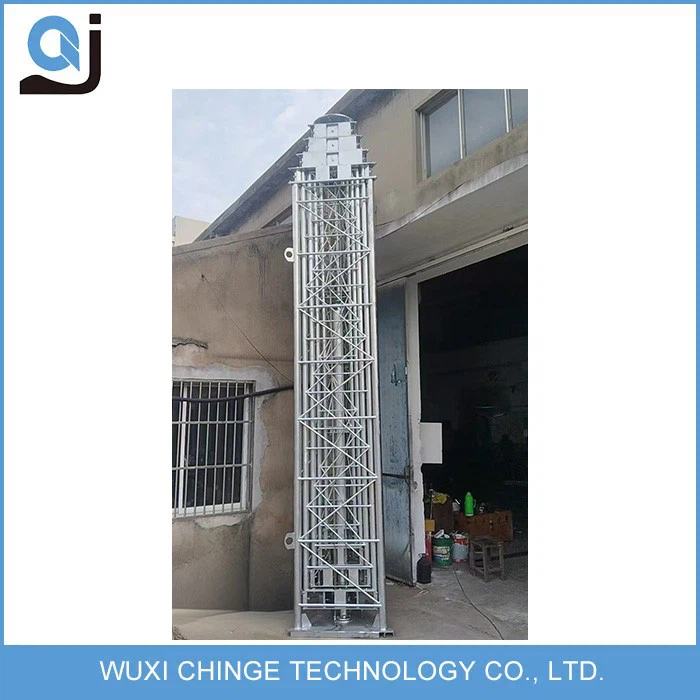
Before we jump into the setup process, let's briefly understand what a portable cell tower is. Portable cell towers, also known as mobile cell towers or cell on wheels (COW), are self - contained units designed to provide temporary or emergency cellular coverage. They can be quickly transported to a location and set up to meet the immediate communication needs of an area. There are different types available in the market, such as the 100ft Cell On Wheels (COW), Telescopic Radio Tower, and Portable Signal Tower. Each type has its unique features and is suitable for different scenarios.

Factors Affecting the Setup Ease
Design and Construction
One of the primary factors contributing to the ease of setup is the design and construction of the portable cell tower. Modern portable cell towers are engineered with simplicity in mind. They are modular in design, which means that they can be assembled using pre - fabricated components. For example, the telescopic radio tower can be easily extended to the desired height with minimal effort. The parts are often lightweight yet durable, making them easier to handle and transport. This modularity reduces the time and complexity involved in the setup process, as technicians can quickly connect the various components without the need for extensive on - site fabrication.
Mobility
The mobility of a portable cell tower is another critical factor. Most portable cell towers are mounted on trailers or trucks, allowing them to be easily transported to the desired location. This mobility gives them an edge over traditional fixed cell towers, which require long - term planning and construction. Once the tower reaches the site, it can be parked in a suitable location and quickly set up. However, it's important to note that the terrain and accessibility of the site can affect the ease of mobility. For example, setting up a tower in a remote area with rough terrain might require additional equipment or precautions to ensure that the tower can be safely transported and positioned.
Power Source
Power supply is a crucial aspect of setting up a portable cell tower. A reliable power source is needed to ensure that the tower can operate effectively. Many portable cell towers are equipped with their own power generation systems, such as generators or solar panels. Generators provide a consistent power supply but require fuel, which needs to be replenished regularly. Solar panels, on the other hand, are a more sustainable option but are dependent on sunlight. The ease of setting up the power source depends on the type of system used. For example, a generator can be quickly connected to the tower, but setting up a solar panel system might take a bit more time, especially if it involves mounting the panels and ensuring proper alignment.
Regulatory and Permitting Requirements
The regulatory and permitting requirements can significantly impact the ease of setting up a portable cell tower. Different regions have different rules and regulations regarding the installation of telecommunications infrastructure. Some areas might require special permits, environmental impact assessments, or compliance with local zoning laws. Obtaining these permits can be a time - consuming and complex process. As a portable cell tower supplier, we often work closely with our clients to ensure that they are aware of these requirements and provide them with the necessary documentation and support to navigate the permitting process.
The Setup Process
The setup process of a portable cell tower typically involves several steps. First, the tower needs to be transported to the site. As mentioned earlier, this can be relatively straightforward if the site is easily accessible. Once at the site, the tower needs to be leveled and stabilized. This ensures that it remains upright and secure during operation.
Next, the tower components are assembled. For a modular tower, this involves connecting the pre - fabricated sections together. This process is usually guided by a detailed set of instructions provided by the manufacturer. After the tower is assembled, the antennae and other communication equipment are installed. These need to be properly aligned to ensure optimal signal strength and coverage.
Finally, the power source is connected and tested. This includes ensuring that the generator is running smoothly or that the solar panels are producing enough power. Once the power is confirmed, the entire system is tested to ensure that it is functioning correctly and providing the desired cellular coverage.
Challenges in Setup
Despite the efforts made to simplify the setup process, there are still some challenges that can arise. As mentioned, regulatory requirements can be a major hurdle. Delays in obtaining permits can push back the setup schedule, especially in urgent situations where immediate connectivity is required.
Weather conditions can also have a significant impact on the setup process. Strong winds, heavy rain, or extreme temperatures can make it difficult or even dangerous to assemble the tower. In such cases, the setup might need to be postponed until the weather improves.
Technical issues can also occur during the setup. For example, a component might be damaged during transportation, or there could be compatibility issues between different parts of the system. These issues need to be resolved quickly to minimize the downtime and ensure that the tower can be up and running as soon as possible.
Conclusion
So, is it easy to set up a portable cell tower? The answer is that it can be, but it depends on several factors. The design and mobility of the tower, the power source, and the regulatory requirements all play a role in determining the ease of setup. While modern portable cell towers have been designed to be relatively simple to install, challenges such as regulatory hurdles, weather conditions, and technical issues can still complicate the process.
If you're in need of a portable cell tower for your project, whether it's for a temporary event, emergency response, or to provide connectivity in a remote area, we're here to help. As a trusted portable cell tower supplier, we have a wide range of products to meet your needs. We can assist you not only in choosing the right tower but also in navigating the setup process, including regulatory compliance. We encourage you to reach out to start a discussion about your specific requirements and how our portable cell towers can provide the solution you're looking for.
References
- Industry reports on portable telecommunications infrastructure
- Manufacturer's manuals for portable cell towers