




Winching up a mast is a critical operation that requires careful planning, proper equipment, and strict adherence to safety protocols. As a leading supplier of winch up masts, we understand the intricacies involved in this process and are committed to providing our customers with the best practices to ensure a successful and safe mast erection. In this blog, we will delve into the essential steps and considerations for winching up a mast, drawing on our extensive experience and industry knowledge.
Pre - Operation Planning
Before you even begin to think about winching up a mast, thorough planning is essential. First, assess the site where the mast will be installed. The ground should be level, stable, and free from any obstacles that could interfere with the winching process or the stability of the mast once it is upright. If the ground is soft or uneven, consider using stabilizing pads or footings to distribute the weight of the mast evenly.
Next, determine the appropriate winch for the job. The capacity of the winch should be sufficient to lift the weight of the mast, taking into account any additional equipment such as antennas, cameras, or lights that will be attached to it. Our company offers a wide range of winches designed specifically for different mast sizes and weights. You can find more information about our Telescopic Cctv Mast, which often requires precise winching operations due to its telescopic nature.
It is also crucial to have a clear understanding of the mast's specifications, including its height, weight, and center of gravity. This information will help you position the winch correctly and calculate the required pulling force. Make sure to review the manufacturer's instructions and guidelines for both the mast and the winch to ensure proper installation and operation.
Equipment Inspection
Once the planning phase is complete, conduct a thorough inspection of all the equipment involved in the winching process. Check the winch for any signs of damage, such as worn cables, loose bolts, or malfunctioning brakes. Ensure that the winch is properly lubricated and that all moving parts are functioning smoothly.
Inspect the mast for any defects, such as cracks, dents, or corrosion. Pay special attention to the joints and connections, as these areas are critical for the mast's structural integrity. If you find any issues with the mast or the winch, do not attempt to proceed with the winching operation until the problems are resolved.
In addition to the winch and the mast, inspect all the rigging equipment, including cables, pulleys, and shackles. The cables should be in good condition, without any fraying or kinking. The pulleys should rotate freely, and the shackles should be securely fastened. Using damaged or sub - standard rigging equipment can lead to serious accidents during the winching process.
Setting Up the Winch
Proper setup of the winch is crucial for a safe and successful mast winching operation. First, position the winch on a stable surface, preferably close to the base of the mast. The winch should be oriented in such a way that the cable runs in a straight line to the mast. This will minimize the risk of the cable binding or snagging during the winching process.
Anchor the winch securely to prevent it from moving during the operation. You can use heavy - duty bolts, weights, or a combination of both to anchor the winch. Make sure that the anchor points are strong enough to withstand the pulling force of the winch.
Attach the winch cable to the mast using a suitable rigging arrangement. This may involve using a sling or a cable clamp to secure the cable to the mast. Ensure that the attachment point is strong enough to support the weight of the mast and that the cable is properly tensioned.
Winching Process
Once the winch is set up and the cable is attached to the mast, it is time to start the winching process. Before you begin, make sure that all personnel are clear of the area and that everyone is aware of the safety procedures.
Start the winch slowly and steadily, paying close attention to the tension in the cable and the movement of the mast. As the mast begins to rise, check for any signs of instability or uneven movement. If you notice any issues, stop the winching operation immediately and assess the situation.
It is important to maintain a constant pulling force during the winching process. Avoid sudden jerks or changes in the pulling speed, as this can cause the mast to sway or tip over. If the mast starts to sway, use guy wires or other stabilizing devices to keep it in position.
As the mast approaches the vertical position, be extra cautious. The center of gravity of the mast changes as it rises, and it becomes more susceptible to tipping over. Once the mast is in the vertical position, secure it to the foundation using the appropriate bolts or clamps. Make sure that the mast is plumb and level before tightening the fasteners.
Post - Winching Checks
After the mast is successfully winched up and secured, conduct a final inspection to ensure that everything is in order. Check the mast for any signs of damage or deformation that may have occurred during the winching process. Inspect the connections between the mast and the foundation, as well as the rigging equipment, to ensure that they are secure.
Test the stability of the mast by applying a small amount of lateral force. The mast should not show any excessive movement or instability. If you notice any issues, take the necessary steps to correct them before proceeding with the installation of additional equipment on the mast.

Safety Considerations
Safety should always be the top priority when winching up a mast. Make sure that all personnel involved in the operation are properly trained and equipped with the necessary safety gear, such as hard hats, safety glasses, and harnesses.
Establish a clear communication system between the winch operator and the other personnel on the site. This will ensure that everyone is aware of the status of the winching operation and can respond quickly to any emergencies.
Have a first - aid kit and a fire extinguisher readily available on the site. In case of an accident, it is important to be able to provide immediate medical assistance and deal with any potential fire hazards.
Conclusion
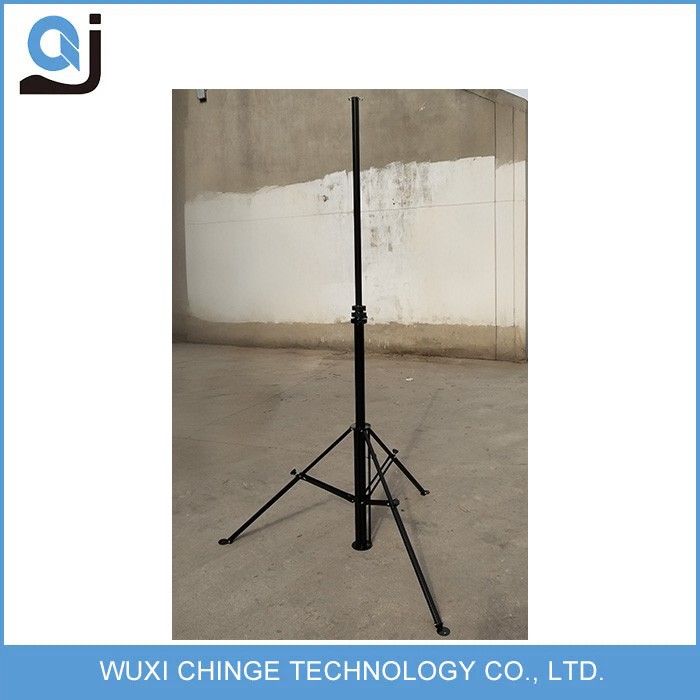
Winching up a mast is a complex and potentially dangerous operation, but by following these best practices, you can ensure a safe and successful outcome. As a trusted supplier of winch up masts, we are committed to providing our customers with high - quality products and expert advice. Whether you are looking for a Push Up Pole Mast or a 30ft Hand Push Up Antenna Mast, we have the right solutions for your needs.
If you have any questions or would like to discuss your specific requirements for winching up a mast, we encourage you to contact us. Our team of experts is ready to assist you in selecting the appropriate equipment and providing guidance throughout the installation process.
References
- Industry standards for mast installation and winching operations
- Manufacturer's manuals for winches and masts
- Safety guidelines for construction and rigging operations