




Hey there! As a telescopic mast supplier, I've seen firsthand the many benefits these masts bring to the table. They're super handy for all sorts of applications, like setting up antennas for communication systems, mounting cameras for surveillance, and even supporting lighting equipment. But like anything else in life, telescopic masts aren't perfect. In this blog post, I'm gonna break down some of the disadvantages you should be aware of before making a purchase.
1. Limited Height Capacity
One of the most obvious drawbacks of telescopic masts is their limited height capacity. While they can extend to impressive heights, there's a practical limit to how tall they can go. This is mainly due to the design of the mast itself. As the mast extends, the diameter of the upper sections decreases, which reduces their strength and stability.
For example, if you need a mast that can reach a height of 50 meters or more, a telescopic mast might not be the best option. You'd probably be better off with a fixed mast or a guyed mast, which can support greater heights. However, if you only need a mast that can reach a height of 10 to 20 meters, a telescopic mast should work just fine.
2. Reduced Load Capacity
Another disadvantage of telescopic masts is their reduced load capacity compared to fixed masts. As the mast extends, the weight of the upper sections increases, which puts more stress on the lower sections. This can limit the amount of weight the mast can support at its maximum height.
For instance, if you're planning to mount a heavy antenna or a large camera on your mast, you need to make sure the mast has enough load capacity to support it. Otherwise, the mast could bend or even collapse under the weight. Some telescopic masts come with a load capacity rating, which tells you how much weight the mast can support at different heights. Make sure to check this rating before making a purchase.
3. Maintenance Requirements
Telescopic masts require regular maintenance to ensure they operate properly and safely. This includes lubricating the moving parts, checking the cables and wires for damage, and inspecting the mast for signs of wear and tear. If you neglect to perform these maintenance tasks, the mast could malfunction or even break down.
For example, if the moving parts of the mast aren't lubricated regularly, they can become dry and sticky, which can make it difficult to extend and retract the mast. Similarly, if the cables and wires are damaged, they could short circuit or cause other electrical problems. By performing regular maintenance, you can prevent these issues from occurring and extend the lifespan of your mast.
4. Wind Resistance
Telescopic masts are more susceptible to wind damage than fixed masts. This is because the mast's extended sections create a larger surface area for the wind to act on, which can cause the mast to sway or even topple over in strong winds.
To minimize the risk of wind damage, it's important to choose a mast that's designed to withstand the wind conditions in your area. Some telescopic masts come with a wind rating, which tells you how much wind the mast can withstand at different heights. Make sure to choose a mast with a wind rating that's appropriate for your location.
5. Cost
Telescopic masts can be more expensive than fixed masts, especially if you need a mast with a high load capacity or a long extension length. This is because telescopic masts are more complex to manufacture and require more advanced materials and components.
However, the cost of a telescopic mast can vary depending on a number of factors, such as the size, load capacity, and features of the mast. If you're on a tight budget, you might be able to find a more affordable telescopic mast by shopping around and comparing prices from different suppliers. You can also consider purchasing a used mast, which can be a cost-effective option if you're willing to take on the risk of buying a pre-owned product.
6. Installation Challenges
Installing a telescopic mast can be a challenging and time-consuming process, especially if you're not familiar with the installation procedures. This is because telescopic masts require a solid foundation and proper alignment to ensure they're stable and safe.
For example, if the mast isn't installed on a level surface, it could tilt or lean, which can affect its performance and safety. Similarly, if the mast isn't properly aligned, it could cause the moving parts to bind or wear out prematurely. To ensure a successful installation, it's important to follow the manufacturer's instructions carefully and to use the right tools and equipment.
7. Limited Mobility
While telescopic masts are designed to be portable, they can still be quite heavy and bulky, which can make them difficult to transport and move around. This can be a problem if you need to set up and take down the mast frequently or if you need to move it to different locations.
For instance, if you're using a telescopic mast for a mobile communication system, you need to make sure the mast is lightweight and easy to transport. Otherwise, you might have to hire a crane or other heavy equipment to move the mast, which can add to the cost and complexity of your project.
Conclusion
As you can see, telescopic masts have their fair share of disadvantages. However, this doesn't mean that they're not a good option for your needs. In fact, telescopic masts can be a great choice for many applications, especially if you need a portable and easy-to-use mast that can be extended and retracted quickly.
If you're considering purchasing a telescopic mast, it's important to weigh the advantages and disadvantages carefully and to choose a mast that's right for your specific needs. By doing your research and working with a reputable supplier, you can find a telescopic mast that meets your requirements and provides you with reliable performance for years to come.
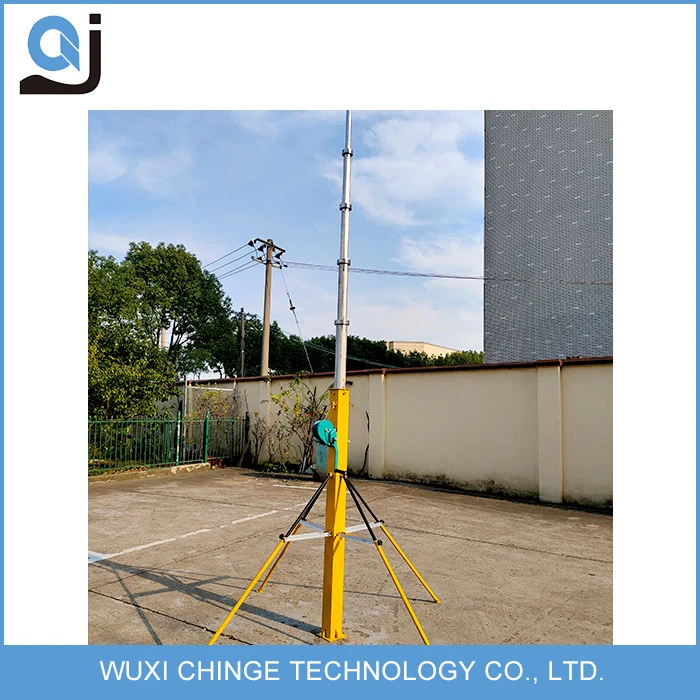

If you're interested in learning more about our Portable Telescoping Antenna Mast, Telescopic Aerial Mast, or Telescoping Radio Antenna Mast, please don't hesitate to contact us. We'd be happy to answer any questions you might have and to help you find the perfect mast for your project.
References
- Manufacturer's manuals and specifications for telescopic masts
- Industry standards and guidelines for mast design and installation
- Personal experience as a telescopic mast supplier