


As a supplier of crank up masts, I've seen firsthand the wear and tear that these systems go through. It's a topic that's not only crucial for us in the industry but also for our customers who rely on these masts for various applications. In this blog, I'll dive into the effects of wear and tear on a mast cranking system and why it's important to understand them.
1. How Wear and Tear Occur in Mast Cranking Systems
Mast cranking systems are used in a variety of settings, from communication towers to surveillance setups. These systems are constantly exposed to different environmental conditions, which can lead to wear and tear. For instance, if a mast is installed in a coastal area, it's likely to be exposed to saltwater, which can corrode the metal components of the cranking system. Similarly, extreme temperatures, whether hot or cold, can cause the materials to expand or contract, leading to stress on the system.
Another common cause of wear and tear is regular use. Every time the mast is cranked up or down, the mechanical components like gears, chains, and pulleys are subjected to friction. Over time, this friction can cause the parts to wear out. For example, the teeth on the gears can become worn down, which can affect the smooth operation of the cranking system.
2. Effects on Performance
One of the most obvious effects of wear and tear on a mast cranking system is a decrease in performance. When the components are worn, the system may not operate as smoothly as it should. You might notice that it takes more effort to crank the mast up or down. This can be a real hassle, especially if you need to adjust the mast frequently.
The accuracy of the mast's positioning can also be affected. A worn cranking system may not be able to hold the mast at the desired height or angle precisely. This can be a problem in applications where precise positioning is crucial, such as in antenna installations for optimal signal reception.
3. Safety Concerns
Wear and tear can also pose significant safety risks. A damaged cranking system may fail unexpectedly, causing the mast to collapse. This can be extremely dangerous, especially if there are people or valuable equipment nearby. For example, if a mast is used for a security camera, a sudden collapse could damage the camera and also put the people in the area at risk.
Loose or worn components can also create hazards. For instance, a loose chain could come off the sprocket and cause the mast to fall or become unstable. It's essential to regularly inspect the cranking system for any signs of wear and address them promptly to ensure the safety of everyone involved.
4. Maintenance and Replacement
To mitigate the effects of wear and tear, regular maintenance is key. This includes lubricating the moving parts to reduce friction, tightening any loose bolts or connections, and inspecting the components for signs of damage. By performing these maintenance tasks, you can extend the lifespan of the cranking system and keep it operating at its best.
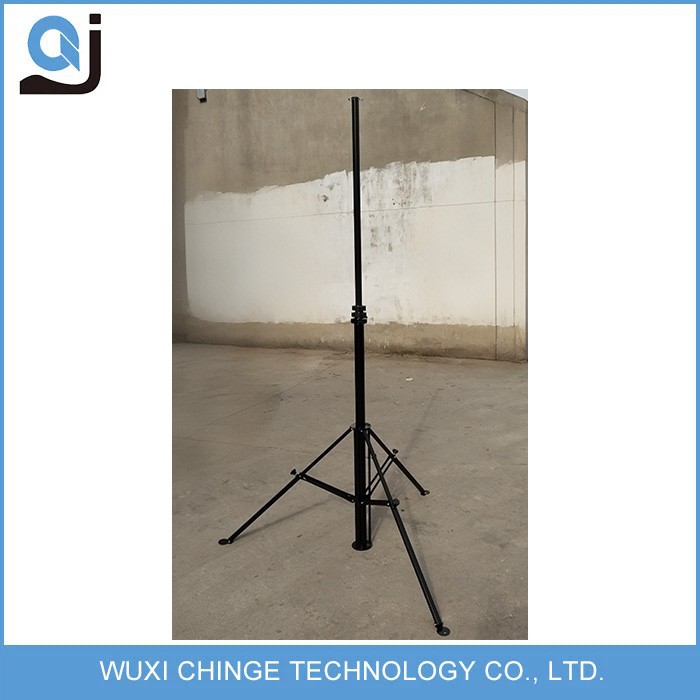
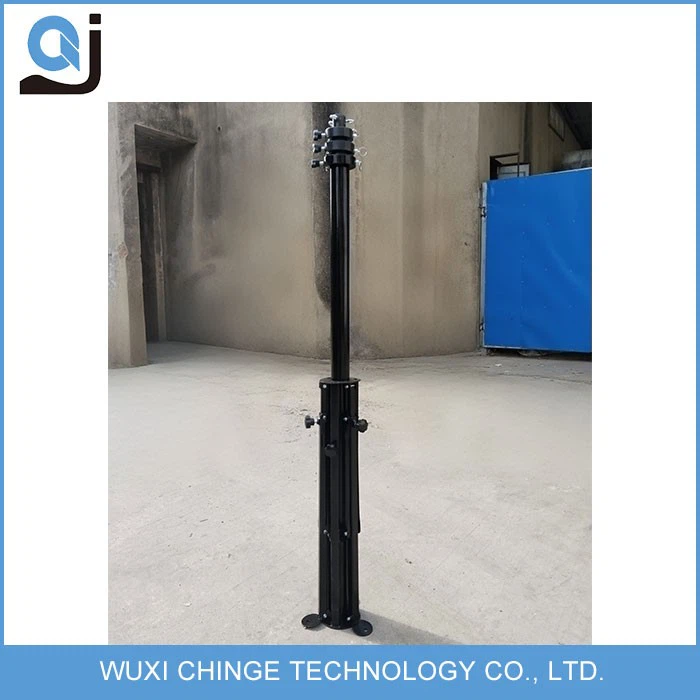
However, there comes a time when some components may need to be replaced. If the wear is too severe, it's often more cost - effective to replace the worn parts rather than trying to repair them. At our company, we offer a range of replacement parts for our crank up masts to ensure that our customers can keep their systems in top condition.
5. Types of Mast Cranking Systems and Their Vulnerabilities
We offer different types of mast cranking systems, each with its own set of vulnerabilities to wear and tear.
- Manual Telescopic Mast: You can learn more about our Manual Telescopic Mast. These masts rely on a manual cranking mechanism to extend and retract. The hand - cranked gears and pulleys are prone to wear, especially if they are used frequently. The exposed nature of the system also makes it more susceptible to environmental damage.
- Winch Up Mast: Our Winch Up Mast uses a winch to lift and lower the mast. The winch cable and the drum can experience wear due to the tension and friction during operation. Over time, the cable may fray, and the drum may develop grooves, which can affect the performance of the system.
- Push Up Pole Mast: Check out our Push Up Pole Mast. These masts are designed to be pushed up manually. The joints and locking mechanisms can wear out, making it difficult to hold the mast at the desired height.
6. Long - Term Impact on Cost
Wear and tear can have a significant long - term impact on cost. In the short term, the cost of maintenance and replacement parts can add up. If the wear and tear are not addressed promptly, it can lead to more serious problems, such as complete system failure. This may require a full replacement of the mast cranking system, which can be a substantial expense.
On the other hand, by investing in regular maintenance and using high - quality replacement parts, you can reduce the overall cost in the long run. A well - maintained cranking system will last longer and operate more efficiently, saving you money on repairs and replacements.
7. Importance of Choosing the Right Mast
When it comes to minimizing the effects of wear and tear, choosing the right mast for your application is crucial. Consider factors such as the environment in which the mast will be used, the frequency of use, and the required height and load capacity. At our company, we can help you select the most suitable mast cranking system based on your specific needs.
8. Contact Us for Your Mast Needs
If you're in the market for a new mast cranking system or need replacement parts for your existing one, don't hesitate to reach out. We're here to provide you with the best products and support to ensure that your mast operates smoothly and safely. Whether you're looking for a Manual Telescopic Mast, a Winch Up Mast, or a Push Up Pole Mast, we've got you covered.