


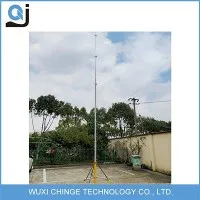
Hey there, fellow mast enthusiasts! As a supplier of winch up masts, I've seen firsthand the importance of considering environmental factors when it comes to winching up a mast. Whether you're setting up a Steel Telescopic Winch Mast for a telecommunications project, a Portable Telescoping Mast for a mobile surveillance setup, or a Crank Up Pole for a small - scale antenna installation, the environment plays a huge role in the process.
Let's start with the weather conditions. Wind is one of the most significant factors. Strong winds can make it extremely difficult, if not dangerous, to winch up a mast. When the wind blows, it creates a lateral force on the mast. This force increases as the height of the mast goes up. If the wind speed is too high, it can cause the mast to sway uncontrollably. This not only makes the winching process more challenging but also poses a risk of the mast toppling over.
For instance, if you're trying to winch up a tall Steel Telescopic Winch Mast in a gusty environment, the wind can push the mast off - center. This misalignment can put extra stress on the winch and the mast structure itself. It's always a good idea to check the weather forecast before starting the winching operation. If the wind speed is above a certain threshold, say 20 - 25 miles per hour, it's better to postpone the task.


Another weather - related factor is rain and snow. Wet conditions can make the ground slippery, which affects the stability of the base of the mast. If the base isn't firmly planted, the mast can shift during the winching process. Also, rain and snow can add extra weight to the mast. The moisture can accumulate on the mast surface, and in the case of snow, it can build up, increasing the overall load on the winch.
In addition, water can cause corrosion over time, especially if the mast is made of metal. To mitigate these risks, if you have to work in wet conditions, you should use proper ground mats to improve traction at the base. And for long - term protection against corrosion, make sure the mast has a good anti - rust coating.
The temperature is also something to keep in mind. Extreme cold can make the materials of the mast and the winch more brittle. Metals contract in cold weather, which can lead to cracks or failures in the structure. On the other hand, high temperatures can cause the winch motor to overheat. If the winch is working hard in hot weather, the internal components can get damaged. You might need to take breaks during the winching process to let the winch cool down.
Now, let's talk about the terrain. The type of ground where you're setting up the mast is crucial. If the ground is uneven, it can cause the mast to tilt during the winching process. For example, if you're using a Portable Telescoping Mast in a hilly area, you need to find a relatively flat spot. If there's no perfectly flat ground available, you may need to use shims or leveling devices to ensure the base of the mast is level.
Soft ground, like sand or mud, can be a problem too. The mast base can sink into the soft ground, reducing its stability. In such cases, you might need to use a larger base plate or even concrete footings to distribute the weight of the mast more evenly. This helps prevent the mast from sinking and keeps it upright during the winching operation.
Vegetation in the area can also affect the winching process. Tall grass, bushes, or trees can obstruct the path of the mast as it goes up. They can get caught in the winch cables or the mast structure, causing delays or even damage. Before starting the winching, clear the area of any large vegetation.
Proximity to other structures is another important environmental factor. If there are buildings, power lines, or other masts nearby, you need to be careful. The mast should be winched up in a way that it doesn't come into contact with these structures. For example, if there are power lines above, make sure to maintain a safe distance. A small miscalculation can lead to a serious accident, such as the mast hitting the power lines and causing a power outage or electrocution.
Wildlife can also be a factor, although it might be less obvious. In some areas, birds or other animals might build nests on the mast. Removing these nests carefully is important, not only to avoid disturbing the wildlife but also to ensure the proper functioning of the mast. Also, in areas with large animals like deer or cows, there's a risk of the animals bumping into the mast during the winching process.
The air quality in the area can impact the mast as well. In industrial areas with high levels of pollutants, the mast can be exposed to chemicals that can corrode it. Acid rain, which is more common in areas with high sulfur dioxide emissions, can eat away at the metal surface of the mast. Regular inspections and maintenance are necessary in such environments to keep the mast in good condition.
As a winch up mast supplier, I've seen many projects face challenges due to neglecting these environmental factors. By taking the time to assess the environment before winching up a mast, you can save a lot of time, money, and avoid potential safety hazards.
If you're in the market for a winch up mast, whether it's a Steel Telescopic Winch Mast, a Portable Telescoping Mast, or a Crank Up Pole, we've got you covered. We understand the importance of these environmental factors and can provide you with the right advice and products for your specific needs. If you have any questions or want to discuss your project, don't hesitate to reach out. We're here to help you make the right choice and ensure a successful mast installation.
References
- "Mast Installation and Safety Guidelines" - Industry - standard manual on mast setup.
- "Weather and Its Impact on Outdoor Equipment" - A research paper on how different weather conditions affect outdoor structures.
- "Terrain Analysis for Mast Placement" - A study on the importance of terrain in mast installation.