




Hey there! I'm a supplier of cell towers on wheels, and I'm stoked to share some cool insights about the interference mitigation techniques for these bad boys.
First off, let's talk about what cell towers on wheels are. They're basically mobile cell towers that can be quickly deployed to areas where there's a need for temporary or emergency cell coverage. Whether it's a music festival, a natural disaster area, or a construction site, these cell towers on wheels can step in and provide the connectivity people need.
Now, interference is a big deal when it comes to cell towers. It can cause dropped calls, slow data speeds, and all sorts of headaches for users. So, as a supplier, we've got to make sure our cell towers on wheels are equipped with the right techniques to minimize interference.
One of the most common interference mitigation techniques is frequency planning. This involves carefully selecting the frequencies that the cell tower will use to transmit and receive signals. By choosing frequencies that are less crowded or that have less interference from other sources, we can improve the overall performance of the cell tower.
For example, if there are a lot of other cell towers in the area using a certain frequency band, we might choose to use a different band to avoid interference. This requires some careful analysis of the local radio frequency environment, but it can make a huge difference in the quality of the cell tower's service.
Another important technique is antenna design. The antennas on a cell tower play a crucial role in transmitting and receiving signals, and the right design can help reduce interference. For instance, directional antennas can be used to focus the signal in a specific direction, which can reduce interference from other sources and improve the signal strength in the desired area.
We also use advanced filtering techniques to remove unwanted signals from the received signal. This can help improve the signal-to-noise ratio and reduce interference. There are different types of filters available, such as low-pass filters, high-pass filters, and band-pass filters, and we choose the ones that are most appropriate for the specific application.
In addition to these technical techniques, we also pay close attention to the physical location of the cell tower on wheels. Placing the tower in an area with less interference can make a big difference. For example, avoiding areas near large metal structures or other sources of electromagnetic interference can help improve the performance of the cell tower.
Now, let's take a look at some of the products we offer that are designed to enhance the performance of our cell towers on wheels.
The Cell On Wheels Trailer is a great option for easy transportation and deployment. It's designed to be mobile and can be quickly set up in the desired location. This trailer provides a stable platform for the cell tower and can be customized to meet the specific needs of our customers.
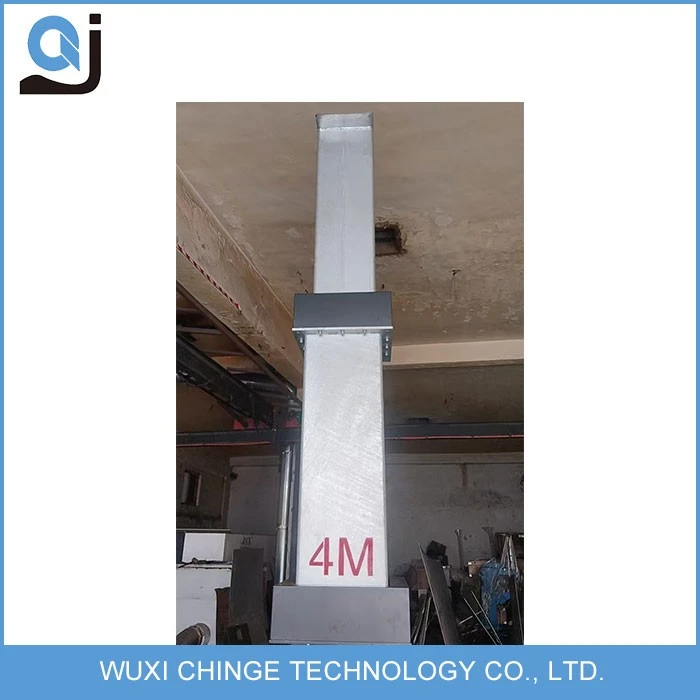
The Led Screen Telescopic Mast 1000kg Payload is another interesting product. This mast can be used to raise the antenna to a higher position, which can improve the signal coverage and reduce interference from obstacles on the ground. It has a high payload capacity, which means it can support heavy antennas and other equipment.
And then there's the Cell On Wheels With Shelter. This option provides protection for the cell tower equipment from the elements, such as rain, wind, and extreme temperatures. It also helps reduce interference from external sources and provides a more stable environment for the operation of the cell tower.
So, if you're in need of a cell tower on wheels and want to ensure that it has the best possible performance with minimal interference, we've got you covered. Our team of experts is always available to help you choose the right products and techniques for your specific situation.
Whether you're organizing a large event that requires temporary cell coverage or you're dealing with an emergency situation where quick deployment of a cell tower is crucial, our cell towers on wheels can provide the solution you need.
If you're interested in learning more about our products or want to discuss your specific requirements, don't hesitate to reach out. We're here to help you get the best cell tower on wheels for your needs and to ensure that it operates smoothly with minimal interference.
Let's work together to make sure you have reliable and high-quality cell coverage, no matter where you are.

References:
- Wireless Communications Principles and Practice, Theodore S. Rappaport
- Mobile Communications, Jochen Schiller