




Hey there! As a supplier of telescopic radio towers, I've been in the thick of the industry for quite a while. And let me tell you, quality control is no joke when it comes to these towers. In this blog, I'm gonna break down the quality control standards that we follow to make sure our telescopic radio towers are top - notch.
Material Quality
First off, the materials we use are the building blocks of a great telescopic radio tower. We source high - strength steel for the main structure. This steel has to meet specific chemical and mechanical properties. For instance, it needs to have a certain level of carbon content. Too much carbon can make the steel brittle, while too little can reduce its strength.
The steel also has to pass toughness tests. We use methods like the Charpy impact test to check how well the steel can withstand sudden impacts. This is crucial because our towers might be exposed to harsh weather conditions, like strong winds or even minor collisions during transportation or installation.
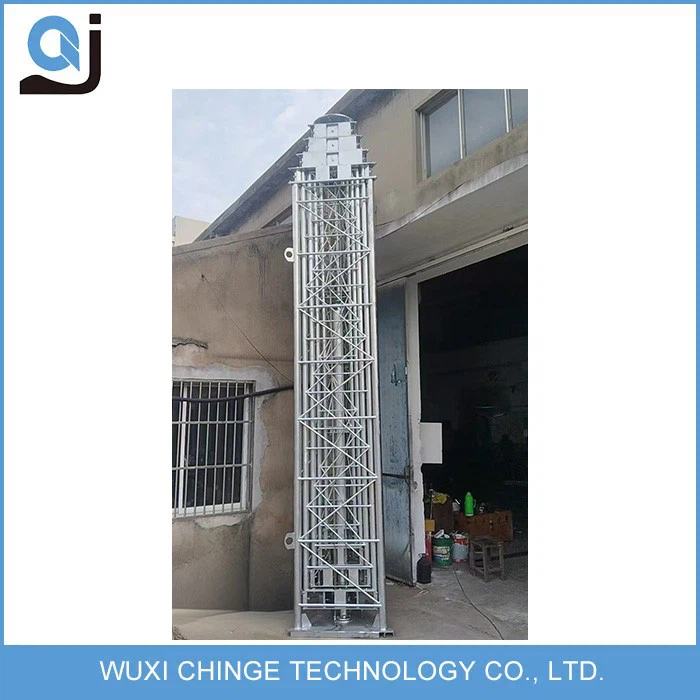
We also pay close attention to the surface treatment of the steel. Galvanization is a common process we use. It creates a protective zinc layer on the steel, preventing rust and corrosion. The thickness of this zinc layer is strictly monitored. We aim for a minimum thickness of around 85 micrometers to ensure long - term protection. If you're interested in our products, you can check out Telecommunication Tower Telescopic for more details.
Structural Design and Engineering
The design of a telescopic radio tower is a complex process. It starts with computer - aided design (CAD) models. These models help us visualize the tower's structure and analyze its performance under different conditions.
One of the key factors in the design is the load - bearing capacity. Our towers need to support the weight of the radio equipment, as well as withstand external forces like wind, snow, and seismic activity. We use advanced engineering software to calculate the maximum loads the tower can handle.
For example, in areas with high wind speeds, the tower has to be designed to resist wind forces. We calculate the wind pressure based on the local wind zone and the tower's shape and height. The tower's cross - sectional area and the shape of its elements, like the tubes and brackets, are carefully designed to minimize wind resistance.
Another important aspect is the telescopic mechanism. It has to be smooth and reliable. The joints between the telescopic sections need to be precisely machined to ensure a tight fit. We conduct multiple tests on the telescopic mechanism to make sure it can extend and retract without any issues. You can find some great options for military applications in our Military Telescopic Tower range.
Manufacturing Precision
During the manufacturing process, precision is key. We use state - of - the - art machinery to cut, bend, and weld the steel components. The cutting process has to be accurate within a few millimeters. Any deviation can affect the overall fit and performance of the tower.
Welding is another critical step. The welds have to be strong and defect - free. We use non - destructive testing methods, like ultrasonic testing and X - ray inspection, to check the quality of the welds. These methods can detect internal defects, such as cracks or porosity, that might weaken the structure.
The assembly of the tower is also carefully monitored. Each component has to be installed in the correct position and tightened to the specified torque. Loose connections can lead to vibrations and instability, which can be dangerous for the tower and the equipment it supports.
Performance Testing
Once the tower is assembled, it goes through a series of performance tests. One of the first tests is the height accuracy test. We measure the extended and retracted heights of the tower to make sure they match the design specifications. Any deviation can affect the tower's functionality, especially when it comes to radio signal transmission.
We also test the tower's stability. This involves simulating different loads and environmental conditions. For example, we use hydraulic jacks to apply vertical and horizontal loads to the tower to check its response. The tower should not show any signs of excessive deflection or instability under these loads.
The electrical conductivity of the tower is another important factor, especially for radio transmission. We test the electrical resistance of the tower to ensure that it does not interfere with the radio signals. A high - resistance tower can cause signal loss and distortion.

Safety Standards
Safety is always our top priority. Our telescopic radio towers are designed to meet strict safety standards. They are equipped with safety features like locking mechanisms to prevent accidental retraction or extension. These locking mechanisms are tested to ensure they can hold the tower securely in place.
The tower also has to have proper grounding. A good grounding system protects the tower and the equipment from lightning strikes. We use copper conductors and grounding rods to create a low - resistance path to the ground. The grounding resistance is measured regularly to make sure it meets the safety requirements.
Quality Assurance Documentation
We keep detailed quality assurance documentation for each tower we produce. This includes material certificates, test reports, and inspection records. These documents provide traceability and proof that the tower meets the specified quality control standards.
If you're looking for a reliable and high - quality telescopic radio tower, we've got you covered. Our 100ft Cell On Wheels (COW) is a great option for mobile communication needs.
In conclusion, the quality control standards for telescopic radio towers are comprehensive and cover every aspect of the tower's life cycle, from material selection to performance testing. We take pride in providing our customers with towers that are not only reliable but also safe and efficient.
If you're interested in purchasing a telescopic radio tower or have any questions about our quality control standards, feel free to reach out to us. We're always happy to have a chat and discuss your specific requirements.
References
- "Structural Steel Design Handbook" by S. K. Duggal
- "Wind Engineering for Structural Design" by Alan G. Davenport
- Industry standards and guidelines from relevant telecommunication and engineering organizations