


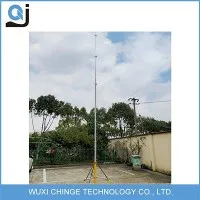

Hey there! As a supplier of winch up masts, I've seen my fair share of winch malfunctions. When it comes to winching up a mast, it's crucial to be aware of the signs that something might be going wrong. In this blog, I'll share some common indicators of a malfunctioning winch and what you can do about them.


1. Unusual Noises
One of the first signs that your winch might be malfunctioning is the presence of unusual noises. If you hear grinding, squealing, or rattling sounds when the winch is in operation, it's a red flag. Grinding noises could indicate that there's something stuck in the gears or that the gears themselves are worn out. Squealing might be a sign of a loose or worn belt, while rattling could mean that there are loose components inside the winch.
For example, I once had a customer who reported a loud grinding noise when trying to winch up their mast. Upon inspection, we found that a small piece of debris had gotten caught in the winch's gears. After removing the debris and lubricating the gears, the winch worked smoothly again.
2. Slow or Inconsistent Operation
Another sign of a malfunctioning winch is slow or inconsistent operation. If the winch is taking longer than usual to raise the mast or if it's starting and stopping intermittently, there could be an issue. This could be due to a variety of factors, such as a weak battery, a faulty motor, or a problem with the winch's control system.
Let's say you're using a Crank Up Mast and notice that it's taking a lot more effort to crank it up than before. This could be a sign that the winch is struggling to operate properly. It's important to address this issue promptly to avoid further damage to the winch.
3. Excessive Heat
Winches generate heat during operation, but if you notice that the winch is getting excessively hot, it's a cause for concern. Excessive heat can be a sign of overloading, a problem with the motor, or a lack of proper lubrication. If the winch is overheating, it can lead to premature wear and tear on the components and even cause the winch to fail completely.
I remember a situation where a customer's winch was overheating after just a few minutes of use. We discovered that the winch was being overloaded, as they were trying to lift a mast that was heavier than the winch's rated capacity. Once we reduced the load and ensured proper lubrication, the winch's temperature returned to normal.
4. Leaking Fluids
If you notice any fluid leaking from the winch, it's a clear sign of a problem. Winches typically use hydraulic or electric systems, and any leakage could indicate a damaged seal, a cracked hose, or a malfunctioning valve. Leaking fluids can not only cause the winch to operate inefficiently but can also pose a safety hazard.
For instance, if you have a Portable Telescoping Mast with a hydraulic winch and you see hydraulic fluid leaking from the winch, it's important to stop using the winch immediately and have it inspected by a professional.
5. Difficulty Engaging or Disengaging the Winch
If you're having trouble engaging or disengaging the winch, it could be a sign of a mechanical problem. This could be due to a misaligned gear, a worn-out clutch, or a problem with the winch's control mechanism. Difficulty engaging or disengaging the winch can make it challenging to operate the mast safely and efficiently.
Let's say you're using a Portable Telescopic Mast and find that the winch won't engage properly. This could be frustrating and potentially dangerous. It's important to have the winch checked by a qualified technician to determine the cause of the problem.
What to Do If You Notice These Signs
If you notice any of these signs of a malfunctioning winch, it's important to take action right away. Here are some steps you can take:
- Stop Using the Winch: As soon as you notice a problem, stop using the winch to prevent further damage.
- Inspect the Winch: Carefully examine the winch for any visible signs of damage, such as loose components, leaks, or worn-out parts.
- Check the Power Source: Make sure the winch is properly connected to a power source and that the battery is fully charged.
- Contact a Professional: If you're not sure how to diagnose or fix the problem, it's best to contact a professional winch technician. They have the expertise and tools to identify the issue and make the necessary repairs.
Why Choose Our Winch Up Masts
At our company, we take pride in providing high-quality winch up masts that are reliable and durable. Our masts are designed to meet the needs of a variety of applications, from telecommunications to surveillance. We use only the best materials and components in our winches, ensuring that they can withstand the rigors of daily use.
In addition to our high-quality products, we also offer excellent customer service. Our team of experts is always available to answer your questions and provide technical support. Whether you're a first-time buyer or an experienced user, we're here to help you find the right winch up mast for your needs.
If you're in the market for a winch up mast, we encourage you to contact us to discuss your requirements. We can provide you with detailed information about our products, including specifications, pricing, and delivery options. Our goal is to help you find the perfect winch up mast for your application and to ensure that you're completely satisfied with your purchase.
Conclusion
Being aware of the signs of a malfunctioning winch is essential when winching up a mast. By paying attention to unusual noises, slow or inconsistent operation, excessive heat, leaking fluids, and difficulty engaging or disengaging the winch, you can catch problems early and prevent further damage. If you notice any of these signs, take immediate action to address the issue.
If you're looking for a reliable winch up mast supplier, look no further. We offer a wide range of high-quality masts, including Crank Up Mast, Portable Telescoping Mast, and Portable Telescopic Mast. Contact us today to discuss your needs and start the procurement process.
References
- Winch Maintenance Guide, Industry Standard Publications
- Mast Installation and Operation Manuals