




Winching up a mast is a critical task that requires careful attention and proper equipment. As a winch up mast supplier, I've seen my fair share of issues during this process. In this blog, I'll share the signs that indicate there might be a problem when winching up a mast.
Unusual Noises
One of the first signs that something's off is if you start hearing strange noises. When the winch is working correctly, it should operate relatively quietly. If you hear grinding, squealing, or clunking sounds, it's a red flag. Grinding noises could mean that there's excessive friction in the winch mechanism. This might be due to worn - out gears or a lack of lubrication. Squealing, on the other hand, could indicate a problem with the cable rubbing against something it shouldn't or an issue with the brake system. Clunking sounds might suggest loose parts within the winch or the mast itself. For example, a loose bolt or a misaligned component can cause these jarring noises. If you encounter these noises, it's essential to stop the winching process immediately. Continuing to operate the winch under these conditions can lead to further damage and potentially a dangerous situation.
Uneven Movement
Another tell - tale sign of a problem is uneven movement of the mast. When you're winching up a mast, it should rise smoothly and steadily. If you notice that the mast is jerking, swaying, or moving at an inconsistent speed, there's likely an issue. Uneven movement could be caused by a problem with the winch's motor or the cable system. For instance, if the cable is kinked or damaged, it can cause the mast to move erratically. A malfunctioning motor might not be providing a consistent amount of power, leading to uneven movement. In some cases, the problem could also be related to the mast's structure. If the mast is not properly balanced or if there are obstructions in its path, it can result in an uneven ascent. You need to check the cable for any visible damage and ensure that the mast is properly aligned before proceeding.
Excessive Cable Tension
Monitoring the cable tension is crucial when winching up a mast. If you notice that the cable is under excessive tension, it's a sign that something isn't right. Excessive tension can put a lot of stress on the winch, the cable, and the mast itself. It can cause the cable to snap, which is extremely dangerous. There are several reasons why you might experience excessive cable tension. One possibility is that the mast is stuck or jammed. This could be due to debris in the mast's guide rails or a misaligned section. Another reason could be an issue with the winch's gearing system. If the gears are not engaging properly, it can cause the cable to be pulled too tightly. You should be able to feel the tension in the cable as you operate the winch. If it feels like the cable is being pulled too hard, stop and investigate the cause.
Visual Damage
Inspecting the mast and the winch for visual damage is a must. Before you start winching, give everything a good once - over. Look for cracks, dents, or any signs of wear and tear on the mast. Cracks in the mast can weaken its structure and make it more prone to failure. Dents can also affect the mast's stability and its ability to move smoothly. On the winch, check for any signs of damage to the housing, the gears, or the motor. A damaged winch can malfunction during the winching process, leading to serious problems. If you notice any visual damage, it's best not to use the equipment until it has been repaired or replaced. Using damaged equipment can not only lead to further damage but also put your safety at risk.
Inability to Reach Full Height
If you're having trouble getting the mast to reach its full height, it's a clear sign of a problem. There could be several reasons for this. One possibility is that there's a limit switch on the winch that is malfunctioning. Limit switches are designed to stop the winch when the mast reaches a certain height. If the switch is faulty, it might stop the winch prematurely. Another reason could be a mechanical issue within the winch or the mast. For example, a seized gear or a damaged pulley can prevent the mast from rising all the way. You may need to check the limit switch settings and inspect the mechanical components of the winch and the mast to identify and fix the problem.
Overheating
Overheating is another issue that can occur when winching up a mast. If the winch motor or the cable gets too hot, it's a sign that there's excessive friction or a problem with the electrical system. Overheating can damage the components of the winch and reduce its lifespan. It can also be a fire hazard. You should be able to feel if the winch is getting unusually hot to the touch. If you notice overheating, stop the winching process and let the equipment cool down. Check for any signs of blockages in the ventilation system of the winch motor, as poor ventilation can cause overheating. Also, make sure that the electrical connections are secure and that there are no short - circuits.
Safety First
As a winch up mast supplier, I can't stress enough the importance of safety when winching up a mast. If you encounter any of these signs of a problem, don't take chances. It's always better to be safe than sorry. Before starting any winching operation, make sure you have the right equipment and that it's in good working condition. Read the manufacturer's instructions carefully and follow all safety procedures.
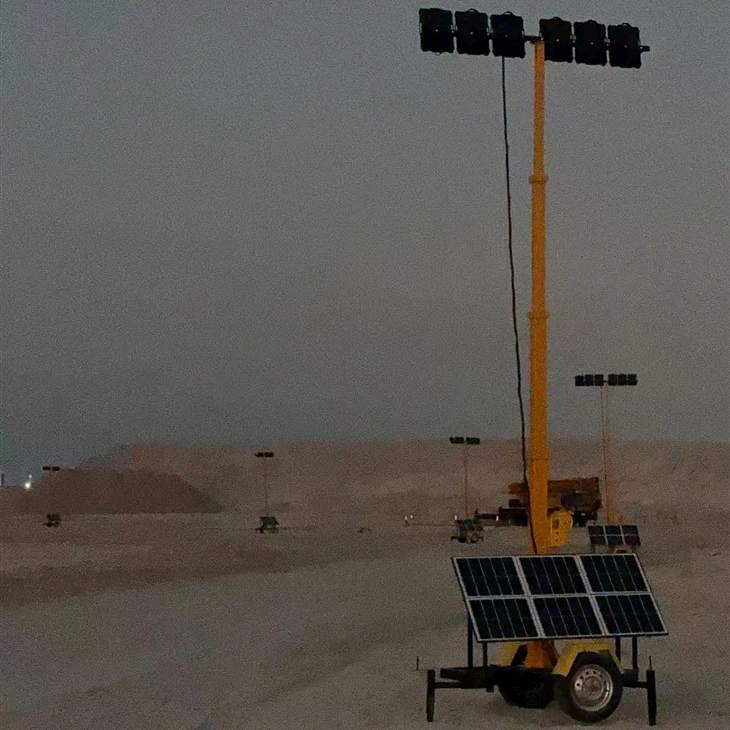
If you're in the market for a reliable winch up mast, we offer a wide range of products. Our Light Tower Mast is a great option for applications where you need to illuminate large areas. The Electric Telescoping Mast provides easy and efficient operation, and our Crank Up Pole is a simple yet effective solution for various uses.
If you have any questions or are interested in purchasing our winch up masts, don't hesitate to reach out. We're here to help you find the right product for your needs and ensure that your winching operations are safe and successful.

References
- Winch operation manuals from major manufacturers.
- Industry best practices for mast installation and winching.
- Technical guides on mast and winch maintenance.