




Hey there! As a supplier of portable cell towers, I've been getting a lot of questions about the storage requirements for these nifty pieces of tech. So, I thought I'd sit down and write a blog post to share some insights on this topic.
First off, let's talk about why storage is such a big deal for portable cell towers. These towers are designed to be, well, portable! That means they need to be easy to move around and set up in different locations. But when they're not in use, you need to store them properly to make sure they stay in good condition and are ready to go when you need them.
Size and Space
One of the most obvious storage requirements for a portable cell tower is the amount of space it takes up. Portable cell towers come in all shapes and sizes, from small, lightweight models that can be carried by hand to larger, more robust towers that need to be transported on a trailer.
For the smaller portable cell towers, you might be able to store them in a shed or a garage. Just make sure there's enough room to lay them out flat or stand them up without them getting damaged. You don't want them to be squeezed in too tightly or have other heavy objects piled on top of them.
The larger portable cell towers, on the other hand, will need a lot more space. You might need a dedicated storage facility, like a warehouse. These towers often have multiple sections that need to be disassembled for storage. Make sure you have a clear area where you can lay out all the parts and keep them organized.
Protection from the Elements
Another important storage requirement is protection from the elements. Portable cell towers are made of various materials, like metal and plastic, and exposure to rain, snow, sunlight, and extreme temperatures can cause damage over time.
If you're storing your portable cell tower outside, make sure it's covered with a waterproof tarp. This will protect it from rain and snow. You also want to make sure the tarp is secured properly so it doesn't blow off in the wind.
If possible, it's better to store your tower indoors. A climate - controlled storage facility is ideal. This way, you can keep the temperature and humidity at a stable level, which will prevent rusting, warping, and other forms of damage.
Organization and Accessibility
When you store your portable cell tower, it's crucial to keep it organized. If you have a tower with multiple parts, like a Military Telescopic Tower, you should label all the parts and keep them together. This will make it much easier to assemble the tower when you need to use it.

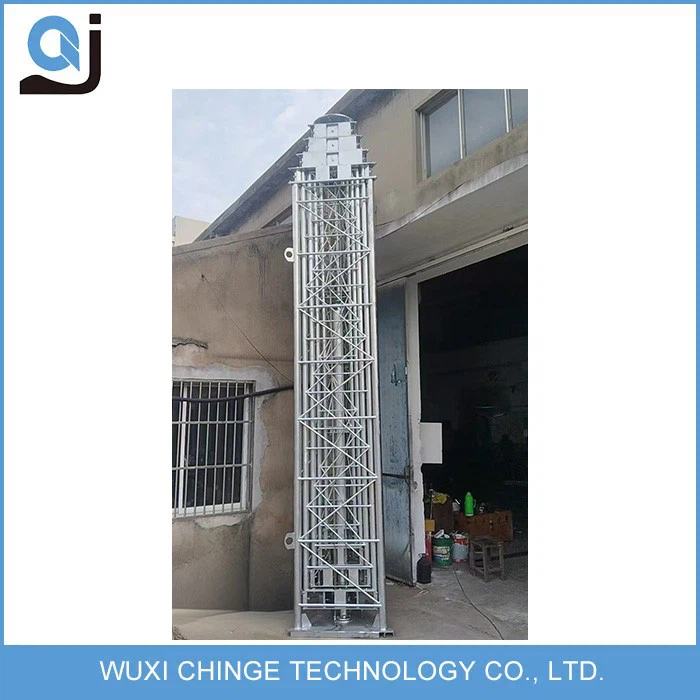
You also want to make sure the tower is easily accessible. You don't want to have to move a bunch of other stuff around just to get to your tower. Keep it in a location where you can quickly and easily retrieve it.
Security
Security is another aspect of storage that you can't overlook. Portable cell towers can be quite valuable, so you need to make sure they're safe from theft and vandalism.
If you're storing your tower in a public area or a shared storage facility, make sure there are security measures in place, like locks and surveillance cameras. If you're storing it at your own property, consider installing a fence or an alarm system.
Maintenance During Storage
Even when your portable cell tower is in storage, it still needs some maintenance. You should check on it regularly to make sure everything is in good condition.
Inspect the tower for any signs of damage, like rust, cracks, or loose parts. If you notice any issues, address them right away. You might also want to lubricate any moving parts to prevent them from seizing up.
Specific Storage for Different Types of Portable Cell Towers
Let's take a look at the storage requirements for some specific types of portable cell towers.
Military Telescopic Tower
The Military Telescopic Tower is designed for tough conditions and is often used in military operations. These towers are usually made of high - strength materials. When storing them, you need to pay special attention to the telescopic sections. Make sure they're clean and free of debris before you store them. You might want to wrap the sections in a protective material to prevent scratches.
Amateur Radio Tower Crank Up
The Amateur Radio Tower Crank Up is popular among amateur radio enthusiasts. These towers are typically lighter and more compact. You can store them in a vertical position in a corner of your garage or shed. Just make sure they're stable and won't fall over.
Telecommunication Tower Telescopic
The Telecommunication Tower Telescopic is used for providing telecommunication services in remote areas. These towers are often larger and more complex. When storing them, you need to disassemble them carefully and store the parts in a way that they won't get damaged. Label all the parts clearly so you can easily put the tower back together.
Conclusion
In conclusion, proper storage of portable cell towers is essential to keep them in good working condition and extend their lifespan. You need to consider factors like size, protection from the elements, organization, security, and maintenance.
If you're in the market for a portable cell tower or have any questions about storage requirements, don't hesitate to reach out. We're here to help you make the right choice and ensure that your tower is stored properly. Whether you're a military organization, an amateur radio enthusiast, or a telecommunication company, we have the right portable cell tower for you.
Contact us today to start the conversation about your portable cell tower needs and let's work together to find the best solution for you!
References
- Industry standards for portable cell tower storage
- Manufacturer's guidelines for different types of portable cell towers