




Hey there! As a supplier of portable cell towers, I often get asked about the bandwidth capacity of these nifty devices. So, I thought I'd take a deep dive into this topic and share everything I've learned over the years.
First off, let's understand what bandwidth capacity means. Simply put, bandwidth is the maximum amount of data that can be transmitted over a network in a given amount of time, usually measured in bits per second (bps). In the context of a portable cell tower, it determines how many users can connect simultaneously and how fast they can access data. A higher bandwidth capacity means more users can connect and experience faster data speeds.
Now, let's talk about the factors that affect the bandwidth capacity of a portable cell tower. One of the most significant factors is the frequency band used by the tower. Different frequency bands have different characteristics in terms of coverage area and data-carrying capacity. For example, lower frequency bands (e.g., 700 MHz) can cover a larger area but typically offer lower bandwidth compared to higher frequency bands (e.g., 2.5 GHz or 5 GHz). Higher frequency bands can carry more data but have a shorter coverage range and are more easily blocked by obstacles like buildings and trees.
Another crucial factor is the number of carriers and channels supported by the portable cell tower. A carrier is like a lane on a highway, and channels are the individual paths within that lane. The more carriers and channels a tower can support, the more data it can handle. For instance, if a tower supports multiple carriers and has a large number of channels, it can accommodate more users and provide higher bandwidth.
The technology used in the tower also plays a vital role. Modern portable cell towers often use advanced technologies like 4G LTE and 5G, which offer significantly higher bandwidth compared to older technologies like 2G and 3G. 5G, in particular, is designed to provide ultra - high - speed data transfer, low latency, and support for a large number of connected devices.
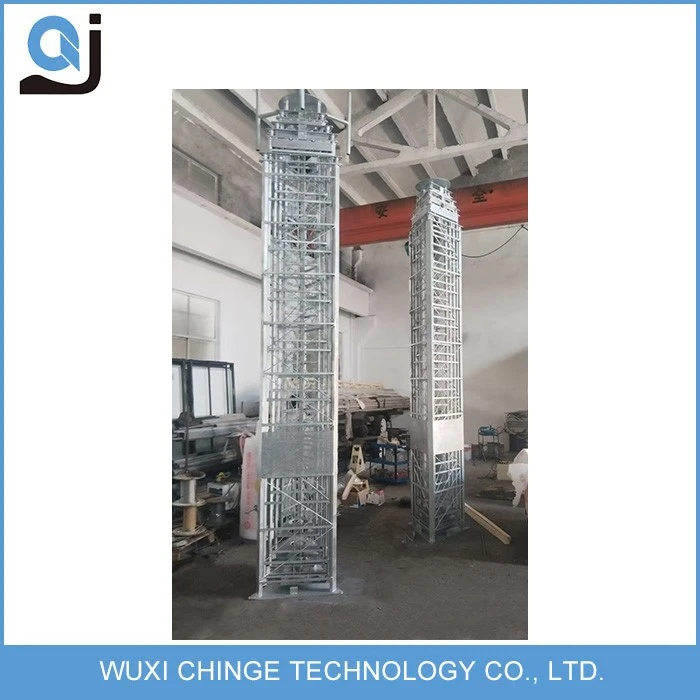
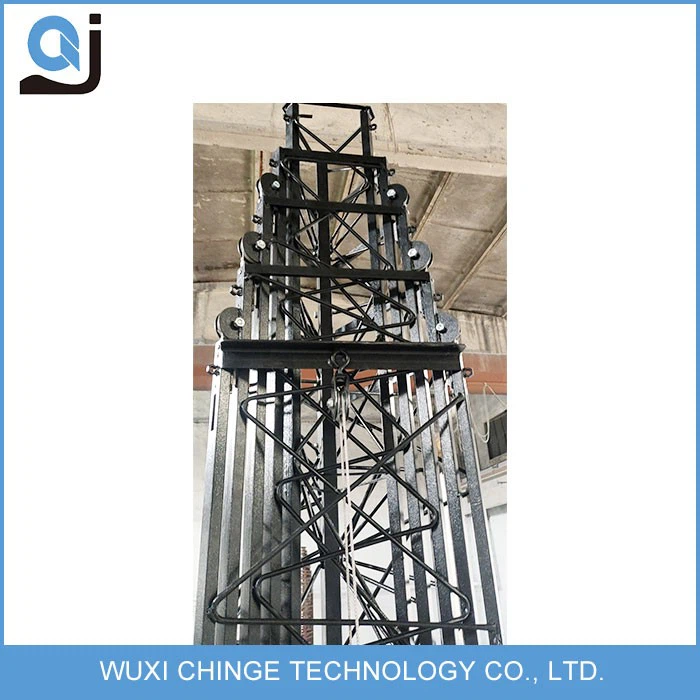
The size and type of the antenna on the portable cell tower are important too. A larger antenna can capture and transmit more signals, which can increase the overall bandwidth capacity. There are different types of antennas available, such as the Amateur Radio Tower Crank Up and the Telescoping Antenna Tower. The right antenna choice can optimize the tower's performance and boost its bandwidth.
Let's take a look at some real - world examples of bandwidth capacity for portable cell towers. A basic portable cell tower designed for a small event or temporary use might have a bandwidth capacity of around 10 - 50 Mbps. This can support a few dozen users accessing basic web services, like checking emails or browsing social media.
On the other hand, a high - end portable cell tower equipped with the latest 5G technology and multiple carriers can have a bandwidth capacity of several hundred Mbps or even up to 1 Gbps. These towers are ideal for large - scale events, such as concerts, sports games, or disaster - relief operations, where there are thousands of users demanding high - speed data access.
It's also important to note that the bandwidth capacity can be affected by the environment. In a crowded urban area with a lot of interference from other wireless devices, the effective bandwidth might be lower than the theoretical capacity. Similarly, in a rural area with a lot of natural obstacles, the signal strength and bandwidth can be reduced.
As a portable cell tower supplier, we offer a range of products to meet different bandwidth requirements. Our Light Weight Harm Radio Tower is a great option for those who need a portable and easy - to - set - up solution with a moderate bandwidth capacity. For larger events or areas with high data demand, we have more advanced towers that can provide high - speed, reliable connectivity.
If you're in the market for a portable cell tower, it's essential to consider your specific needs. Think about the number of users you expect to connect, the type of data they'll be accessing (e.g., streaming video, downloading large files), and the environment where the tower will be used. This will help you choose the right tower with the appropriate bandwidth capacity.
In conclusion, the bandwidth capacity of a portable cell tower depends on several factors, including the frequency band, number of carriers and channels, technology, antenna type, and the environment. By understanding these factors, you can make an informed decision when choosing a portable cell tower for your needs.
If you're interested in learning more about our portable cell towers or have any questions about bandwidth capacity, feel free to reach out. We're always here to help you find the best solution for your connectivity requirements. Whether you're planning a small gathering or a large - scale event, our team can work with you to ensure you have the right portable cell tower with the right bandwidth.
References
- Telecommunication Engineering Handbook
- 5G Technology Industry Reports
- Research Papers on Wireless Network Bandwidth Optimization