





What is the corrosion resistance of a portable tower?
As a seasoned supplier of portable towers, I often encounter inquiries about the corrosion resistance of these structures. Corrosion is a critical factor that can significantly impact the performance, durability, and lifespan of portable towers. In this blog post, I will delve into the concept of corrosion resistance, its importance for portable towers, and the various factors and measures related to it.
Understanding Corrosion and Its Impact on Portable Towers
Corrosion is a natural process that involves the deterioration of metals due to chemical reactions with their environment. When it comes to portable towers, which are often made of metals such as steel or aluminum, corrosion can lead to a range of problems. For instance, it can weaken the structural integrity of the tower, making it more prone to collapse or failure. Corroded parts may also affect the functionality of the tower, such as the smooth operation of telescoping mechanisms in Telescoping Antenna Tower.
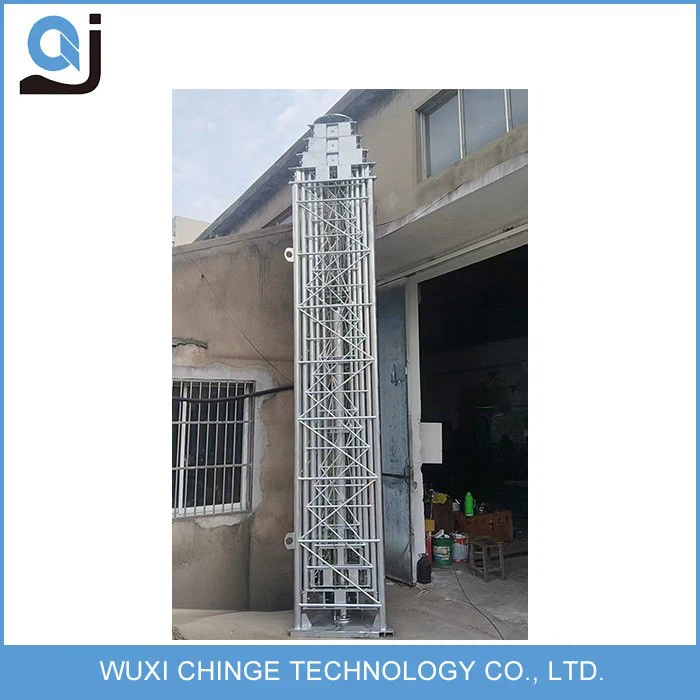
The impact of corrosion is not limited to the physical structure. It can also have economic implications. Corroded towers may require more frequent maintenance, repairs, or even replacement, which can incur significant costs for the users. Moreover, in some applications, such as Military Telescopic Tower used in critical military operations or Portable Cell Tower for ensuring communication, any malfunction caused by corrosion can have far - reaching consequences.
Factors Affecting the Corrosion Resistance of Portable Towers
Several factors influence the corrosion resistance of portable towers. The first and most obvious is the material of the tower. Different metals have different inherent corrosion resistance properties.
- Steel: Steel is a commonly used material for portable towers due to its high strength. However, it is susceptible to rust, which is a form of corrosion. The rate of corrosion in steel depends on the presence of impurities and the type of alloying elements. For example, stainless steel, which contains chromium, has better corrosion resistance compared to regular carbon steel. Chromium forms a passive oxide layer on the surface of the steel, which protects it from further oxidation.
- Aluminum: Aluminum is another popular choice for portable towers. It has a natural oxide layer that forms on its surface when exposed to air, providing a certain degree of corrosion resistance. This oxide layer is self - healing, meaning that if it is damaged, a new layer will form. However, in highly acidic or alkaline environments, the oxide layer can be compromised, leading to corrosion.
The environment in which the portable tower is used also plays a crucial role.
- Humidity: High humidity levels can accelerate the corrosion process. Water in the air can react with the metal surface, forming an electrolyte that promotes electrochemical corrosion. Portable towers used in coastal areas or tropical regions, where humidity is often high, are at a greater risk of corrosion.
- Saltwater Exposure: Saltwater contains a high concentration of salts, which are excellent conductors of electricity. When a portable tower is exposed to saltwater, either through direct contact or salt spray in coastal areas, the corrosion rate can increase significantly. This is especially relevant for Portable Cell Tower used near the sea for communication purposes.
- Chemical Exposure: In industrial areas or areas with high levels of pollution, portable towers may be exposed to chemicals such as sulfur dioxide, nitrogen oxides, and acids. These chemicals can react with the metal surface and cause corrosion.
Measures to Improve Corrosion Resistance
To enhance the corrosion resistance of portable towers, several measures can be taken during the manufacturing process and in the usage phase.
-
Coating: Applying a protective coating is one of the most common methods to prevent corrosion. There are different types of coatings available.
- Paint: Paint can act as a barrier between the metal surface and the environment. It can be formulated to have specific properties, such as resistance to UV rays, chemicals, and abrasion. For example, epoxy - based paints are often used for their excellent adhesion and corrosion protection.
- Galvanizing: Galvanizing involves coating the steel with a layer of zinc. Zinc is more reactive than steel, so in the presence of an electrolyte, the zinc will corrode preferentially, protecting the underlying steel. Hot - dip galvanizing is a popular method, where the steel is dipped into a bath of molten zinc.
- Powder Coating: Powder coating is a dry finishing process where a powder is electrostatically applied to the metal surface and then cured under heat. It provides a durable and uniform coating that is resistant to chipping, scratching, and corrosion.
-
Alloying: As mentioned earlier, alloying metals with specific elements can improve their corrosion resistance. For example, adding nickel to steel can enhance its resistance to corrosion in acidic environments. In the case of aluminum, alloying with elements such as magnesium and copper can improve its strength and corrosion resistance.
-
Design Considerations: Proper design can also help reduce the risk of corrosion. For example, ensuring good drainage in the tower structure can prevent water from pooling, which can lead to corrosion. Avoiding crevices and sharp corners in the design can also reduce the likelihood of corrosion, as these areas are more prone to the accumulation of moisture and debris.
Maintenance for Long - Term Corrosion Resistance
Even with the best corrosion - resistant measures in place, regular maintenance is essential to ensure the long - term performance of portable towers.
- Inspection: Regular inspections should be carried out to detect any signs of corrosion early. This can include visual inspections of the tower surface, as well as non - destructive testing methods such as ultrasonic testing to check for internal corrosion.
- Cleaning: Keeping the tower clean can prevent the accumulation of dirt, debris, and chemicals that can accelerate corrosion. Mild detergents and water can be used for cleaning, and care should be taken not to damage the protective coating.
- Repair and Touch - up: If any signs of corrosion or damage to the protective coating are detected, immediate repair and touch - up should be carried out. This may involve removing the corroded area, applying a new coating, or replacing damaged parts.
Conclusion
The corrosion resistance of portable towers is a complex but crucial aspect that directly affects their performance and longevity. As a portable tower supplier, we are committed to providing high - quality products with excellent corrosion resistance. By understanding the factors that influence corrosion and implementing appropriate measures during manufacturing and maintenance, we can ensure that our Military Telescopic Tower, Portable Cell Tower, and Telescoping Antenna Tower meet the highest standards of durability and reliability.
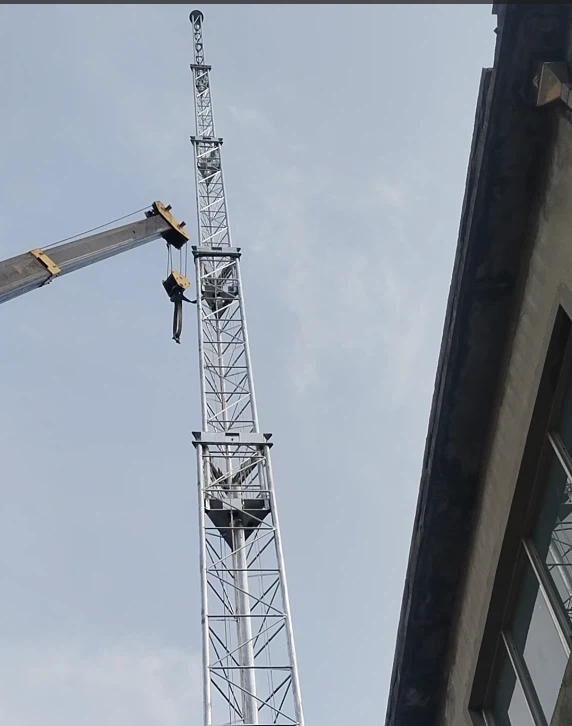
If you are in the market for portable towers and have questions about corrosion resistance or any other aspects, we encourage you to reach out to us for a detailed discussion. We are ready to assist you in selecting the most suitable portable tower for your specific needs and provide you with all the necessary information to make an informed decision.
References
- Jones, D. A. (1992). Principles and Prevention of Corrosion. Prentice Hall.
- Uhlig, H. H., & Revie, R. W. (1985). Corrosion and Corrosion Control: An Introduction to Corrosion Science and Engineering. Wiley.
- Fontana, M. G. (1986). Corrosion Engineering. McGraw - Hill.