


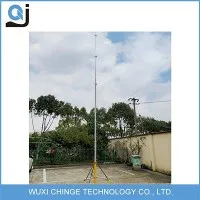
The performance of a telescopic mobile tower is a crucial factor in various industries, from telecommunications to military operations. As a telescopic mobile tower supplier, I've witnessed firsthand how the choice of tower material can significantly impact the tower's performance. In this blog, we'll explore the different materials used in telescopic mobile towers and their effects on performance.
Common Materials Used in Telescopic Mobile Towers
Steel
Steel is one of the most widely used materials in the construction of telescopic mobile towers. It is known for its high strength and durability, making it suitable for supporting heavy loads and withstanding harsh environmental conditions. Steel towers can be designed to meet specific height and load requirements, and they are often used in applications where reliability is of utmost importance, such as in military and telecommunications infrastructure.
One of the key advantages of steel is its excellent corrosion resistance when properly treated. Galvanization, for example, is a common method used to protect steel towers from rust and corrosion. This treatment involves coating the steel with a layer of zinc, which acts as a sacrificial anode, protecting the underlying steel from oxidation. Additionally, steel towers can be painted or coated with other protective materials to further enhance their durability.
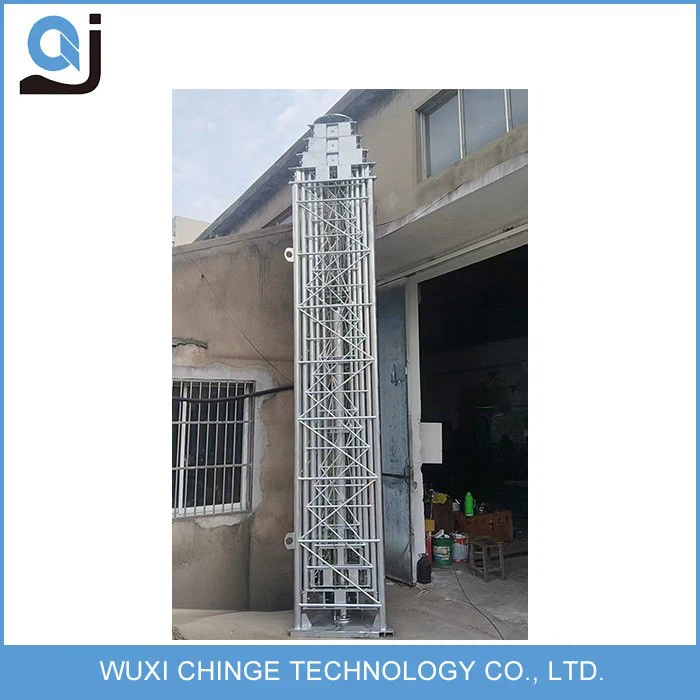
However, steel also has some drawbacks. It is relatively heavy, which can make transportation and installation more challenging and costly. Moreover, steel towers may require more maintenance over time, especially in areas with high humidity or exposure to corrosive substances.
Aluminum
Aluminum is another popular material for telescopic mobile towers. It is lightweight, which makes it easier to transport and install compared to steel. This is particularly advantageous in applications where the tower needs to be moved frequently or deployed in remote locations. Aluminum also has good corrosion resistance, especially in marine environments, due to the formation of a natural oxide layer on its surface.
In addition to its weight and corrosion resistance, aluminum is also a highly conductive material. This property makes it suitable for use in applications where electrical conductivity is required, such as in antenna towers. Aluminum towers can be designed to provide excellent electrical performance, ensuring efficient signal transmission and reception.

Despite its many advantages, aluminum has a lower strength-to-weight ratio compared to steel. This means that aluminum towers may require larger cross-sections or additional reinforcement to achieve the same level of strength as steel towers. As a result, aluminum towers may be more expensive to manufacture in some cases.
Composite Materials
Composite materials, such as fiberglass and carbon fiber, are increasingly being used in the construction of telescopic mobile towers. These materials offer a unique combination of high strength, low weight, and excellent corrosion resistance. Composite towers are often used in applications where weight is a critical factor, such as in aerospace and military applications.
Fiberglass is a popular composite material for telescopic mobile towers. It is made by combining glass fibers with a resin matrix, resulting in a material that is strong, lightweight, and resistant to corrosion. Fiberglass towers can be easily molded into complex shapes, allowing for customized designs to meet specific requirements. They are also non-conductive, which makes them suitable for use in areas where electrical interference is a concern.
Carbon fiber is another high-performance composite material that is used in the construction of telescopic mobile towers. It is known for its exceptional strength and stiffness, as well as its low weight. Carbon fiber towers can provide superior performance in terms of load-bearing capacity and resistance to wind and seismic forces. However, carbon fiber is more expensive than fiberglass and other materials, which may limit its use in some applications.
Impact of Tower Material on Performance
Structural Performance
The choice of tower material has a significant impact on the structural performance of a telescopic mobile tower. Steel towers, with their high strength and stiffness, are capable of supporting heavy loads and withstanding strong winds and seismic forces. They are often used in applications where the tower needs to be tall and stable, such as in telecommunications and broadcasting.
Aluminum towers, on the other hand, are lighter and more flexible than steel towers. While this can make them easier to transport and install, it also means that they may be more susceptible to deflection and vibration under load. However, with proper design and engineering, aluminum towers can still provide adequate structural performance for many applications.
Composite towers offer a unique combination of strength and lightweight properties. They can be designed to provide high load-bearing capacity while minimizing weight, making them ideal for applications where weight is a critical factor. Additionally, composite materials are resistant to corrosion and fatigue, which can help to extend the lifespan of the tower.
Electrical Performance
In applications where the telescopic mobile tower is used for signal transmission and reception, the choice of tower material can also affect the electrical performance. Steel towers are conductive, which means that they can interfere with radio signals if not properly grounded. However, steel towers can also be used to provide a conductive path for lightning protection, which is an important safety feature.
Aluminum towers are also conductive, but they have a lower electrical resistance than steel. This makes them more suitable for use in antenna towers, where efficient signal transmission and reception are essential. Additionally, aluminum towers can be designed to minimize electrical interference by using proper grounding and shielding techniques.
Composite towers, such as fiberglass and carbon fiber, are non-conductive, which makes them ideal for use in areas where electrical interference is a concern. They can be used to support antennas and other electrical equipment without introducing any additional interference. However, composite towers may require additional measures to ensure proper lightning protection, as they do not provide a conductive path for lightning currents.
Environmental Performance
The environmental performance of a telescopic mobile tower is also an important consideration. Steel towers, if not properly treated, can be susceptible to corrosion, which can lead to structural damage and reduced lifespan. However, with proper corrosion protection measures, such as galvanization and painting, steel towers can have a long service life in a variety of environmental conditions.
Aluminum towers have excellent corrosion resistance, especially in marine environments. They do not require the same level of corrosion protection as steel towers, which can reduce maintenance costs over time. Additionally, aluminum is a recyclable material, which makes it a more environmentally friendly choice compared to some other materials.
Composite towers are also highly resistant to corrosion and environmental degradation. They do not rust or rot, and they can withstand exposure to harsh chemicals and UV radiation. This makes them suitable for use in a wide range of environmental conditions, from coastal areas to deserts.
Conclusion
In conclusion, the choice of tower material has a significant impact on the performance of a telescopic mobile tower. Steel, aluminum, and composite materials each have their own unique properties and advantages, and the selection of the appropriate material depends on a variety of factors, including the specific application, load requirements, environmental conditions, and budget.
As a telescopic mobile tower supplier, we offer a wide range of tower options made from different materials to meet the diverse needs of our customers. Whether you need a Military Telescopic Tower for a military operation, a Self-Supporting Antenna Tower for a telecommunications network, or a Portable Signal Tower for a temporary installation, we can provide you with the right solution.
If you are interested in learning more about our telescopic mobile towers or would like to discuss your specific requirements, please contact us. Our team of experts will be happy to assist you in selecting the best tower material and design for your application.

References
- ASCE 10-97, Design of Latticed Steel Transmission Structures
- ASTM A123/A123M, Standard Specification for Zinc (Hot-Dip Galvanized) Coatings on Iron and Steel Products
- Aluminum Association, Aluminum Design Manual
- Composite Materials Handbook, Volume 1: Polymer Matrix Composites Guidelines for Characterization of Structural Materials