


What is the installation space required for a telescopic aerial mast?
As a supplier of telescopic aerial masts, I often encounter inquiries from customers about the installation space requirements. This is a crucial aspect that needs to be carefully considered before purchasing and installing a telescopic aerial mast. The installation space requirements are influenced by several factors, including the mast's height, diameter, and the type of deployment.
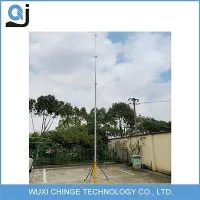
First and foremost, the height of the telescopic aerial mast is a primary determinant of the installation space. Telescopic masts come in various heights, ranging from a few meters to several tens of meters. When fully extended, the mast needs sufficient vertical space to reach its maximum height. For example, if you have a telescopic mast with a maximum extended height of 20 meters, you need to ensure that there are no overhead obstructions such as trees, buildings, or power lines within this vertical space. In addition to the vertical clearance, you also need to consider the space required during the extension and retraction process. Some masts may require additional vertical space during the initial stages of extension to allow the sections to unfold properly.
The diameter of the mast also plays a role in determining the installation space. A wider mast will require more horizontal space around it to ensure stability and prevent interference during operation. The base of the mast, in particular, needs to be placed on a flat and stable surface with enough room to accommodate the mast's footprint. For large - diameter masts, it is essential to mark out the installation area in advance to guarantee that there is no encroachment by other objects or structures.
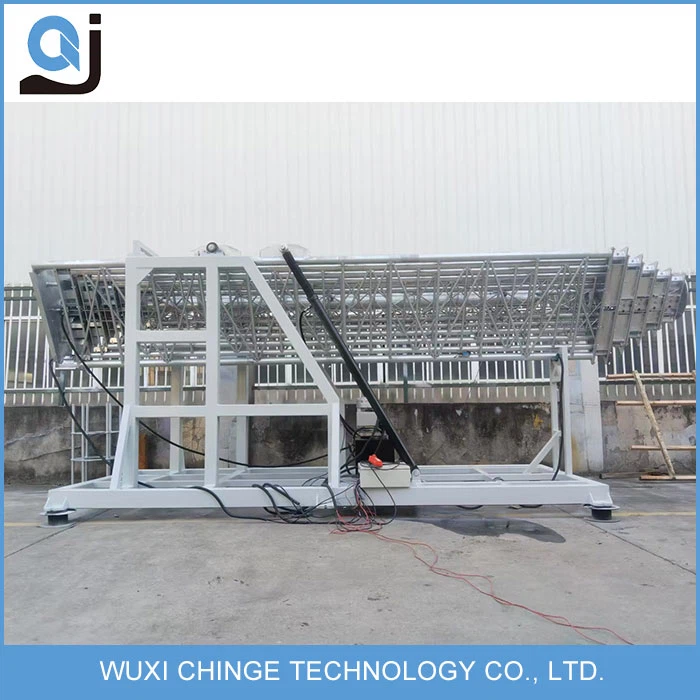

The type of deployment of the telescopic aerial mast can also affect the installation space requirements. There are different deployment methods, such as manual, mechanical, and hydraulic. Mechanical telescopic masts, for instance, may require additional space for the mechanical components and the operation of the extension mechanism. You can learn more about Mechanical Telescopic Mast to understand their specific space - related features. These masts often have gears, pulleys, or other moving parts that need to be housed and operated without interference.
In some cases, the telescopic aerial mast may be installed on a mobile platform, such as a vehicle or a trailer. When it is used in a mobile setup like China COW Cell On Wheels, the installation space is limited by the size of the platform. The mast needs to be positioned in a way that it does not exceed the vehicle's dimensions when retracted, and there should be enough space for the mast to extend safely without hitting any part of the vehicle or other objects around it.
Another type of telescopic mast is the telescopic lighting mast. Telescopic Lighting Mast is often used in outdoor lighting applications, such as construction sites, events, and parking lots. For these masts, in addition to the vertical and horizontal space for the mast itself, you also need to consider the space for the lighting fixtures and the wiring. The lighting fixtures may extend beyond the diameter of the mast, and the wiring needs to be routed in a way that does not create tripping hazards or interference with other equipment.
When planning the installation space, it is also important to consider access for maintenance and repair. There should be enough space around the mast to allow technicians to reach all parts of the mast easily. This includes access to the base, the joints between the sections, and the control mechanisms. Adequate space for tools and equipment storage during maintenance is also necessary.
To accurately determine the installation space required for a telescopic aerial mast, it is recommended to consult the product specifications provided by the manufacturer. These specifications usually include detailed information about the mast's dimensions, both in the retracted and extended states, as well as the recommended clearance distances. You can also work with a professional engineer or installer who has experience with telescopic masts. They can assess the specific site conditions and provide more accurate estimates of the required installation space.
In summary, the installation space required for a telescopic aerial mast depends on multiple factors, including the mast's height, diameter, deployment method, and the application. As a supplier, we are committed to providing our customers with all the necessary information to help them make informed decisions about the installation space. We understand that getting the installation space right is essential for the proper functioning and safety of the telescopic aerial mast.
If you are interested in purchasing a telescopic aerial mast and need more detailed information about the installation space requirements or any other aspects of our products, please feel free to reach out to us. Our team of experts is ready to assist you in selecting the right mast for your needs and providing guidance on the installation process. We look forward to discussing how we can meet your telescopic aerial mast requirements and help you achieve your project goals.
References
- Product manuals of telescopic aerial masts
- Industry standards and guidelines for mast installation