




Shear strength is a critical mechanical property when it comes to the design, performance, and safety of various structures, including push up antenna masts. As a leading supplier of push up antenna masts, understanding the shear strength of these essential components is crucial for both us and our customers. In this blog post, we will delve into the concept of shear strength, how it applies to push up antenna masts, and why it matters in real - world applications.
What is Shear Strength?
Shear strength refers to the maximum amount of shear stress that a material can withstand before it fails. Shear stress occurs when two parallel forces act in opposite directions on an object, causing one part of the object to slide or deform relative to another part. In simple terms, it is like cutting a piece of paper with scissors; the blades of the scissors apply a shear force that causes the paper to separate along the line of the cut.
Mathematically, shear stress (τ) is calculated as the force (F) applied parallel to the cross - sectional area (A) of the material, i.e., τ = F/A. The shear strength is the value of this shear stress at which the material starts to fracture or experience significant deformation.
Shear Strength in Push Up Antenna Masts
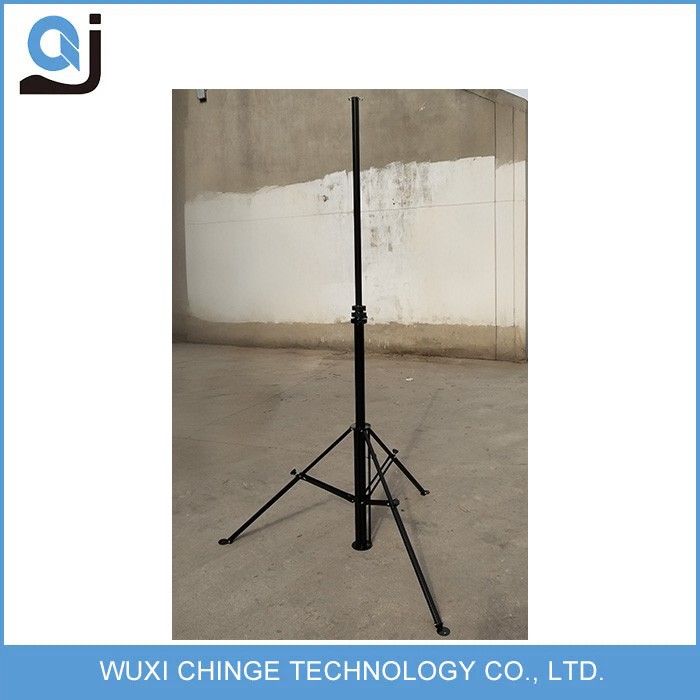
Push up antenna masts, such as our Antenna Push Up Pole, are used to elevate antennas to a desired height for better signal reception and transmission. These masts are often exposed to various external forces that can induce shear stress.
Wind Loads
One of the primary sources of shear stress in push up antenna masts is wind. As the wind blows against the mast, it creates a lateral force. This lateral force can cause the mast to bend and experience shear stress, especially at the base and at points where the mast sections are joined. For taller masts like our 30ft Hand Push Up Antenna Mast, the wind load can be substantial, and the shear strength becomes a critical factor in ensuring the mast's stability.
Installation and Handling
During the installation and handling of push up antenna masts, improper techniques can also subject the mast to shear forces. For example, if the mast is not erected vertically or if it is accidentally bumped or jolted during installation, shear stress can be induced at the joints or along the length of the mast.
Vibration
Antenna masts can also experience vibration due to factors such as wind gusts, nearby machinery, or even the movement of the antenna itself. These vibrations can cause cyclic shear stress, which over time can lead to fatigue failure if the shear strength of the mast material is not sufficient.
Factors Affecting the Shear Strength of Push Up Antenna Masts
Material Properties
The material from which the push up antenna mast is made plays a significant role in determining its shear strength. Common materials used for antenna masts include aluminum, steel, and fiberglass. Aluminum is lightweight and corrosion - resistant, but its shear strength is relatively lower compared to steel. Steel, on the other hand, has high shear strength but is heavier and more prone to corrosion if not properly coated. Fiberglass offers a good balance of strength, light weight, and corrosion resistance, and its shear strength can be tailored through the manufacturing process.
Mast Design
The design of the push up antenna mast also affects its shear strength. The shape of the mast cross - section, the thickness of the walls, and the design of the joints all contribute to the overall shear resistance. For example, a mast with a larger cross - sectional area will generally have a higher shear strength because it can distribute the shear forces over a larger area. Additionally, well - designed joints that provide a strong connection between mast sections can help to transfer shear forces effectively and prevent failure at the joints.
Manufacturing Quality
The quality of the manufacturing process can have a significant impact on the shear strength of the push up antenna mast. Imperfections such as cracks, voids, or improper welding (in the case of steel masts) can reduce the shear strength of the material. At our company, we adhere to strict manufacturing standards to ensure that our Electric Telescoping Mast and other push up antenna masts have consistent and reliable shear strength.
Importance of Shear Strength in Push Up Antenna Masts
Safety
The most important reason for considering shear strength in push up antenna masts is safety. A mast with insufficient shear strength can fail under normal operating conditions, which can lead to the antenna falling and causing damage to property or injury to people. By ensuring that our masts have adequate shear strength, we are providing our customers with a safe and reliable product.
Performance
Shear strength also affects the performance of the antenna mast. A mast that can withstand higher shear forces is less likely to deform or bend, which means that the antenna will remain in the desired position for optimal signal reception and transmission. This is especially important for applications where a stable antenna position is critical, such as in telecommunications or military operations.
Longevity
Masts with sufficient shear strength are more likely to have a longer service life. By resisting shear stress, the mast is less prone to fatigue failure and other forms of damage, which can extend its useful life and reduce the need for frequent replacements.
Testing and Assurance of Shear Strength
To ensure that our push up antenna masts meet the required shear strength standards, we conduct a series of tests. These tests include laboratory testing of material samples to determine the basic shear strength properties of the materials used. We also perform full - scale testing of the masts under simulated real - world conditions, such as applying wind loads and vibration to the mast to measure its response.
In addition to testing, we also work closely with our customers to understand their specific requirements and provide them with the most suitable push up antenna mast. We consider factors such as the installation location, the expected environmental conditions, and the type of antenna to be mounted when recommending a mast with the appropriate shear strength.

Conclusion
In conclusion, the shear strength of a push up antenna mast is a crucial factor that affects its safety, performance, and longevity. As a supplier of high - quality push up antenna masts, we are committed to providing our customers with products that have adequate shear strength to meet their needs. Whether you are looking for a Antenna Push Up Pole, a 30ft Hand Push Up Antenna Mast, or an Electric Telescoping Mast, we have the expertise and the products to ensure that your antenna is elevated safely and effectively.
If you are interested in learning more about our push up antenna masts or have specific requirements for your project, we invite you to contact us for a detailed discussion. Our team of experts is ready to assist you in selecting the right product and answering any questions you may have.
References
- Budynas, R. G., & Nisbett, J. K. (2011). Shigley's Mechanical Engineering Design. McGraw - Hill.
- Ugural, A. C., & Fenster, S. K. (2012). Advanced Strength and Applied Elasticity. Pearson.